
Okra Pods Tough: Picking Size plus Timing
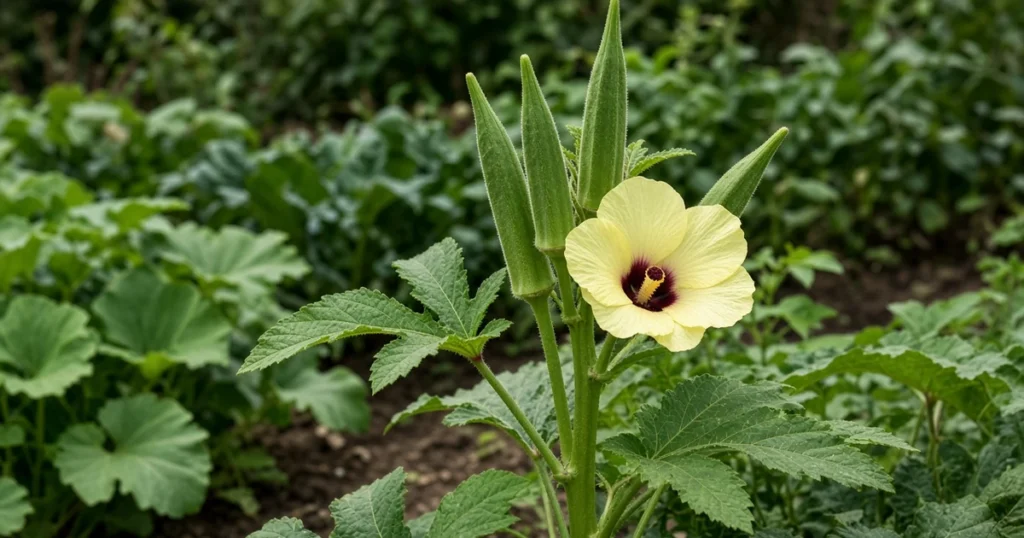
Okra pods tough enough to resist a knife have usually stayed on the plant too long. Clemson Cooperative Extension notes larger pods are tougher plus more fibrous, while 2 to 3 inch pods are still tender.
The short answer
Clemson Extension advises harvesting okra when pods are 2 to 3 inches long plus at least every two days, since okra grows very quickly. UF/IFAS notes pods become too tough to eat if they mature on the plant plus you may need to pick daily at peak season.
Why are my okra pods woody?
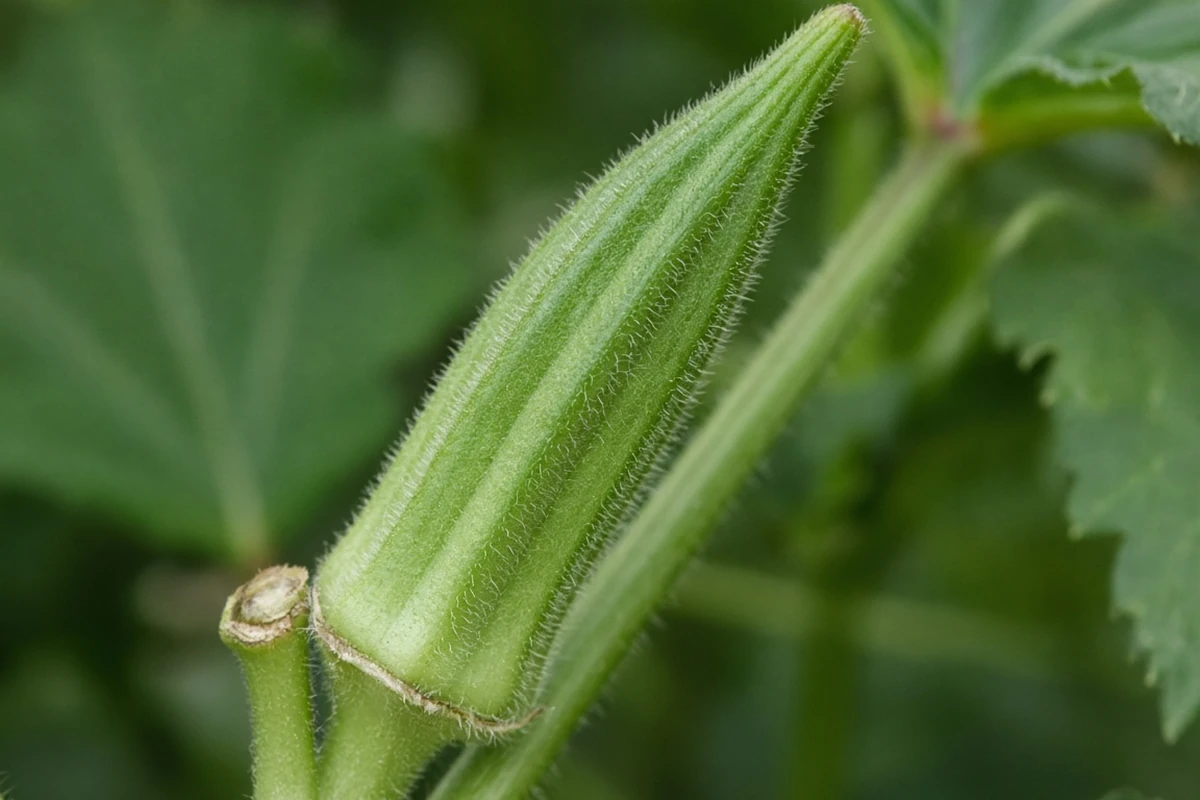
They grew too big. Clemson notes larger pods are tougher plus more fibrous. UF/IFAS notes pods get too tough to eat once they mature on the plant. Round podded varieties stay tender at larger sizes, per Clemson.
| Factor | Guide | Source |
|---|---|---|
| Pod length to pick | 2 to 3 inches | Clemson plus UF/IFAS |
| Picking interval | At least every two days | Clemson |
| Peak season | Pick daily | UF/IFAS |
| Days to harvest | About 60 to 70 days after planting | Clemson |
| Water | 1.5 to 2 inches every 7 to 10 days | Utah State |
Source: Clemson, UF/IFAS plus Utah State Extension.
What size should okra be picked?
Pick pods at 2 to 3 inches, per Clemson plus UF/IFAS. NC State Extension notes pods can be harvested at about 3 inches. Utah State notes pods can grow 3 to 12 inches long, so size alone can mislead with big varieties.
How often should okra be harvested?
Clemson advises harvesting at least every two days. UF/IFAS advises harvesting early plus often, daily at peak season. Clemson notes plants can bear for up to twelve weeks when watered, fed plus picked promptly.
How to: step by step
- Check plants every day in warm weather.
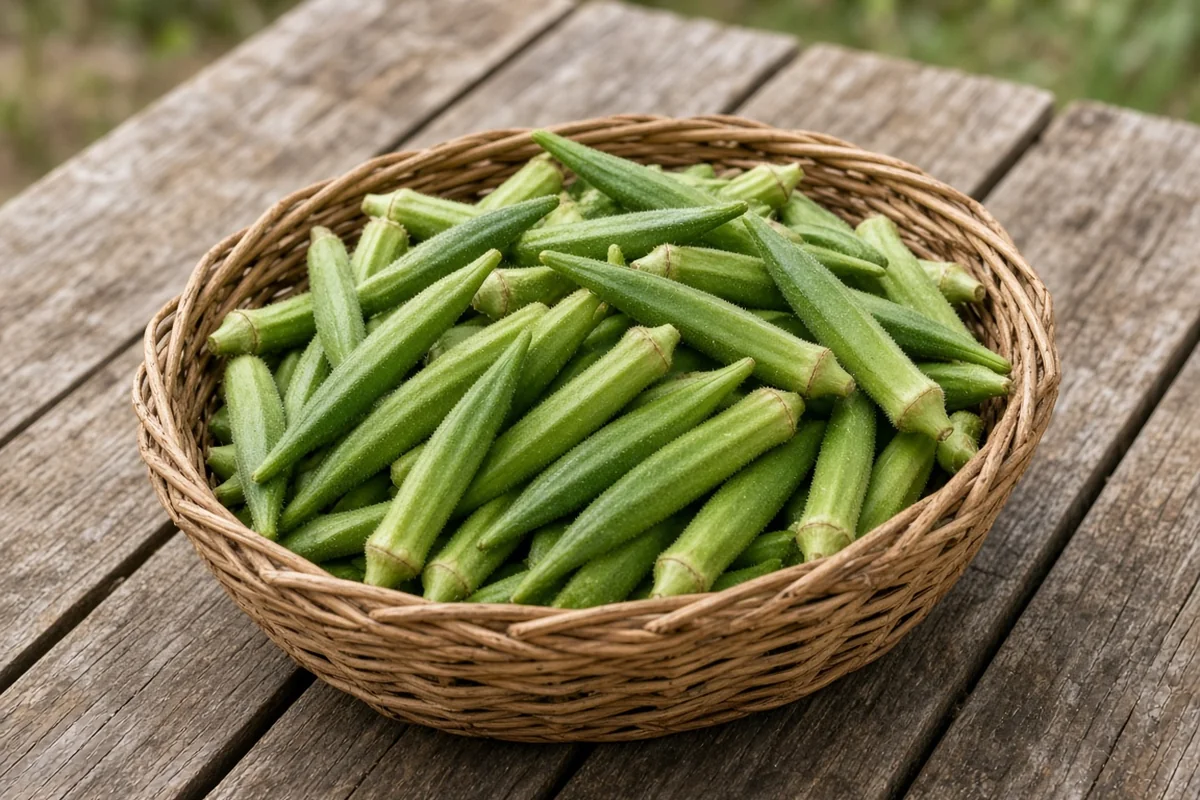
- Pick pods at 2 to 3 inches long.
- Cut stems with clean pruners or a sharp knife.
- Remove oversized pods you missed.
- Water deeply during dry spells.
- Pick often through the season.
Troubleshooting
Pods hard to cut: overgrown. Pick sooner.
Few new pods in midsummer: Clemson notes production may slow in the hot, dry peak of summer. Clemson describes cutting plants back (ratooning) from mid July to mid August.
Pods small plus tough: dry soil. UF/IFAS notes okra is more productive when well watered.
Lots of leaves, few pods: Clemson advises avoiding extra nitrogen on vigorous plants until fruiting begins.
For more on plant stress see the effects of environmental stresses on weed plants plus underwatering cannabis. Read what roles do bees play in outdoor cannabis. Kind Seed Co also stocks cannabis seeds.
Sources
- How to grow okra in South Carolina, Clemson Cooperative Extension HGIC
- Okra in the garden, Utah State University Extension
- Okra, UF/IFAS Gardening Solutions
- Abelmoschus esculentus (okra), NC State Extension Gardener Plant Toolbox
FAQ
Can tough okra pods be used?
The sources do not cover cooking tough pods. UF/IFAS notes pods become too tough to eat once they mature on the plant. Clemson notes you can leave pods on the plant to dry if you want to save seed for next year, so oversized pods still have a use.
Does okra variety affect tenderness?
Yes. Clemson Extension notes round podded okra varieties remain tender even at larger pod sizes. Utah State notes pods range from 3 to 12 inches long plus come in round, smooth or ridged shapes. Check the seed packet for the ideal picking size of your variety.
How many days until okra is ready?
Clemson Extension notes harvest begins about 60 to 70 days after planting. UF/IFAS gives 50 to 70 days depending on the cultivar plus notes harvest follows within a few days once okra starts to bloom. Check plants daily once the first flowers open.
How long does okra produce pods?
Clemson Extension notes okra can be harvested for up to twelve weeks when properly watered, fed plus picked promptly. If production slows in peak summer heat, Clemson notes cutting plants back from mid July to mid August can bring renewed pods in 4 to 6 weeks until first frost.
How much water does okra need?
Utah State University Extension advises 1.5 to 2 inches of water every 7 to 10 days for maximum yields. UF/IFAS notes okra is drought tolerant but more productive when well watered. Water deeply during dry spells so the plant can hold steady pod growth.



