
Backyard Wildlife Corridors: Connecting Yards With Hedges and Gaps
The short answer
A wildlife corridor is a connected path of plants and cover that lets birds, insects and small animals move between green spaces. In a backyard, that means hedges, layered planting and small gaps in fences that link your yard to neighbors. Several yards working together give wildlife more room to feed, nest and travel than any single yard can.
One yard is a patch. A row of connected yards is habitat.
What is a wildlife corridor?
Animals need food, water, cover and places to raise young. Few yards hold it all. A corridor connects patches so animals can reach what they need without crossing wide open lawns, roads or bare ground.
The UF IFAS Extension top ten tips for backyards for wildlife stresses planning with your neighbors in mind. Connecting your plantings to natural areas, greenbelts or neighboring yards makes each one more useful to wildlife.
| Feature | What it gives wildlife | How to add it |
|---|---|---|
| Hedgerow | Cover, nesting, berries | Plant mixed native shrubs along a boundary |
| Layered planting | Shelter at many heights | Combine trees, shrubs, perennials and groundcover |
| Fence gap | Passage for small animals | Leave a small opening at ground level |
| Water | Drinking and bathing | Shallow birdbath or small pond |
| Leaf litter and logs | Food and shelter for insects and amphibians | Leave some under shrubs |
| Native flowers | Nectar and seeds | Plant for bloom across seasons |
Sources: UF IFAS Extension, MU Extension, Mississippi State University Extension.
Why do connections matter?
Small animals face risks when they cross open ground. A songbird moving between shrubs is exposed to hawks. A toad crossing a lawn may dry out. Continuous cover lets them move with less exposure.
The MU Extension guide on improving habitats for wildlife in your backyard and neighborhood suggests working with neighbors to create larger habitats, since many species need more space than one yard can give. Edges where shrubs meet open areas are rich.
Pollinators benefit too. Bees, butterflies and other pollinators benefit from a mix of food plants in the right places. Our post on what roles bees play in outdoor cannabis covers why pollinators matter in a garden.
How do you build a corridor in your yard?
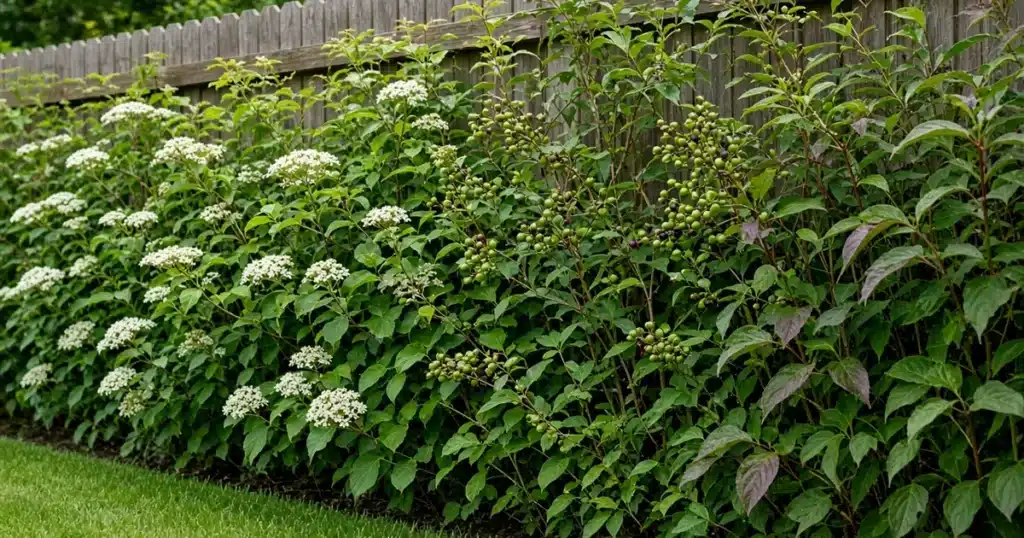
Start along property lines. A mixed hedge of native shrubs gives cover and food and links naturally to the next yard. Pick a mix of shrubs that flower in spring, fruit in summer or fall and hold berries into winter.
Add layers. The Mississippi State University Extension publication on establishing a backyard wildlife habitat recommends planting at several heights, from tall trees to shrubs, perennials and groundcover. Each layer houses different animals.
Shrink the lawn. Replace strips of grass between planted areas with beds so cover runs continuously.
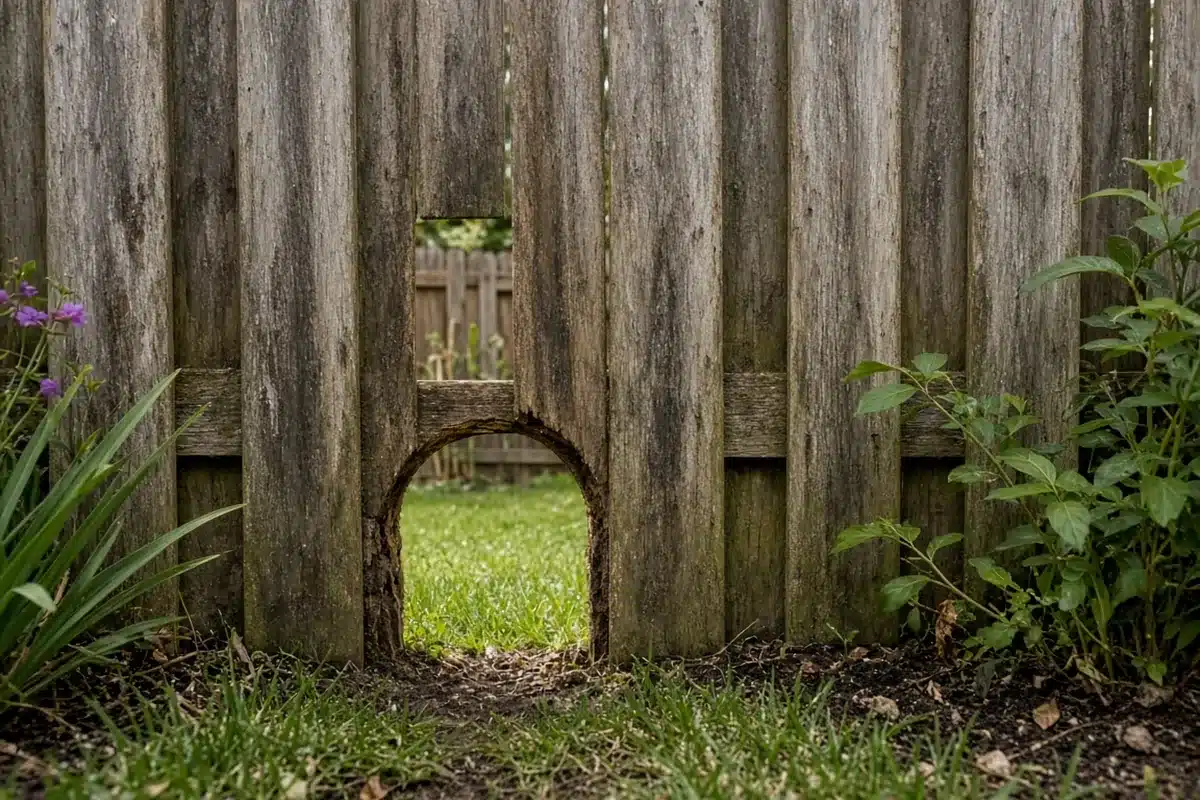
Leave fence gaps. A small opening at the base of a solid fence lets small animals such as toads and chipmunks pass through.
Our post on garden microclimates for cannabis explains how hedges and walls shift sun and shelter, which helps you plan plantings.
How do you work with neighbors?
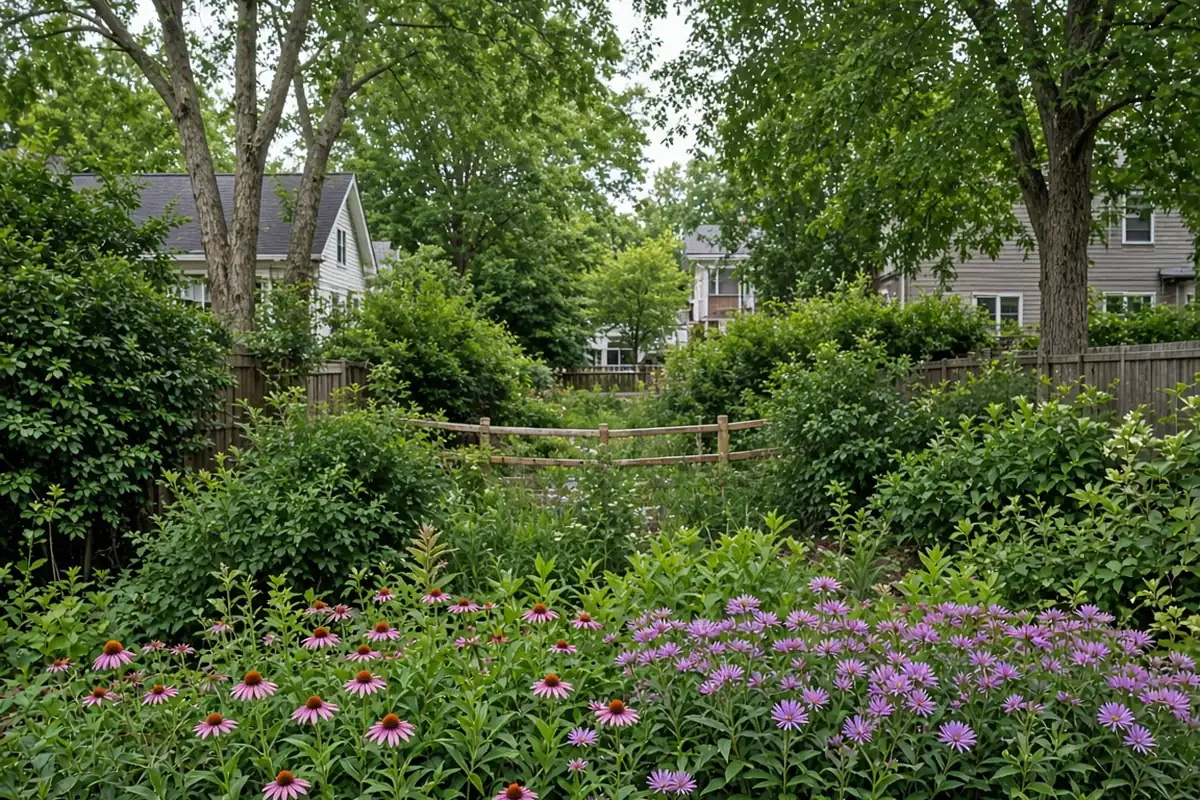
Share what you’re doing. Neighbors may be glad to extend a hedge or add native shrubs along a shared line. Local wildlife groups and extension offices often run backyard habitat programs that help neighborhoods plan together.
Even if neighbors don’t join in, linking your yard to a nearby park, creek or wooded strip still helps.
What about birds in the garden?
More cover brings more birds, which eat many insects. Some birds also eat seeds and fruit you want. Our post on birds and cannabis symptoms and solutions covers ways to share a garden with birds.
How to: step by step
- Map green spaces around your yard and note gaps.
- Plant a mixed native hedge along a shared boundary.
- Add layers from trees to groundcover.
- Replace strips of lawn with planted beds.
- Leave small gaps at the base of solid fences.
- Add water and leave some leaf litter and logs.
Troubleshooting
Few birds visit. Cover is thin. Add dense shrubs.
Animals stop at the fence. There’s no passage. Leave a small opening at ground level.
Hedge looks bare in winter. Add evergreens and shrubs that hold berries.
Few pollinators. Plant natives that bloom across seasons.
Neighbors are unsure. Share plant lists and start with your own side.
Linked yards give wildlife room to move. Kind Seed Co shares more garden ideas in outdoor growing.
Sources
- Improving habitats for wildlife in your backyard and neighborhood (G9500), MU Extension, Improving habitats for wildlife in your backyard and neighborhood (G9500)
- Establishing a backyard wildlife habitat (P2402), Mississippi State University Extension, Establishing a backyard wildlife habitat (P2402)
- Backyards for wildlife: top ten tips (CIR 1429), UF IFAS Extension, Backyards for wildlife
FAQ
How wide should a hedge corridor be?
Even a single row helps, and wider gives more cover.
Do fence gaps let in pests?
A small gap suits small wildlife and rarely causes trouble.
Do I need my neighbors to join?
No, but linked yards help more.
What plants work well?
Mixed native shrubs, trees and flowers.
Should I rake all my leaves?
Leave some under shrubs for insects and toads.


