
Basil Leaves Curling: Aphids, Water and Sun
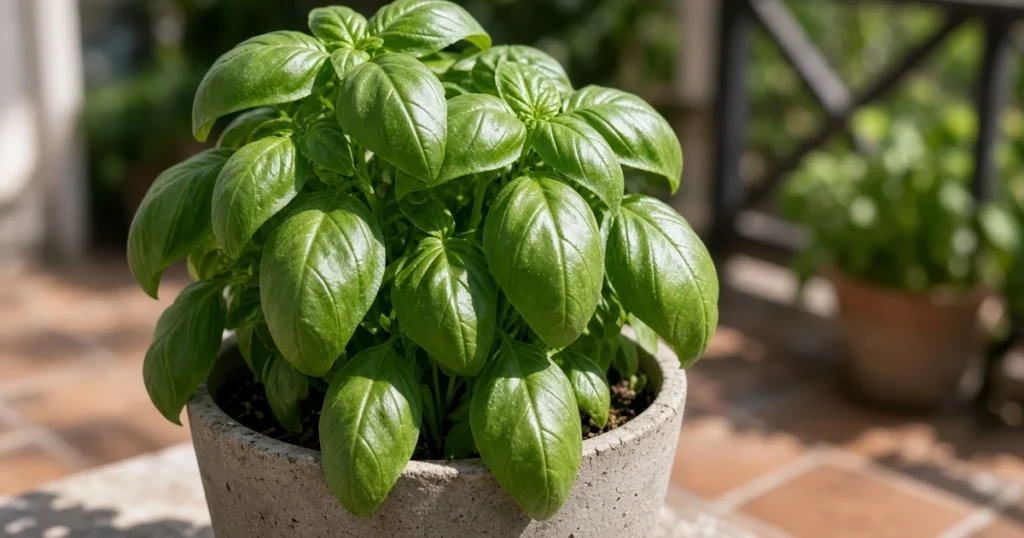
Basil leaves curling often signals aphids feeding on soft new growth. The University of Minnesota Extension lists twisted and curled leaves among the signs of severe aphid feeding, along with yellow leaves and poor growth. NC State Extension names aphids as an occasional insect problem on basil.
The short answer
Turn curled basil leaves over and look for aphids first. Minnesota Extension links twisted, curled leaves to heavy aphid feeding. Next check for downy mildew, which yellows leaves and leaves gray fuzz underneath. Then cover the basics: six or more hours of sun and moist soil that drains well.
Why do basil leaves curl?
Aphids suck sap from tender shoots. Minnesota says heavy feeding twists and curls leaves and stunts shoots. It also notes that some plant viruses cause leaves to mottle, yellow or curl. For how plant stress builds up in a garden, see the effects of environmental stresses on weed plants. Learn how aphids look on another crop in aphids on cannabis leaves.
How can you tell aphids from mildew?
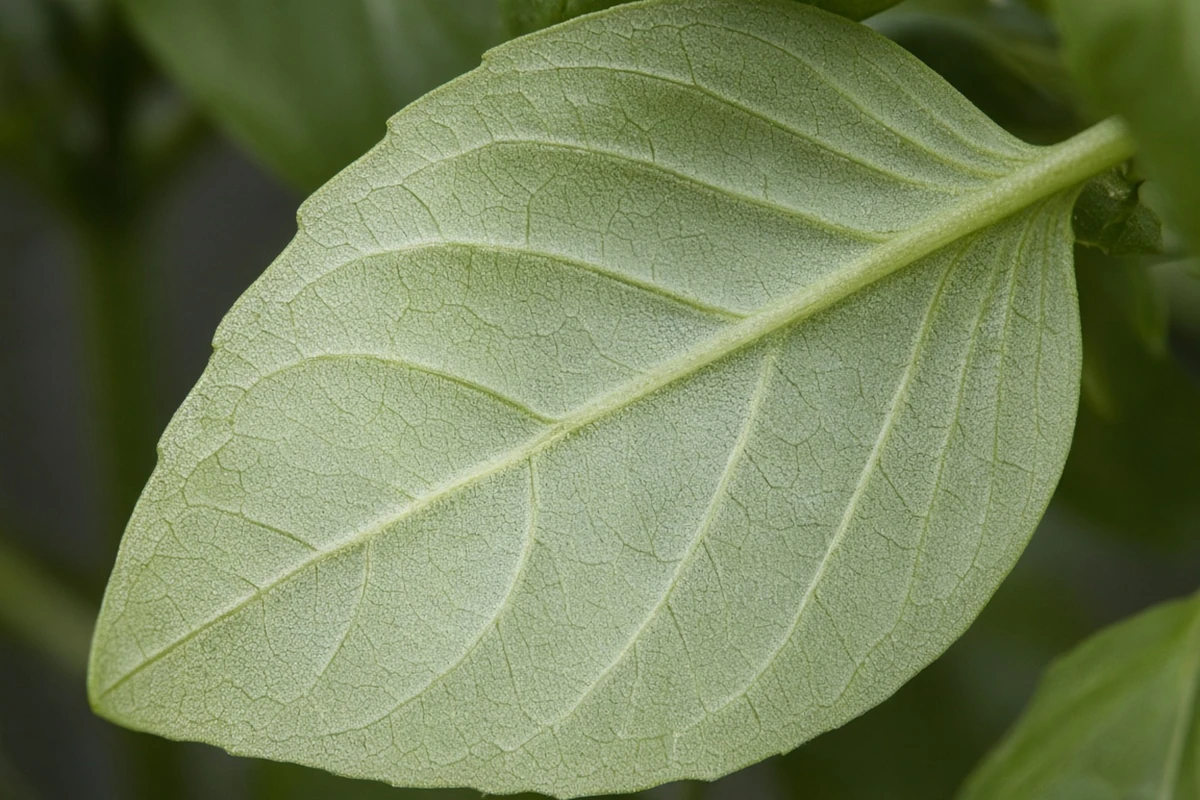
Basil downy mildew looks different. Minnesota says it causes pale yellow areas on the upper leaf with velvety gray fuzz on the underside. It starts on lower leaves and moves up. Aphids cluster on tender tips and stems. Maryland Extension suggests resistant cultivars where possible, and NC State lists several downy mildew resistant types such as Prospera.
How do water and sun affect basil?
Minnesota says basil needs at least six to eight hours of bright light a day and well drained soil. Water deeply every seven to ten days based on rain. Pots need water more often. Maryland asks for soil that is moist but well drained. A two to three inch mulch holds moisture, per Minnesota. Read about water stress in underwatering cannabis and heat in cannabis heat stress.
| Check | What to look for | Source |
|---|---|---|
| Curled tips | Aphids on new growth | Minnesota Extension |
| Yellow leaf, gray fuzz below | Downy mildew | Minnesota Extension |
| Sun | 6 to 8 hours | Minnesota Extension |
| Water | Deeply every 7 to 10 days | Minnesota Extension |
| Soil | Moist but well drained | Maryland Extension |
How to: step by step
- Turn over curled leaves and look for aphids.
- Look for gray fuzz under yellow leaves.
- Pinch off badly curled tips.
- Water deeply every seven to ten days in beds.
- Mulch two to three inches deep.
Troubleshooting
Curl on new tips only: aphids are the usual cause.
Yellow lower leaves with fuzz: downy mildew. Sow resistant seed next time.
Pots dry out fast: water containers more often.
Flat leaves again
Find the aphids, check for mildew and give basil sun and steady water. Kind Seed Co shares more notes for growers who grow herbs next to cannabis.
Sources
- Growing basil, University of Minnesota Extension
- Basil, University of Maryland Extension
- Ocimum basilicum (basil), NC State Extension Gardener Plant Toolbox
- Basil downy mildew, University of Minnesota Extension
- Aphids in home yards and gardens, University of Minnesota Extension
FAQ
Do aphids cause curling?
Yes. Minnesota Extension lists twisted and curled leaves as a sign of severe aphid feeding.
How often should basil be watered?
Minnesota says to water deeply every seven to ten days based on rain. Containers need water more often.
Does basil like full sun?
Yes. Maryland Extension says basil wants 6 or more hours of direct sun daily in summer.
What does downy mildew look like?
Minnesota describes pale yellow areas on top of the leaf and velvety gray fuzz underneath.
Should I pinch basil?
Maryland says to pinch stems as they lengthen for bushy, compact growth.



