
Bean Leaves Curling: Aphids, Water and Other Causes
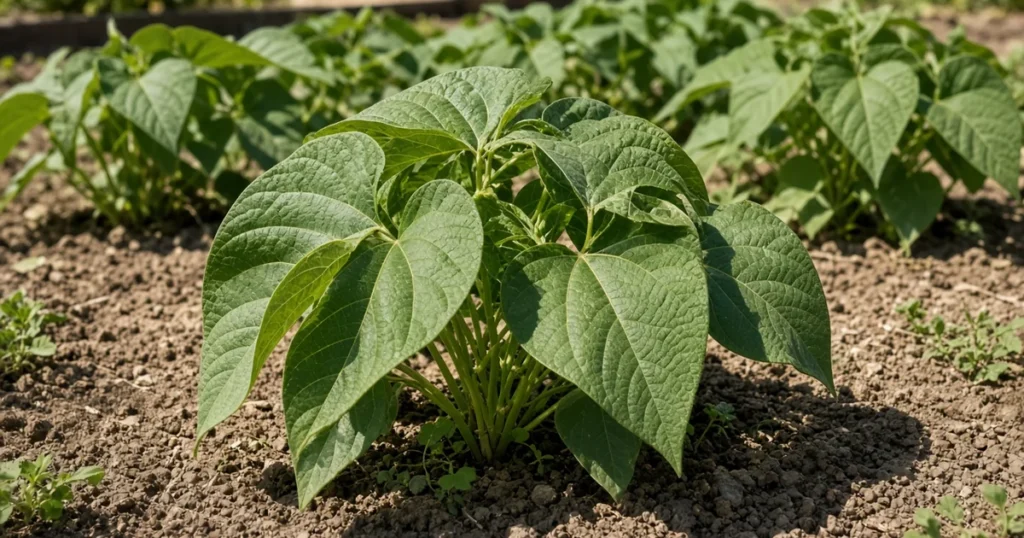
Bean leaves curling often trace back to aphids or the viruses they carry. University of Minnesota Extension lists twisted and curled leaves among the signs of severe aphid feeding. It names cucumber mosaic virus among the viruses aphids carry and says viruses can mottle, yellow or curl leaves. Look under the leaves first.
The short answer
Turn curled bean leaves over and look for aphids. A firm spray of water from a hose can knock them off. If leaves are mottled and curled with no insects, a virus is likely, so remove the plant. Water beans about one inch a week, especially during flowering, when heat stress hits hardest.
Why do bean leaves curl?
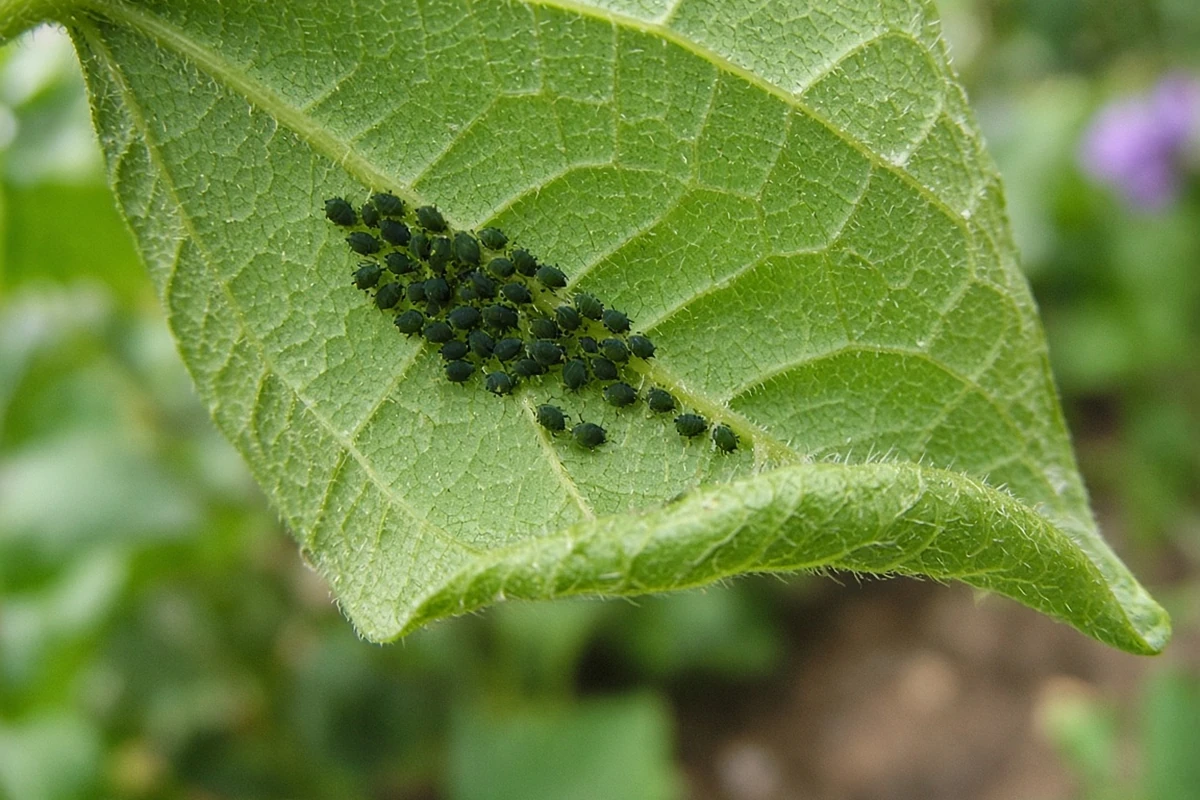
Minnesota Extension says severe aphid feeding gives twisted and curled leaves, yellowed foliage and stunted shoots. Aphids can also carry plant viruses, including cucumber mosaic virus, which can mottle, yellow or curl leaves. More on leaf curl is in plant leaves curling upwards. Wider stress signs are in environmental stresses on weed plants.
How do you check beans for aphids?
Look under the leaves and along new growth. Minnesota Extension describes aphids as small, pear shaped, soft bodied insects. It says a firm spray from a garden hose can knock them off, and to spray both sides of leaves. More pest ideas are in pest control ideas for cannabis.
| Sign | Likely cause | What helps |
|---|---|---|
| Curl with insects underneath | Aphids | Hose spray |
| Mottled, curled leaves | Virus | Remove the plant |
| Short, twisted pods | Heat during flowering | Steady soil moisture |
| Few pods in a heat wave | Heat | Wait for cooler weather |
Sources: University of Minnesota Extension, University of Delaware, Iowa State University Extension.
How does heat affect beans?
The University of Delaware says high temperatures during flowering interfere with pollen and can lead to short, twisted, lumpy pods. Nights of about 70°F or more are the main problem. Delaware explains that plants cool themselves by evaporating water through pores in their leaves. Under drought those pores close and leaf temperatures rise. It advises steady soil moisture during flowering. Iowa State Extension says beans need about one inch of water per week, especially during bloom. See underwatering cannabis for dry soil signs.
How to: step by step
- Check soil moisture a few inches down.
- Turn leaves over and look for insects.
- Spray aphids off with a hose.
- Water about one inch a week.
- Water steadily through flowering.
- Remove plants with mottled, stunted leaves.
Troubleshooting
Curl with insects: aphids. Spray them off and look again.
Mottled, puckered leaves: possible virus. Remove the plant.
Twisted pods after hot nights: heat during flowering.
Kind Seed Co shares these garden notes for growers of all kinds.
Sources
- Growing beans in home gardens, University of Minnesota Extension
- All about beans, Iowa State University Extension
- Managing heat stress in lima and snap beans, University of Delaware Weekly Crop Update
- Aphids in home yards and gardens, University of Minnesota Extension
FAQ
Do curled leaves hurt bean yields?
Minnesota Extension says severe aphid feeding can stunt shoots and slow plant growth. Viruses spread by aphids can also stunt plants.
Does heat cut bean yields?
The University of Delaware says hot nights of about 70°F or more during flowering reduce pollen quality and lead to short, twisted pods.
Do pole and bush beans react the same?
No. Minnesota Extension says pole beans may skip only a few pods in extreme heat and then produce more. Bush beans have a shorter period of flowering and pod set.
How do I get aphids off beans?
Minnesota Extension says a firm spray of water from a garden hose knocks aphids off. Spray the underside of leaves as well as the top.
How warm should soil be for sowing beans?
Iowa State Extension says most beans need a soil temperature of at least 65°F.



