
Broccoli Leaves Purple: Cold, Phosphorus or Variety?
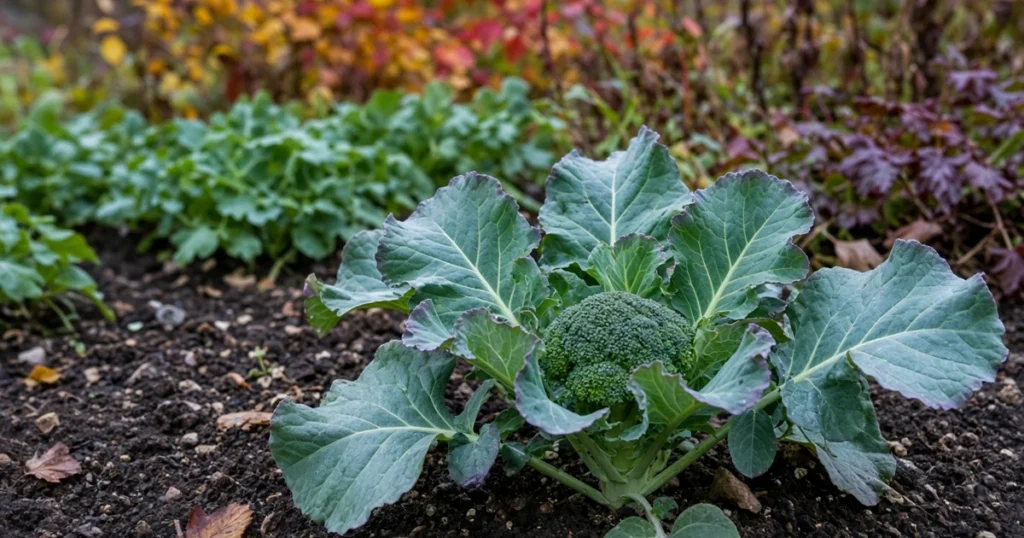
Broccoli leaves purple after a cold spell are common in spring and fall gardens. The University of Kentucky says cold injury on cole crops can show as purple leaves, because plants make more of the pigments called anthocyanins at low temperatures. Cold soil can also slow phosphorus uptake, which gives a similar color.
The short answer
Purple broccoli leaves after cool nights are usually a cold response. Kentucky Extension links the color to extra anthocyanins made in cold weather. Cold soil can also limit phosphorus uptake. Wait for warmer weather before adding fertilizer, and send a soil sample if the color stays.
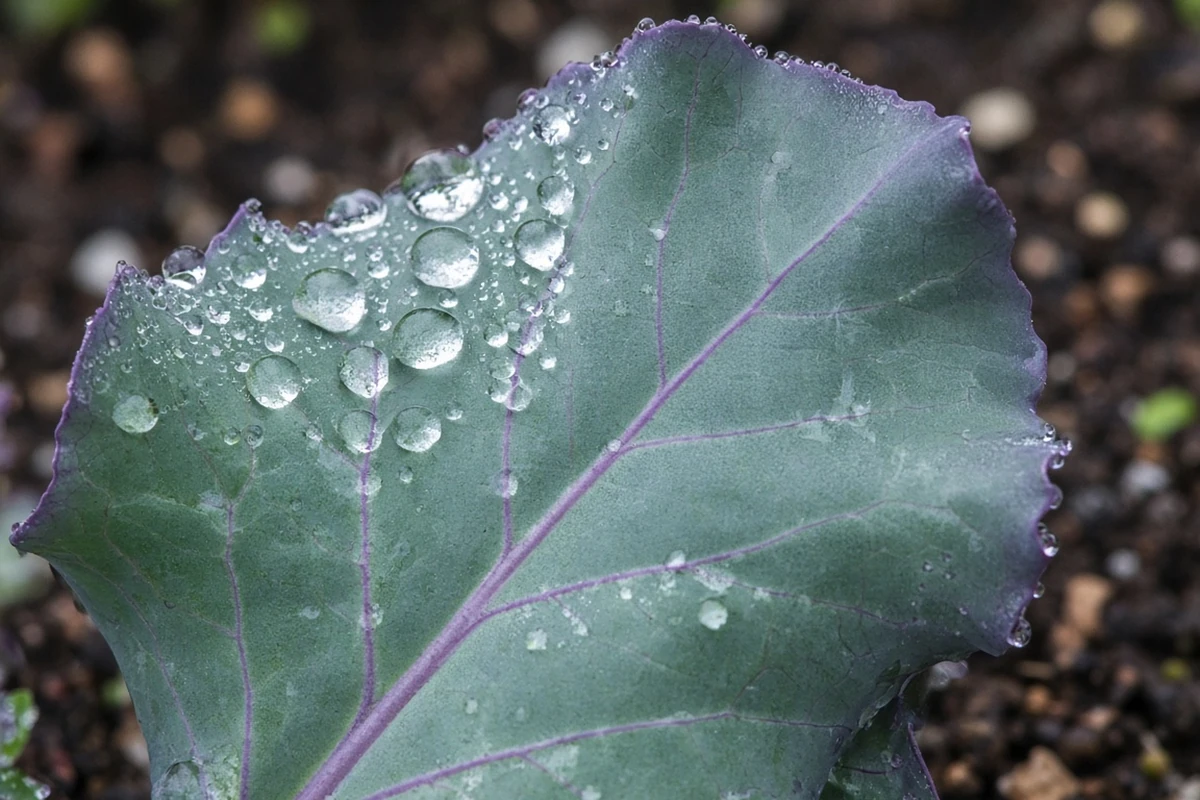
Why do broccoli leaves turn purple?
Cold is the usual trigger. University of Kentucky Extension says cole crops are fairly cold tolerant but that cold injury can appear as a purpling of leaves. Iowa State Extension says cole crops grow well at 60 to 70°F and handle light frosts. University of Minnesota Extension notes that some broccoli varieties are purple when raw. Frost tips are in frost damage on cannabis.
Is purple broccoli a phosphorus problem?
Sometimes. UMass Extension describes purple leaf veins and tissue as the main sign of phosphorus shortage in tomatoes, showing first on the oldest leaves. It says the most common cause is early cold soil, since roots grow slowly in the cold. It adds that soil pH below 6 makes phosphorus less available. Minnesota Extension says many Minnesota soils already have enough phosphorus. It advises a low or no phosphorus fertilizer unless a soil report calls for more. More on soil inputs is in soil amendments vs fertilizers.
| Sign | Likely cause | What to do |
|---|---|---|
| Purple after cold nights | Cold response | Wait for warmer weather |
| Purple on oldest leaves, slow growth | Low phosphorus uptake | Check soil pH and nutrients |
| Purple from the start | Variety color | No action needed |
| Small early heads | Buttoning from cold or stress | Plant younger transplants |
Sources: University of Kentucky Extension, UMass Amherst Extension, University of Minnesota Extension, Iowa State University Extension.
When should you worry about purple leaves?
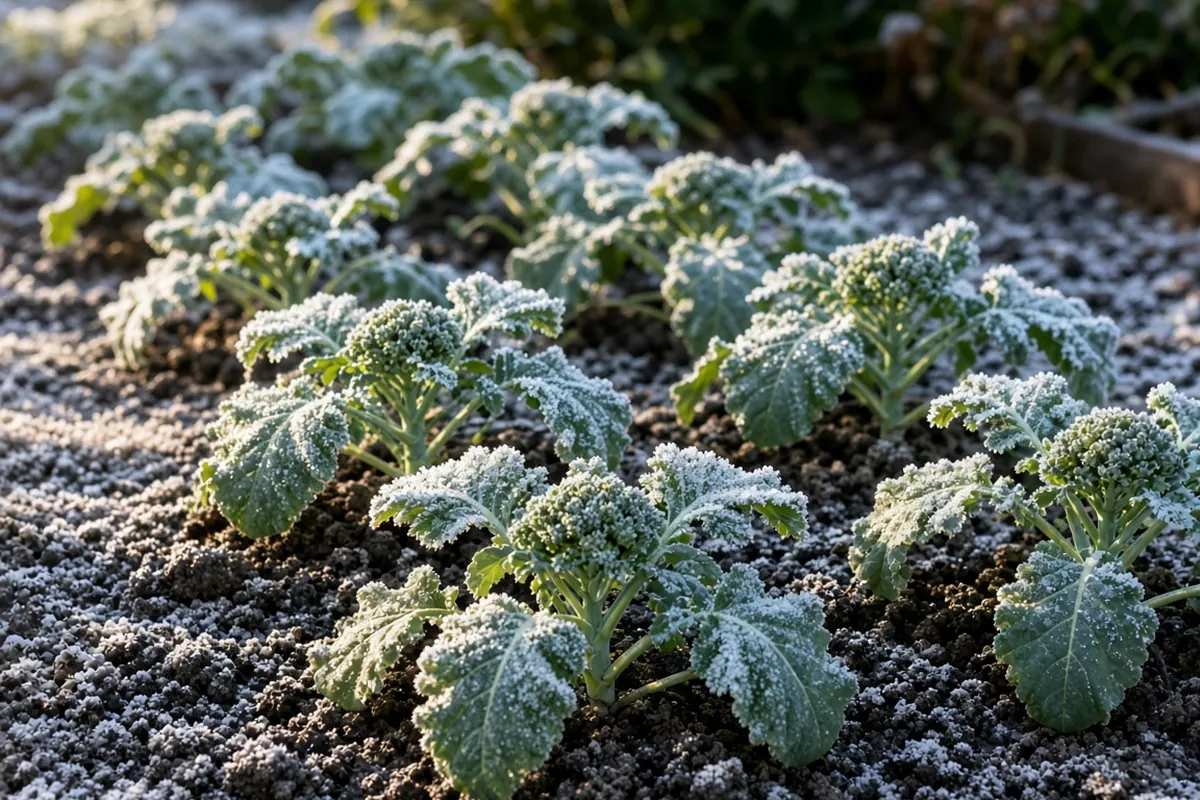
Look closer if the color spreads after the weather warms or plants stop growing. Iowa State Extension says that long periods below 50°F, dry soil and poor soil can cause buttoning, when plants form small heads too early. Check moisture with checking soil moisture by feel. Minnesota Extension suggests broccoli soil with a pH of 6 to 7. More on stress signs is in environmental stresses on weed plants.
How to: step by step
- Note recent night temperatures.
- Check which leaves show the color.
- Wait a week of warmer weather.
- Send a soil sample for pH and nutrients.
- Harden transplants before planting out.
- Use row cover in cold spring weather.
Troubleshooting
Purple after a cold snap: wait for warmth.
Purple and stunted: check soil pH and phosphorus.
Tiny heads form early: buttoning from cold or stress.
Kind Seed Co shares these garden notes for growers of all kinds.
Sources
- Growing broccoli in home gardens, University of Minnesota Extension
- Growing broccoli in the home garden, Iowa State University Extension
- Cold injury, University of Kentucky Vegetable Scouting Guides
- Greenhouse updates: phosphorus deficiency in tomatoes, UMass Amherst Extension
FAQ
Do some broccoli types have purple leaves?
Minnesota Extension notes that some broccoli varieties have purple coloring when raw, which usually fades to green when cooked.
Can cold turn broccoli purple?
Yes. University of Kentucky Extension says cold injury on cole crops can show as purple leaves from extra anthocyanins.
Should I add fertilizer for purple leaves?
Not right away. Minnesota Extension advises low or no phosphorus fertilizer unless a soil report calls for more. UMass Extension says cold soil and low pH are common causes of poor phosphorus uptake.
When should broccoli be planted out?
Iowa State Extension says to plant transplants in early spring after hardening them outdoors for several days. A fall crop can go in from late June to early August.
What is buttoning in broccoli?
Iowa State Extension says buttoning is when stressed plants form heads too early. Long cold spells below 50°F, dry soil and poor soil can cause it.



