
Bean Leaves Turning Yellow: Causes plus Fixes
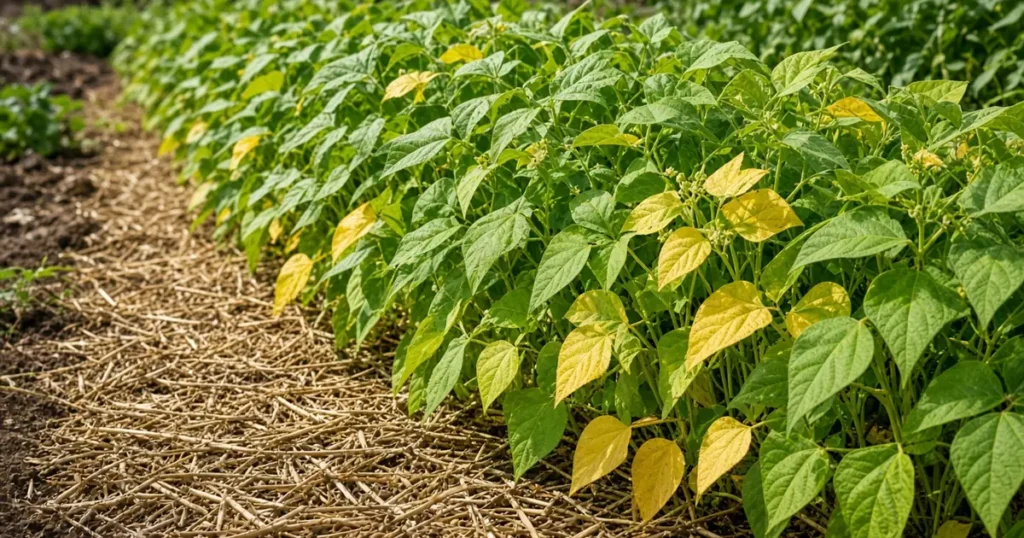
Bean leaves turning yellow usually point to a problem in the soil or the weather. Utah State University Extension notes wet soils promote root rot diseases plus slow plant growth. University of Minnesota Extension notes bean seed in cold soil may rot, plus growth is very slow in cool weather. Water plus drainage come first.
The short answer
Check soil moisture before anything else. Soggy soil invites root rot, so let it dry between waterings. Beans need about 1 inch of water per week, especially at bloom plus pod set. Look under leaves for insects plus on leaves for water soaked spots. Beans fix their own nitrogen, so heavy feeding rarely helps.
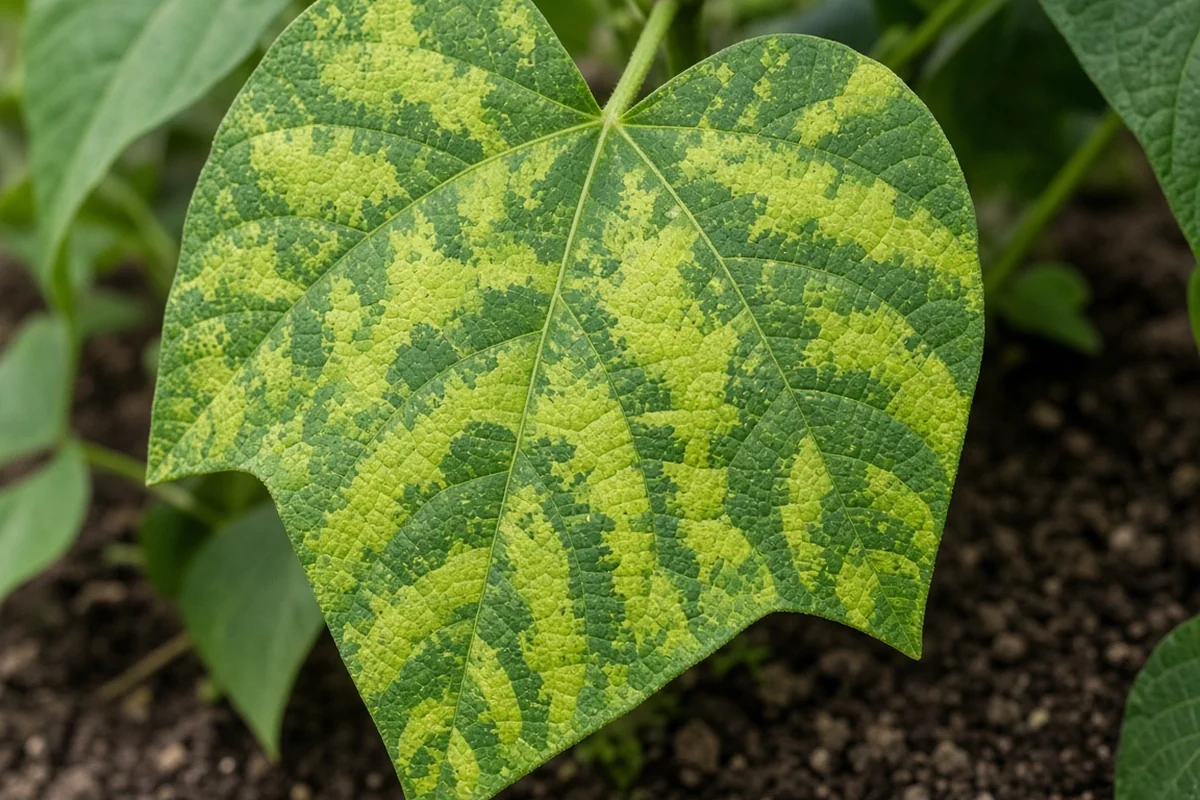
Why do wet soils yellow beans?
Utah State University Extension advises against overwatering, since wet soils promote root rot diseases. It notes root rot plus damping off make seedlings darken, wilt plus die in cool, wet spring conditions. Minnesota Extension notes good drainage matters, even in clay or silt loams that suit beans well.
| Cause | Sign | Fix | Source |
|---|---|---|---|
| Wet soil | Root rot, slow growth | Let soil dry between waterings | Utah State |
| Cold soil | Seed rot, very slow growth | Plant after frost danger passes | Minnesota plus Iowa State |
| Dry spells | Water stress, poor pods | Water deeply during dry periods | Maryland plus Iowa State |
| Bean blight | Water soaked spots that enlarge | Water carefully plus let soil dry | Utah State |
| Leafhoppers | Leaves curl plus dry out | Control weeds nearby | Utah State |
Source: Utah State University Extension, University of Minnesota Extension, Iowa State University Extension plus University of Maryland Extension.
How much water do beans need?
Iowa State University Extension notes beans require 1 inch of water per week from rain or irrigation. Demand is highest during blossoming plus pod development. University of Maryland Extension advises watering deeply plus regularly during dry periods. It also advises watering more often once pods start to develop.
Do beans need nitrogen fertilizer?
Usually not much. University of Maryland Extension notes beans are legumes that fix nitrogen once a good root system forms. It notes excess nitrogen will delay flowering, so side dressing is usually not necessary. Inoculating seed with nitrogen fixing bacteria may raise yields on land newly planted in beans.
How to: step by step
- Plant after the danger of frost has passed.
- Choose full sun plus fertile, well drained soil.
- Give about 1 inch of water per week.
- Use a trowel to see how deep the soil is wet.
- Let soil dry between waterings in cool, wet weather.
- Check leaves for spots plus insects each week.
Troubleshooting
Yellow seedlings in cool wet soil: root rot. Let the soil dry before watering again.
Water soaked spots that spread: bean blight. Damp conditions favor it, so water carefully.
Curled, drying leaves: leafhoppers. Control weeds that offer insects cover.
For related reading see overwatering and cannabis growth, common cannabis plant deficiencies by leaf symptoms plus soil drainage for cannabis beds. Kind Seed Co also stocks cannabis seeds.
Sources
- Growing beans in home gardens, University of Minnesota Extension
- Growing green beans, Iowa State University Extension
- How to grow beans in your garden, Utah State University Extension
- Growing beans in a home garden, University of Maryland Extension
FAQ
Can overwatering turn bean leaves yellow?
Wet soil is a common problem. Utah State University Extension advises against overwatering, since wet soils promote root rot diseases plus slow plant growth. Root rot is linked to cool, wet spring conditions. Allow soil to dry before watering again, plus plant in well drained soil enriched with organic matter.
When should beans be planted?
Iowa State University Extension notes beans are warm season vegetables to plant after the danger of frost has passed. University of Minnesota Extension notes seed planted in cold soil may rot rather than germinate. Growth is very slow in cool weather, so waiting for warm soil pays off.
Should I fertilize yellow bean plants?
Go easy. University of Maryland Extension notes beans fix nitrogen once a good root system is established. Excess nitrogen will delay flowering, plus side dressing is usually not necessary. Iowa State notes many bean species need less fertilizer once established because they fix their own nitrogen.
What does bean blight look like?
Utah State University Extension describes bean blight as small water soaked spots that enlarge into large lesions on stems, leaves plus pods. Damp conditions favor this disease. Water carefully plus allow soil to dry between irrigations. Iowa State also lists halo blight among common green bean problems.
Do yellow pods mean a problem?
Not always. University of Minnesota Extension notes bean pods may be green, yellow, purple or striped, depending on type. Yellow wax beans are meant to be yellow. Utah State notes dry beans stay on the plant until the pods turn yellow plus dry before shelling.



