
Corn Leaves Turning Yellow: Causes plus Fixes
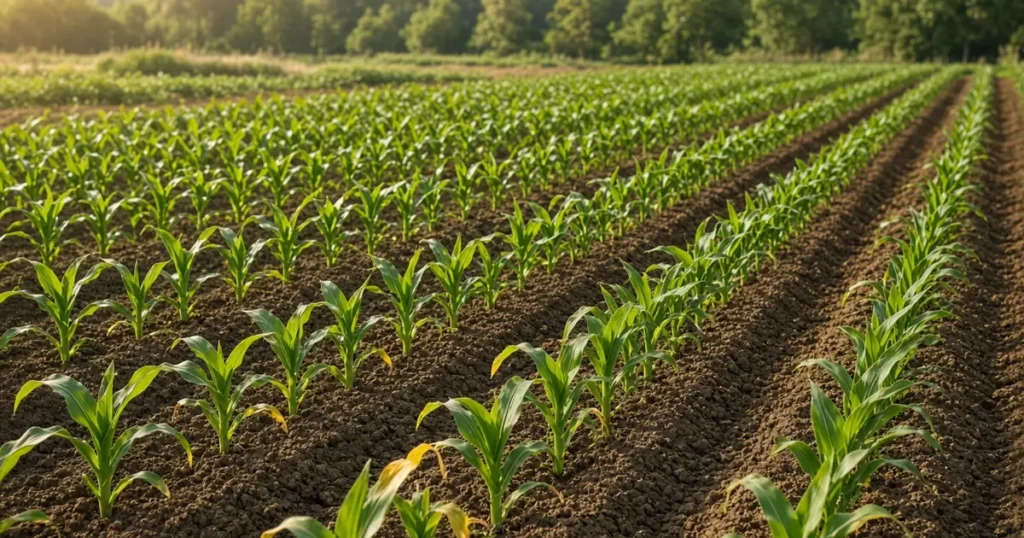
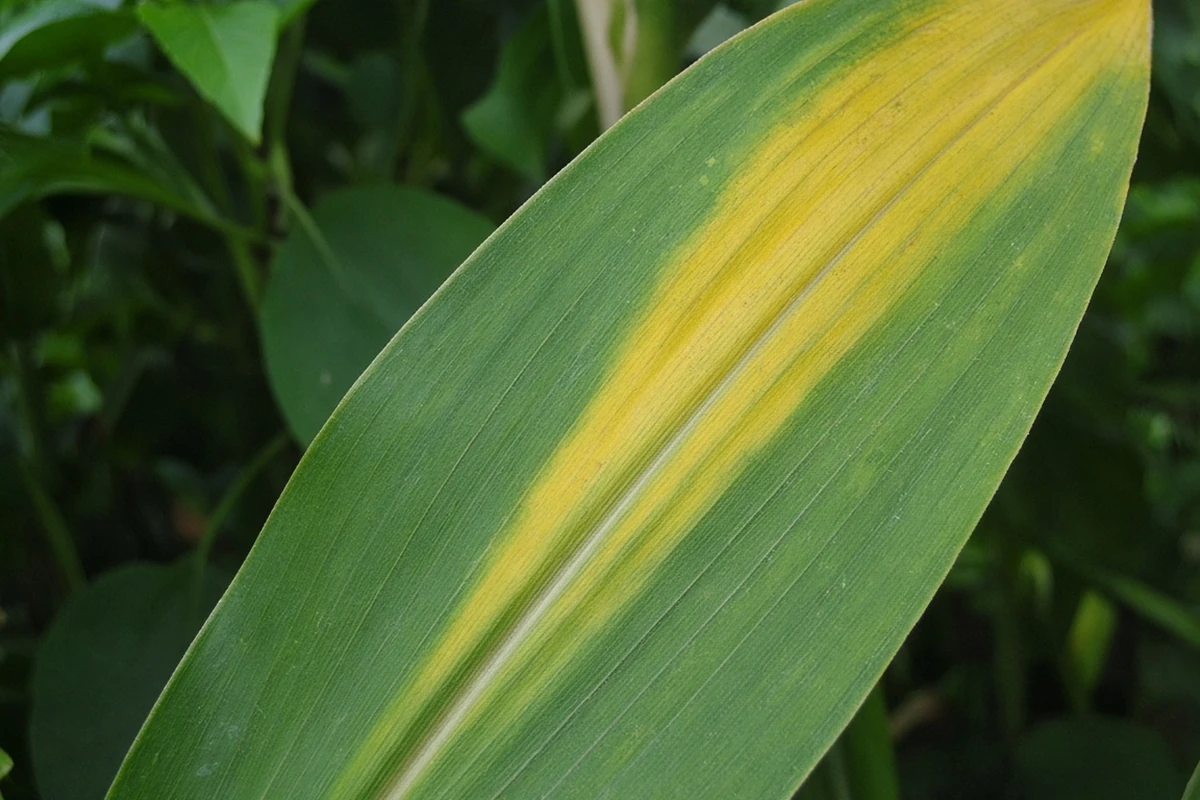
Corn leaves turning yellow are a sign that the crop is short on something it needs. Iowa State University Extension notes sweet corn requires high levels of nitrogen to grow well. Extension pages also link poor growth to cold wet soil plus water stress. Start with the soil, the weather plus your watering.
The short answer
Look at the soil first. Cold, wet spring soil slows corn plus invites root rot. Dry spells cut growth, since corn needs about 1 inch of water per week. Sweet corn is a heavy nitrogen feeder, so base feeding on a soil analysis. Orange streaks on leaves point to rust instead.
What conditions does sweet corn need?
Iowa State University Extension notes sweet corn performs well in full sun plus fertile, well drained soil. University of Minnesota Extension notes it grows well in well drained soil supplied with organic matter. Varieties differ in vigor, notably in cool, wet or compacted soils. Poor conditions appear in the leaves.
| Cause | Sign | Fix | Source |
|---|---|---|---|
| Cold wet soil | Slow seedlings, seed rot | Plant once soil reaches 50 degrees at 4 inches | Clemson plus Iowa State |
| Root rot | Seedlings darken, wilt plus die | Avoid cool wet spring planting | Utah State |
| Dry soil | Water stress, poor ears | Give about 1 inch of water per week | Clemson plus Minnesota |
| Low fertility | Poor growth | Feed based on a soil analysis | Iowa State plus Clemson |
| Rust | Rusty orange streaks on leaves | Grow rust resistant varieties | Minnesota |
Source: Clemson Extension, Iowa State University Extension, Utah State University Extension plus University of Minnesota Extension.
How does cold wet soil affect corn?
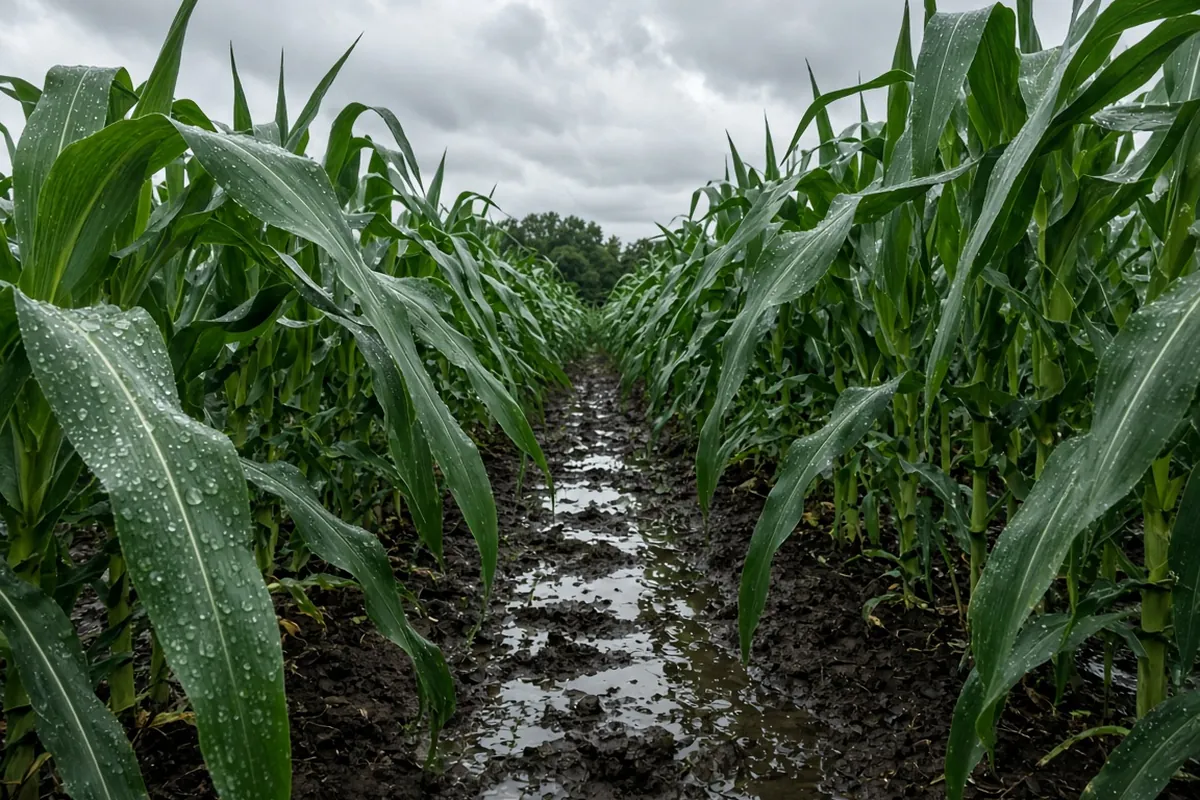
Clemson Extension advises waiting until soil at a 4 inch depth reaches at least 50 degrees F. Planting in wet early spring soil promotes seed rot. Utah State University Extension notes root rots cause seedlings to darken, wilt plus die in cool, wet spring conditions. Minnesota Extension notes diseases infect seeds more in cooler soil.
How much water does corn need?
Clemson Extension notes corn needs at least 1 inch of water per week from rain or irrigation. Water demand peaks during pollination plus ear filling. Utah State notes water stress reduces yield plus ear quality. Minnesota Extension notes sandy soil needs watering more often than once a week.
How to: step by step
- Wait until soil at 4 inches reaches 50 degrees F before planting.
- Plant in full sun in fertile, well drained soil.
- Give about 1 inch of water per week from rain or irrigation.
- Use a trowel to see how deep the soil is wet.
- Feed based on a soil analysis.
- Spread organic mulch to hold soil moisture.
Troubleshooting
Yellow seedlings in cold wet soil: slow early growth. Plant later after soil warms.
Wilting with streaked, drying leaves: wilt disease. Utah State notes stalk rot plus lodging may follow.
Rusty orange streaks: leaf rust. Grow rust resistant varieties next season.
For related reading see common cannabis plant deficiencies by leaf symptoms, soil drainage for cannabis beds plus frost damage on cannabis. Kind Seed Co also stocks cannabis seeds.
Sources
- Growing sweet corn in home gardens, University of Minnesota Extension
- Growing sweet corn in the home garden, Iowa State University Extension
- Sweet corn, Clemson Extension
- How to grow sweet corn in your garden, Utah State University Extension
FAQ
Does corn need a lot of nitrogen?
Yes. Iowa State University Extension notes sweet corn requires high levels of nitrogen plus moderate amounts of phosphorus plus potassium to grow well. Utah State notes sweet corn needs added nitrogen during the season. Clemson Extension advises basing fertilizer on the results of a soil analysis rather than guessing.
Can too much water yellow corn?
Wet soil is a problem early in the season. Clemson Extension notes planting in wet early spring soil promotes seed rot. Utah State University Extension notes root rots cause seedlings to darken, wilt plus die in cool, wet spring conditions. Well drained soil helps young corn get started.
When should sweet corn be planted?
Clemson Extension advises waiting until soil at a 4 inch depth is at least 50 degrees F. Iowa State notes planting too early raises the risk of seed rot in cold, wet soil. Supersweet types are the least tolerant of cold soil, so plant those last.
How do I check if corn has enough water?
University of Minnesota Extension advises using a trowel to see how far down the soil is wet. If it is wet only an inch or two deep, water more. An inch of water wets sandy soil about ten inches deep plus heavy clay about six inches.
What does corn rust look like?
University of Minnesota Extension notes leaf rust appears as rusty orange streaks on leaves that release powdery orange spores. Rust resistant varieties are available. Clemson Extension advises removing plant debris after harvest to reduce diseases caused by rusts plus corn smut in the next season.



