
Building Beds Along a Driveway: Edge Beds, Salt and Snow
The short answer
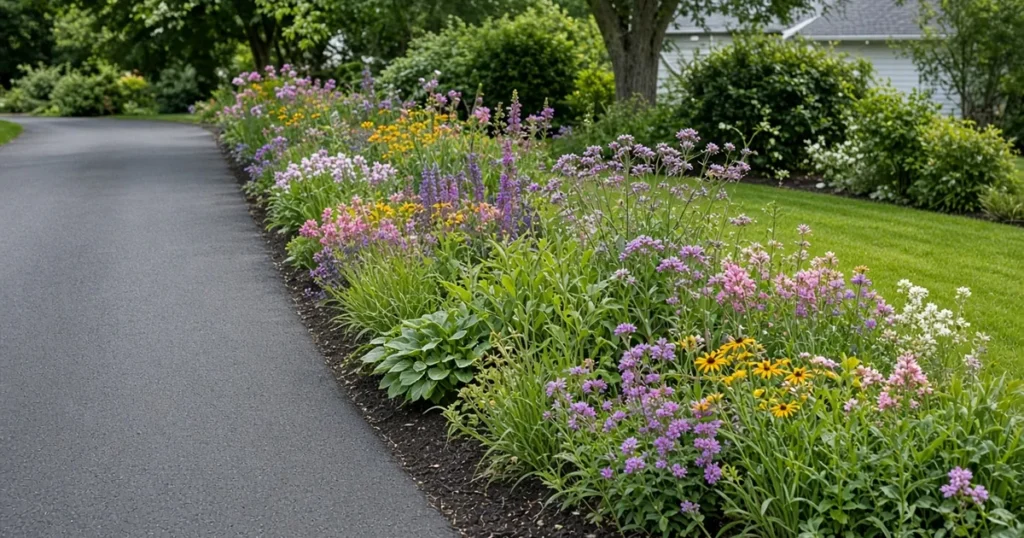
Building beds along a driveway works when you plan for deicing salt and shoveled snow. Minnesota and Wisconsin Extension describe salt damage near pavement and list salt tolerant plants. Put tough plants in front, don’t pile salty snow on beds and flush the soil in spring.
How does salt reach the bed?
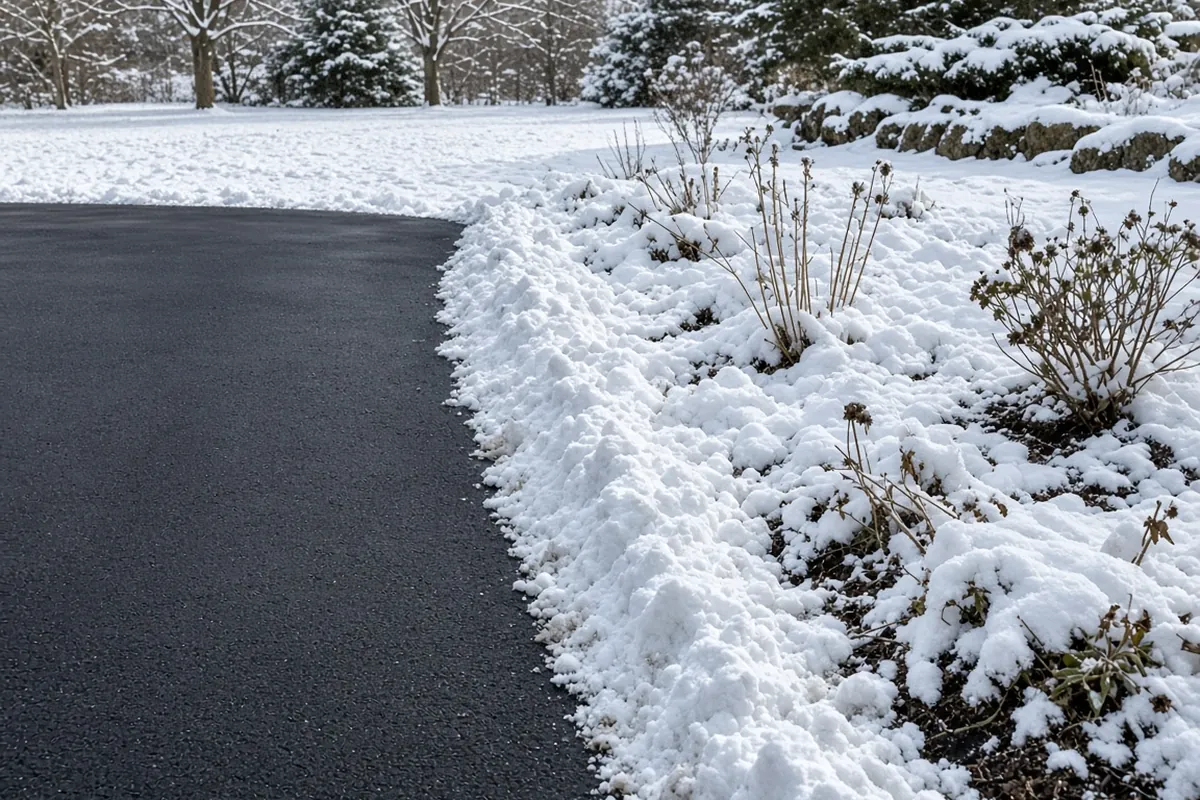
Penn State Extension describes two kinds of damage: salt spray and soil borne salt from runoff. Spray dries out conifer needles and buds. Soil salt binds water so roots can’t take it up. Minnesota Extension says sodium also compacts clay soil and slows water infiltration. Pavement shapes the bed’s garden microclimates for cannabis.
Where should snow go?
Iowa State Extension advises against piling salt laden snow and ice around trees and shrubs. Shovel first and use only enough salt to loosen ice, mixed with sand to stretch it. Pick a snow spot away from the bed. Watch for salt buildup in cannabis soil in pots too.
Which plants handle salt near pavement?
Minnesota Extension suggests plants that die back each year for strips along driveways. Wisconsin Extension lists many salt tolerant plants, including daylily, little bluestem, switch grass, yarrow and creeping juniper. Penn State notes damage is worst in late winter and early spring as buds swell. Cold also matters, so read frost damage on cannabis.
Driveway bed basics
| Issue | Action | Source |
|---|---|---|
| Salt spray | Tolerant plants | Penn State |
| Salty snow | Pile it away from beds | Iowa State |
| Soil salt | Water heavily in spring | Iowa State |
| Plant choice | Die back perennials | Minnesota |
| Plant list | Salt tolerant species | Wisconsin |
Sources: University of Minnesota Extension, University of Wisconsin Extension, Penn State Extension, Iowa State University Extension.

How to: step by step
- Note where snow is piled and melt water flows.
- Set aside a snow spot away from beds.
- Use as little deicer as needed.
- Pick salt tolerant plants for the front.
- Place sensitive plants away from runoff.
- Water heavily in early spring to flush salt.
Troubleshooting
Brown edges in spring: salt. Flush the soil and switch to tolerant plants.
Crushed plants: snow piles. Pile it elsewhere.
Stunted buds on the road side: salt spray. Choose tolerant species.
A driveway edge can still bloom. Kind Seed Co shares more garden bed notes on the blog.
Sources
- The effects of deicing salts on landscapes, University of Minnesota Extension
- Winter salt injury and salt tolerant landscape plants, University of Wisconsin Extension
- Minimize deicer damage with salt tolerant plants, Penn State Extension
- How can I prevent damage to trees and shrubs from deicing salts?, Iowa State University Extension
FAQ
What plants survive road salt?
Wisconsin Extension lists salt tolerant plants such as daylily, little bluestem, switch grass, yarrow and creeping juniper. Iowa State Extension lists trees such as bur oak, honeylocust and Kentucky coffeetree. Minnesota Extension suggests plants that die back each year near pavement.
How far from the driveway should plants be?
Extension sources give no set distance. Penn State Extension says to move plantings away from spots where salt spray or salty runoff collects. Plan around where melt water flows.
Can I pile snow on beds?
Iowa State Extension advises against piling salt laden snow and ice around trees and shrubs. Choose a snow spot away from beds or use plain snow only.
Should I use edging?
Extension sources do not cover edging. Use it if it fits your design. The sources focus on plant choice, snow placement and spring flushing.
How far does salt spray travel?
Penn State Extension says salt spray from roads can travel up to 1000 feet with traffic and wind. Wisconsin Extension says it can travel hundreds of feet or more from busy roads.



