
Pea Fence: Building Simple Supports for Climbing Peas
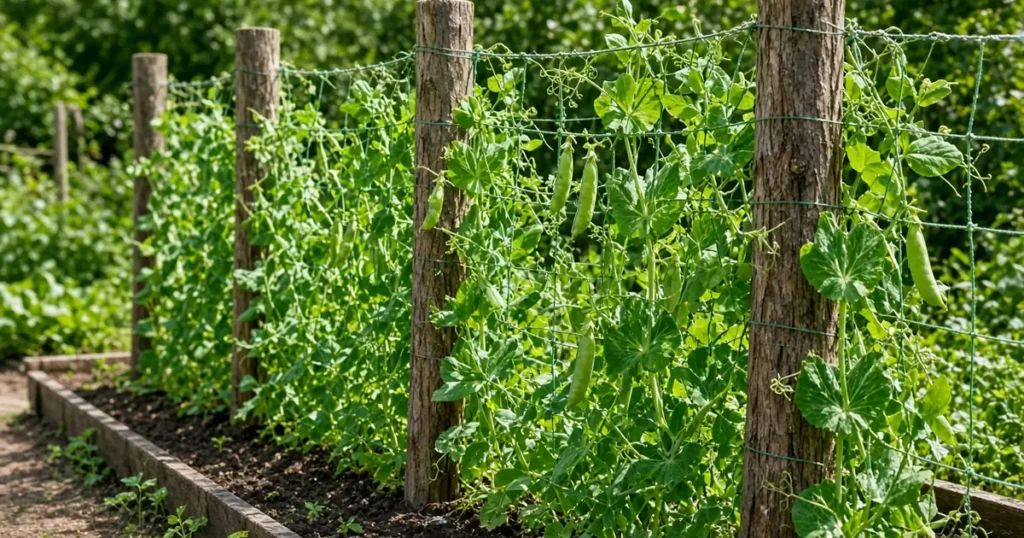
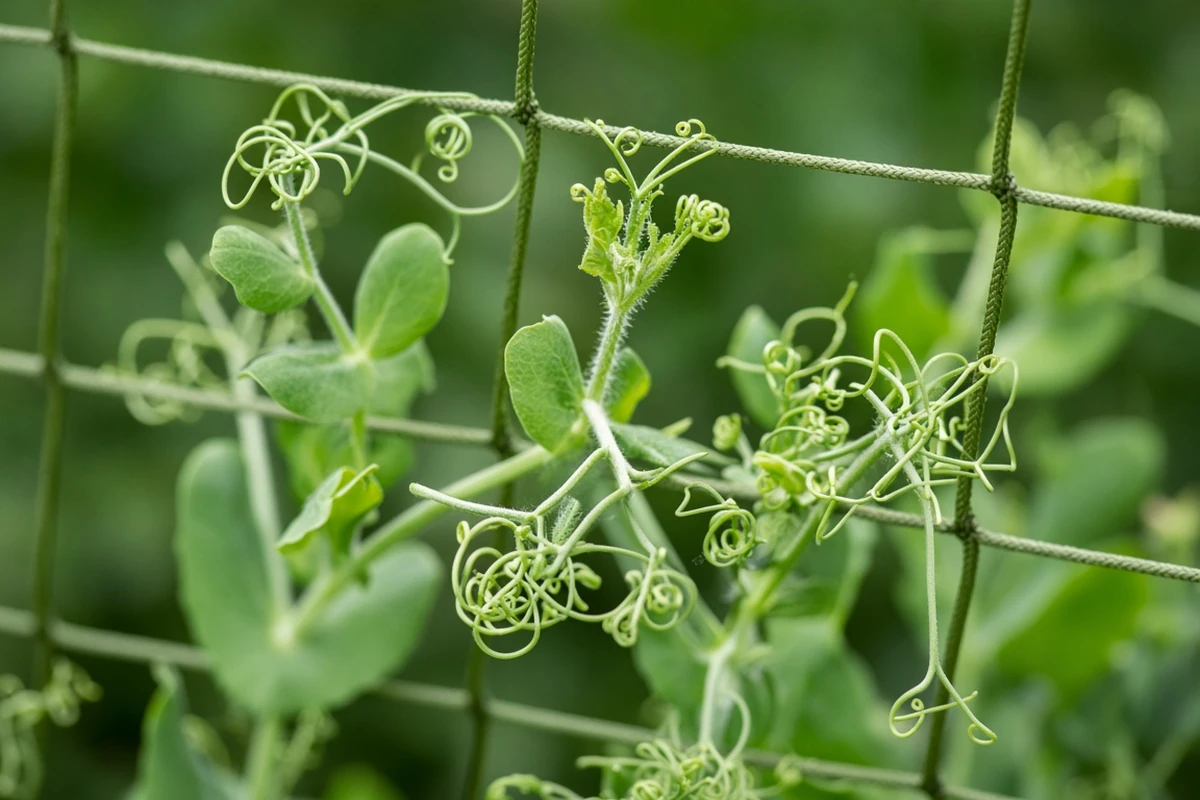
A pea fence gives climbing peas something for their tendrils to grip. University of Minnesota Extension says tall vine varieties can grow up to five feet tall and need a trellis to climb. Bush types stop at two to three feet, so choose the variety first and size the fence to match.
The short answer
Tall vining peas need a pea fence. Minnesota says a trellis can be two vertical stakes with string or netting between them. Sow tall kinds in one row along the base. NC State says vining peas grow well on stakes and twine or a metal fence. Most dwarf varieties need no help standing.
Do peas need a fence?
Only tall ones. Illinois Extension says most dwarf and intermediate varieties are self supporting. Some snap and sugar peas are vining types of 6 feet or more that need fencing or other supports. Minnesota adds that leafless and semi leafless types may stand without a trellis since their tendrils tangle into a mass. Layout tips are in planning an outdoor cannabis garden layout.
What makes a good pea fence?
A sturdy frame plus something thin to grip. Minnesota describes two vertical stakes with string or netting stretched between them. NC State lists stakes and twine or a metal fence. Illinois says tall varieties trained to poles or a fence are easier to pick.
| Material | Height | Notes |
|---|---|---|
| Stakes with string | Match the variety | Minnesota design |
| Stakes with netting | Match the variety | Minnesota design |
| Metal fence | Match the variety | NC State option |
| Poles | Match the variety | Illinois option |
Sources: Minnesota, Illinois and NC State Extension.
How tall should a pea fence be?
Match the vines. Minnesota lists tall vine varieties up to five feet. Illinois notes some snap and sugar peas reach 6 feet or more. Bush types of two to three feet may need no fence at all. Check the seed packet for the height of your variety. Read more in garden microclimates for cannabis.
How to: step by step
- Check how tall your pea variety grows.
- Set a stake at each end of the row.
- Stretch string or netting between the stakes.
- Sow tall peas in a single row at the base.
- Guide early tendrils onto the fence.
- Take the fence down after harvest.
Troubleshooting
Peas sprawling: no support for tall vines. Add a fence.
Dry soil: moisture loss. Illinois says mulch reduces moisture loss and Minnesota suggests three to four inches.
Bush peas flopping: wide spacing. Grow them in a wide row so plants hold each other up.
Kind Seed Co shares these garden notes for growers of all kinds. Companion ideas are in companion plants when growing marijuana. Mulch help is in mulch for cannabis.
Sources
- Growing peas in home gardens, University of Minnesota Extension
- Peas, home vegetable gardening, University of Illinois Extension
- Pisum sativum (garden pea), NC State Extension Gardener Plant Toolbox
- Lathyrus odoratus (sweet pea), NC State Extension Gardener Plant Toolbox
FAQ
Do sweet peas need the same support?
Climbing ones do. NC State says sweet pea can reach up to 8 feet if allowed to climb and that climbers need a support structure. Bush forms stay near 3 feet.
Do bush peas need a pea fence?
Often not. Illinois says most dwarf varieties are self supporting. Minnesota says bush types can grow in a wide row where plants cling to each other.
Should peas grow on both sides?
Minnesota suggests planting tall vining varieties in a single row at the base of the trellis. Bush types can go in a row near the trellis.
How tall do vining peas grow?
Minnesota lists tall vine varieties up to five feet. Illinois says some snap and sugar peas reach 6 feet or more.
What do I do with the fence after harvest?
Minnesota says to remove trellises after harvest, turn pea plants into the soil and wait two weeks before planting a fall crop.



