What Is Zone Pushing? Growing Past Your Hardiness Zone
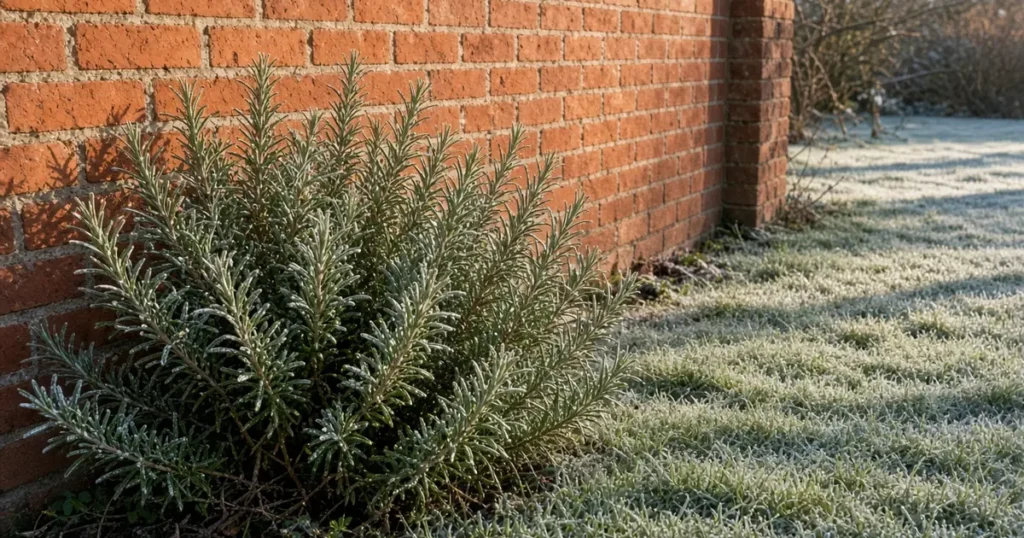
Zone pushing is growing a plant rated for a warmer hardiness zone than the one you live in. The USDA Plant Hardiness Zone Map is based on the average annual extreme minimum winter temperature. Gardeners push zones by using microclimates that run warmer than the rest of the yard.
The short answer
Zone pushing means growing plants rated for a zone warmer than yours. It relies on microclimates such as south facing walls, rock plus pavement that hold heat. The USDA notes that plants at the edge of their range can be lost in a rare cold snap, so plan each try as a gamble.
What do hardiness zones measure?
Each zone reflects the average annual extreme minimum winter temperature. Zones run in 10 degree F steps from zone 1 to zone 13.
| Map feature | Detail |
|---|---|
| Basis | Average annual extreme minimum winter temperature |
| Full zone | 10 degrees F |
| Half zone | 5 degrees F, a plus b |
| Data years | 1991 to 2020 |
Source: USDA Plant Hardiness Zone Map.
How do microclimates help zone pushing?
UC Master Gardeners note paved surfaces, gravel, rock plus decks absorb heat by day and release it at night. Southern exposures are warmer with longer seasons. Colorado State University Extension notes a spot where snow lies thick all winter is a good place to try more tender plants.
What are the risks?
The USDA notes plants at the extreme of their range can be lost in a rare cold snap lasting a day or two, even after thriving for years. It notes wind, soil moisture, snow plus winter sun all affect survival. Plants dry in late autumn can be injured.
How to: step by step
- Look up your zone on the USDA map.
- Find warm spots near walls, rock or paving.
- Note where snow piles up in winter.
- Pick a plant rated one half zone warmer.
- Water well before the ground freezes.
- Record how it does each winter.
Troubleshooting
Plant lost after a mild run: a rare cold snap hit. The USDA notes this can happen even after years of success.
Dieback in a warm corner: winter sun plus wind dried it out. Water well in late autumn before dormancy.
No gain from a wall: the wall faces north. Choose a south facing spot.
For related reading see garden microclimates for cannabis, frost damage on cannabis plus windbreaks for outdoor cannabis. Kind Seed Co also stocks cannabis seeds.
Sources
- How to use the maps, USDA plant hardiness zone map, USDA Agricultural Research Service
- 2023 USDA plant hardiness zone map, USDA Agricultural Research Service
- How to assess your microclimates, UC Marin Master Gardeners
- Mountain microclimates, Colorado State University Extension, Gilpin County
FAQ
How far can a zone be pushed?
No source sets a fixed limit. The USDA map splits each zone into 5 degree F half zones. A sheltered microclimate may let a plant rated a half zone warmer survive, but the USDA notes a rare cold snap can still kill plants at the edge of their range.
Do containers help?
Colorado State University Extension advises annuals in containers that can be moved to follow the sun in mountain valleys. Movable pots let tender plants shift to warmer spots. Roots in pots face colder air than roots in the ground, so a perennial in a container may need shelter over winter.
Does snow cover help plants?
Colorado State University Extension notes snow acts as a blanket that insulates plants from winter drying. It advises a snow fence of 40 to 60 percent density to trap snow. A spot where snow lies thick all winter is a good place to try more tender plants.
Are new zone maps different?
The current USDA map uses weather data from 1991 to 2020. The USDA notes that if your zone changed, it does not mean you should remove plants or change what you grow. Zone shifts reflect averages, and a single cold winter can still fall below them.
Do south walls help?
UC Master Gardeners note southern exposures are warm plus sunny even in winter and give longer seasons. Masonry walls, rocks plus patios gather heat in the sun and slowly release it later. Colorado State University Extension notes these spots can be tried with plants from a warmer zone.