Collards vs Kale: Leaves Plus Growing Seasons
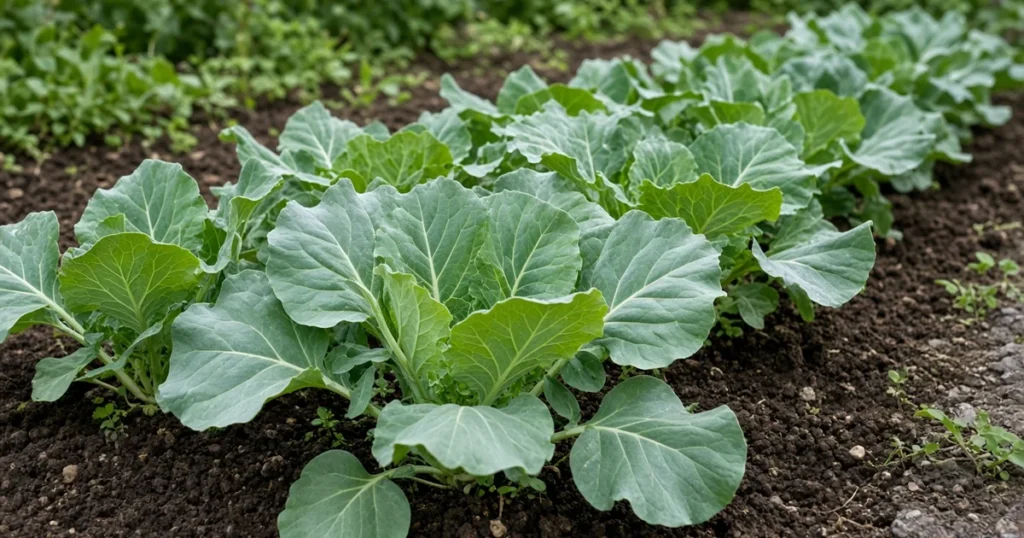
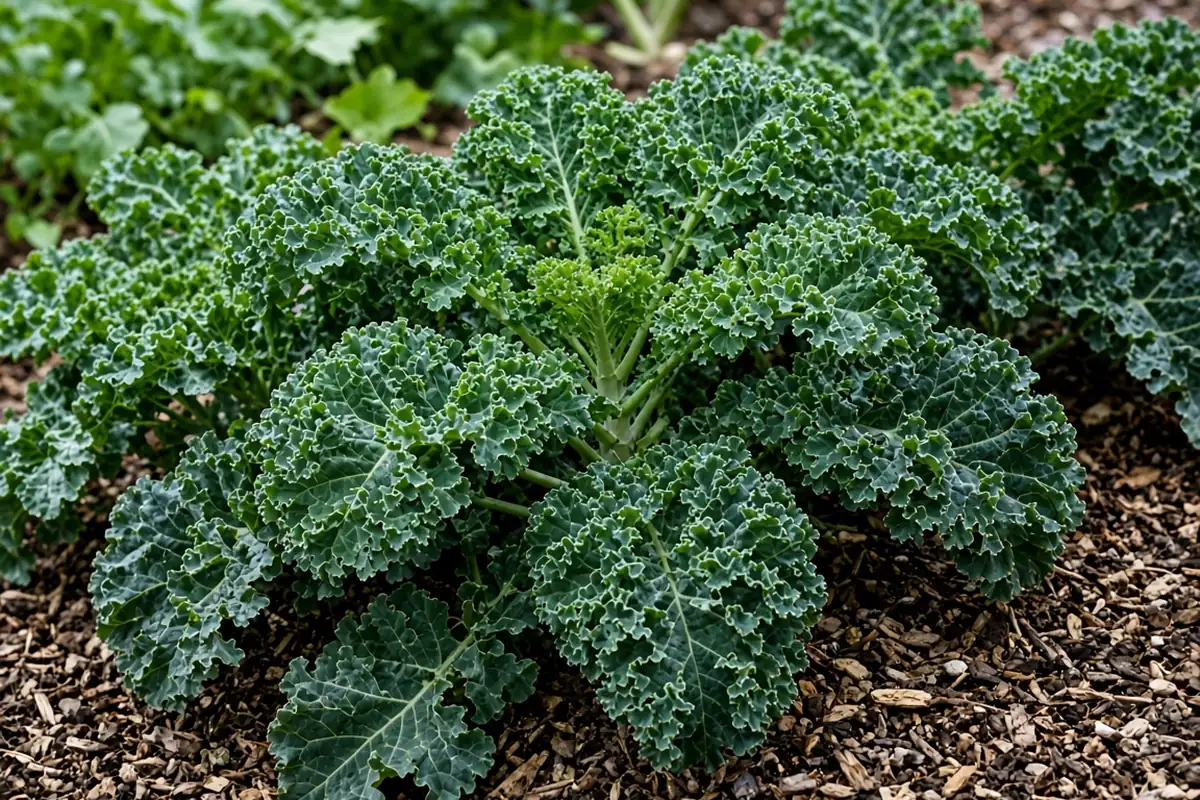
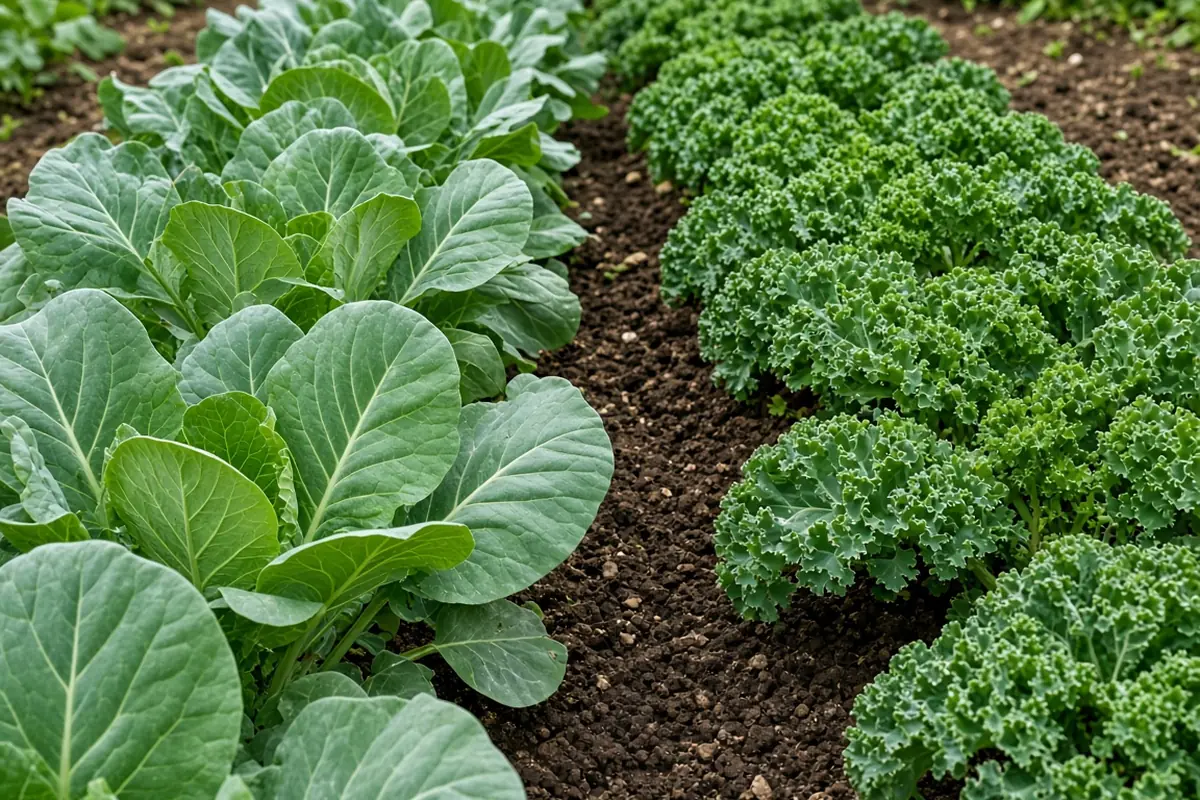
The collards vs kale question starts with the leaves. UMN Extension notes that both are leafy forms of the same species as broccoli, cauliflower plus cabbage. Collards produce large, smooth, thick leaves. Kale leaves are curly, ruffled or lobed on the edges.
The short answer
Collards plus kale are close relatives grown the same way. The main difference is leaf shape. Both are cool season greens that grow past the first fall frosts. Collards take about 70 to 90 days from seed in Florida, while UF/IFAS lists kale at about 70 to 80 days.
How do the leaves differ?
UMN Extension describes collard leaves as large, smooth plus thick. Kale leaves are curly, ruffled or lobed. NC State Extension notes that Toscano kale has long, thin, puckered leaves. Red Russian kale has flat leaves with purple veins.
When should each be planted?
UMN Extension advises sowing in spring as soon as the soil is workable. For a fall crop, sow again about three months before the average frost date. NC State Extension suggests planting kale four weeks before the last spring frost plus six weeks before the first fall frost.
| Trait | Collards | Kale |
|---|---|---|
| Leaf shape | Large, smooth plus thick | Curly, ruffled or lobed |
| Days from seed | 70 to 90 | 70 to 80 |
| Days from transplants | 50 to 70 | About 55 |
Source: UF/IFAS Gardening Solutions plus UMN Extension.
How do you pick each crop?
UF/IFAS advises picking older collard leaves from the outer rim so new growth comes from the center. For kale, it advises picking lower leaves but no more than one third of the plant at a time. NC State Extension also suggests taking big outer kale leaves first.
How to: step by step
- Choose a bed where cabbage family crops have not grown for four years.
- Mix compost into the soil.
- Plant seeds ¼ to ½ inch deep.
- Set collards 12 to 24 inches apart.
- Thin kale to 12 inches apart.
- Gather outer leaves first.
Troubleshooting
Leaves turn tough in summer: heat stress. UMN Extension notes that heat slows growth.
Plants stall in dry spells: moisture stress. Water regularly.
Plant stops producing: too many leaves taken. Leave the center to grow.
For related reading see leaf anatomy, companion plants plus frost damage. Kind Seed Co also stocks cannabis seeds.
Sources
- Growing collards and kale in home gardens, UMN Extension
- Collards, UF/IFAS Gardening Solutions
- Kale, UF/IFAS Gardening Solutions
- Kale, NC State Extension
FAQ
Are collards plus kale the same plant?
They are the same species. UMN Extension notes that collards plus kale are leafy forms of the same species as broccoli, cauliflower plus cabbage. Russian or Siberian kale is a similar plant from a different species. The main visible difference is leaf shape, with collards smooth plus kale curly or lobed.
Do collards plus kale handle frost?
Yes. UMN Extension notes that both are cold tolerant plus continue to grow plus produce new leaves well beyond the first fall frosts. NC State Extension lists Improved Dwarf Siberian kale as very cold tolerant. UF/IFAS names Champion collards as a cultivar with improved cold tolerance plus disease resistance.
Which grows bigger?
UF/IFAS advises spacing collards about 12 to 24 inches apart so they reach full size. NC State Extension suggests thinning kale seedlings to 1 foot apart in rows 2 to 3 feet apart. UF/IFAS notes that Winterbor kale can reach 2 feet tall, while Vates collards are more compact.
What soil do these greens prefer?
UMN Extension notes that kale plus collards do well in loamy, well drained soil with high organic matter. NC State Extension gives a pH range of 6.0 to 7.5 for kale. Both sources suggest adding compost before planting. Steady moisture supports fast growth, which gives the most tender leaves.
Why rotate these crops?
UMN Extension advises growing collards plus kale where you have not grown cabbage family crops for the past four years. That family includes cabbage, cauliflower, broccoli, Brussels sprouts, mustard, turnip plus rutabaga. Rotating beds this way is a standard step for this whole group of crops.