Feather Meal for Cannabis: Nitrogen Content and Use
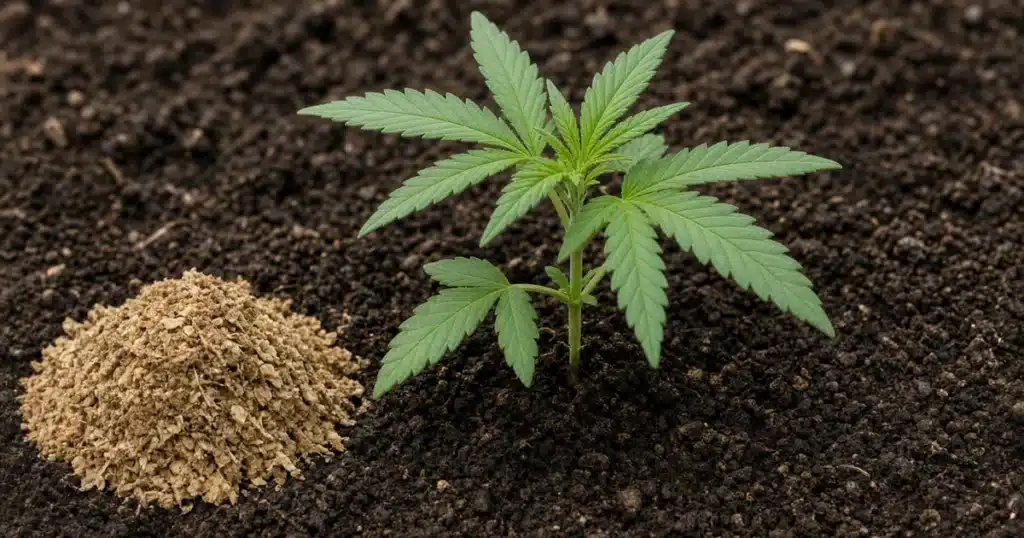
Quick answer: Feather meal is ground, steam processed poultry feathers sold as an organic nitrogen fertilizer. A University of New Hampshire Extension chart lists it at 12 to 15 percent nitrogen with a slow to medium release, and it advises applying it early for a supply that lasts the season. For cannabis, that makes feather meal a base feed worked into beds or potting mix before planting or early in vegetative growth. It supplies almost no phosphorus or potassium, so it covers one nutrient, not the whole menu.
What Is Feather Meal?
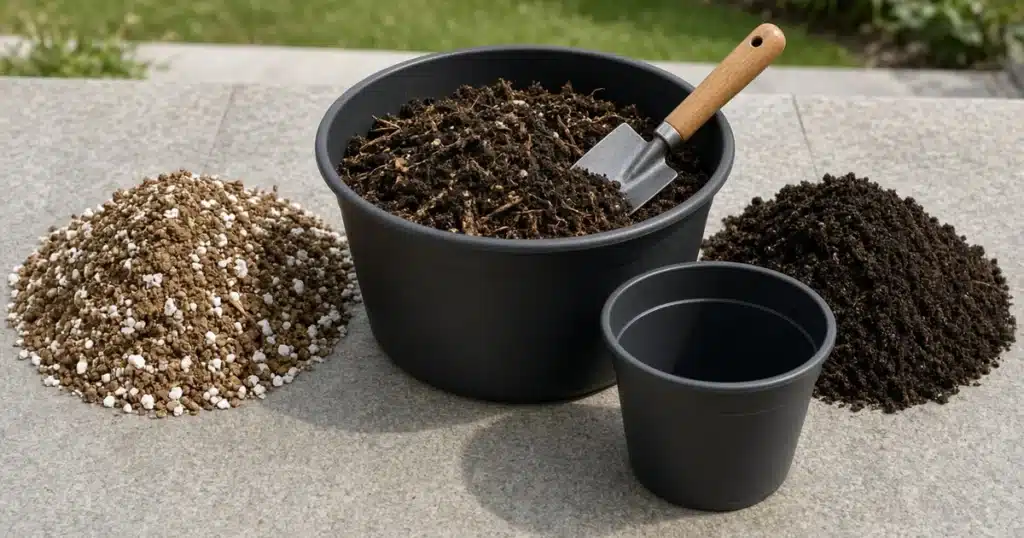
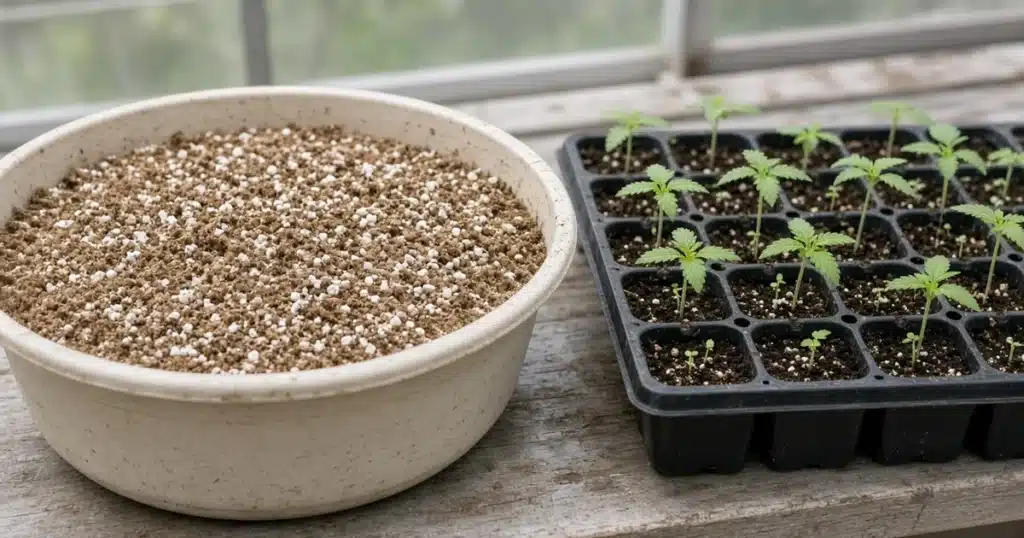
Feather meal is a dry fertilizer made from cooked poultry feathers. Feathers are made mostly of keratin, a tough protein that soil microbes struggle to break apart in its raw form. Processors cook the feathers under steam and pressure, then dry and grind them into a fine tan powder or small granules. Without that cooking step, the feathers would stay a nearly inert waste product instead of a usable fertilizer.
Colorado State University Extension, in its fact sheet on organic fertilizers, describes the product as coming from poultry slaughter and says it carries fairly high nitrogen levels but releases that nitrogen slowly. That page gives a nitrogen range of 7 to 12 percent and notes the number depends on how the feathers were processed. Bags from different makers can therefore read quite differently, and it pays to check the printed analysis on the label before you buy.
Feather meal holds little else. Phosphorus and potassium are close to zero, and the material adds only a modest amount of organic matter compared with compost. Think of it as a nitrogen source first and a soil builder a distant second. Some growers also confuse it with blood meal, another poultry and livestock byproduct. Blood meal works faster and carries a similar nitrogen level, while feather meal holds back more of its supply for later weeks.
Feather meal is a true fertilizer. Read about the difference between amendments and fertilizers to see why that matters.
How Much Nitrogen Does Feather Meal Supply?
Published numbers vary with the source and the batch. The New Hampshire chart puts feather meal at 12 to 15 percent nitrogen. Colorado State gives 7 to 12 percent. A University of California incubation trial used a feather meal labeled at 12 percent nitrogen and a carbon to nitrogen ratio of 3.8, which is very low and helps explain why microbes can release its nitrogen at all.
Either way, few organic nitrogen materials a home grower can buy carry more. It sits well above soybean meal or cottonseed meal and close to the high end for animal byproducts. With that much nitrogen packed in, a little goes far, and the usual mistake is simply using too much.
For cannabis, nitrogen drives leaf and stem growth during the vegetative stage. A plant short on nitrogen pales from the lower leaves upward. Our explainer on why nitrogen matters to cannabis plants walks through those signs and how demand changes from seedling to flower.
Feather Meal at a Glance
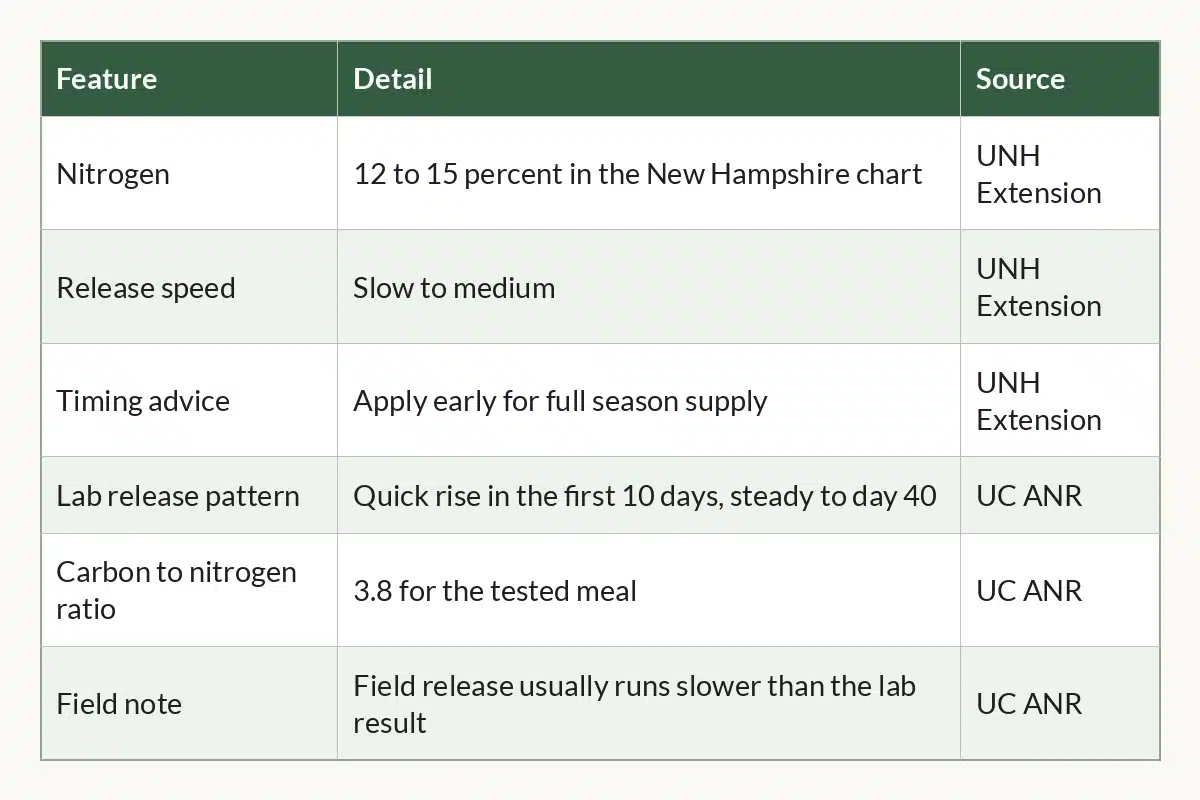
| Feature | Detail | Source |
|---|---|---|
| Nitrogen | 12 to 15 percent in the New Hampshire chart | UNH Extension |
| Release speed | Slow to medium | UNH Extension |
| Timing advice | Apply early for full season supply | UNH Extension |
| Lab release pattern | Quick rise in the first 10 days, steady to day 40 | UC ANR |
| Carbon to nitrogen ratio | 3.8 for the tested meal | UC ANR |
| Field note | Field release usually runs slower than the lab result | UC ANR |
How Fast Does Feather Meal Release Nitrogen?
This is where sources disagree, and the gap is useful to understand. Colorado State calls feather meal slow and lists its release time as four months or longer. The New Hampshire chart rates it slow to medium. Yet a University of California nitrogen release trial found something faster.
In that work, researchers mixed several organic fertilizers into a farm loam at the same nitrogen rate and held them at about 73°F with ideal moisture for 12 weeks. Most products, feather meal included, showed a burst of available nitrogen in the first 10 days, a steady climb from day 10 to day 40, and little change after that. Feather meal ranked among the materials that released the most nitrogen overall.
The authors add an important caveat. Their samples sat under ideal conditions, so field release will usually run slower. Colorado State makes a related point: microbes do the work, and they slow sharply when soil is cold or dry, below roughly 50°F.
Soil texture matters as well. A light, airy mix warms quickly and drains well, which keeps microbes busy. A dense, wet mix stays cool and short on air, and release slows in both cases. In practice, then, the answer comes down to where the plant grows. In a warm, evenly moist indoor container, feather meal can start feeding within a couple of weeks and taper over a month or two. In a cool outdoor bed in spring, expect a slower start and a longer tail.
Is Feather Meal Good for Cannabis?
It suits growers who prefer organic inputs and want nitrogen that does not wash away after a single watering. Gradual microbial release makes a sudden spike in the root zone less likely than with soluble salts. It also stores well in a dry, sealed bag.
It has real limits, though. Feather meal will not fix a nitrogen shortage overnight, so it is a poor rescue tool for a pale plant in late veg. It does nothing for phosphorus or potassium, which matter more once buds form. And because it is so concentrated, too much in a small pot can push lush, soft growth.
Cannabis also shifts its needs during flowering. Heavy nitrogen late in the cycle tends to favor leaves over flowers. Growers who use feather meal usually front load it in the soil mix, then switch to other sources as flowers form. Our comparison of organic vs synthetic fertilizer for cannabis lays out how slow organic inputs and quick mineral feeds can work together.
How to Use Feather Meal on Cannabis
- Test or know your base. A soil test shows whether nitrogen is truly short. Many bagged mixes already contain a starter charge.
- Read the label analysis. Note the nitrogen percentage on your bag, since products range from about 7 to 15 percent.
- Start low. Colorado State lists 2.5 to 5 pounds per 100 square feet for beds. For containers, scale down and stay at the low end until you see how plants respond.
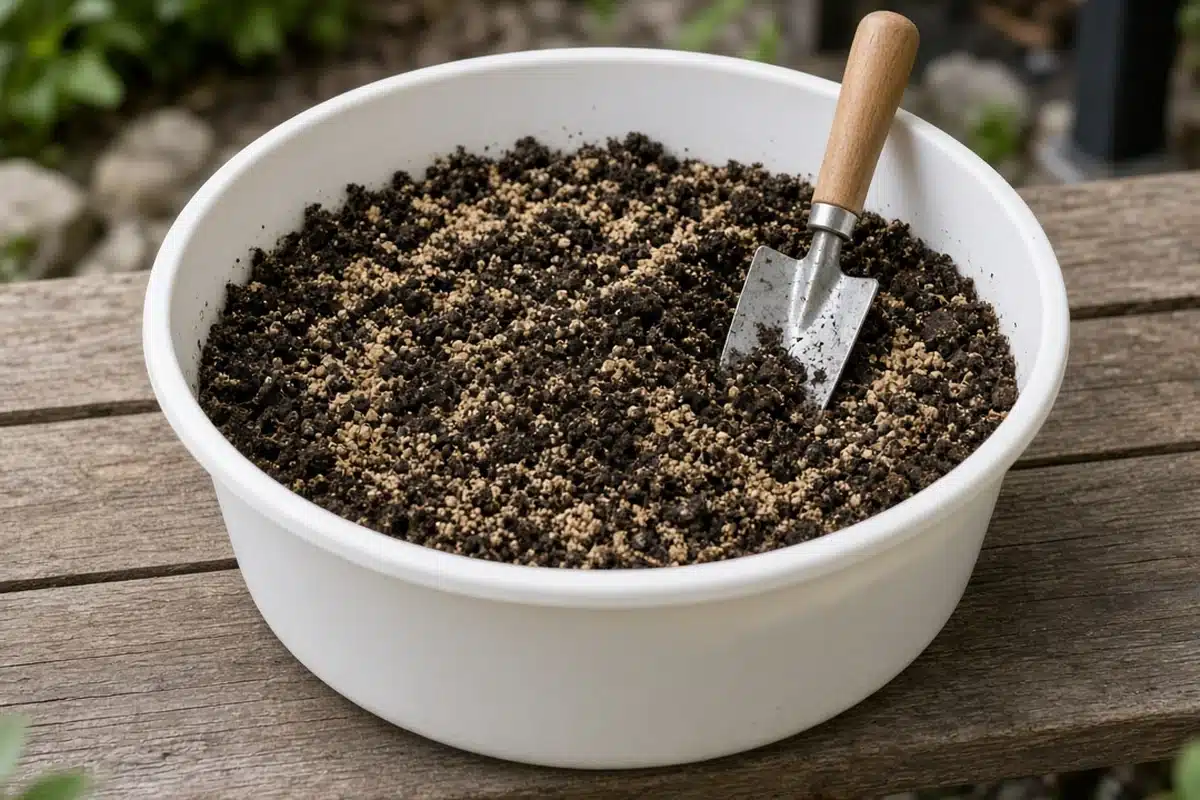
- Mix it in, not on top. Blend the meal into the top several inches of soil so microbes can reach it and less nitrogen escapes into the air.
- Time it early. Add it at planting or a few weeks before transplant so release lines up with vegetative growth.
- Keep moisture steady. Even moisture and warmth keep microbes active. Dry pockets stall release.
- Watch the leaves. Deep green, upright growth means the supply is working. Dark, clawed leaf tips suggest too much.
- Taper before flower. Avoid fresh doses once buds start. Shift attention to phosphorus and potassium sources.
The approach fits well with a broader plan based on slow release fertilizer for cannabis, where one base application carries plants through several weeks.
Troubleshooting Feather Meal Problems
Plants stay pale after adding feather meal. Release may be slow in cool or dry soil. Warm the root zone, keep moisture even and give it two to three weeks before adding more.
Leaves turn very dark and tips curl down. Nitrogen is likely too high. Stop adding meal, water normally and let the plant grow into it.
A strong smell rises from the pot. Meal left on the surface or used in large amounts can give off odor as it breaks down. Mix it below the surface and use less.
White fuzz appears on the soil. Surface meal can grow harmless mold in humid conditions. Work it into the soil and let the top layer dry between waterings.
Growth slows late in flower. Feather meal may be spent. That is often fine at this stage, since nitrogen demand drops as buds fill.
Sources
- University of New Hampshire Extension, Organic and Natural Fertilizers for the Home Ground and Garden: https://extension.unh.edu/sites/default/files/migrated_unmanaged_files/Resource003737_Rep5330.pdf
- UC Agriculture and Natural Resources, Many organic soil amendments provide nitrogen, but when is that nitrogen plant available?: https://ucanr.edu/blog/small-and-organic-farm-advisor/article/many-organic-soil-amendments-provide-nitrogen-when
- Colorado State University Extension, Organic Fertilizers: https://extension.colostate.edu/resource/organic-fertilizers/
FAQ
Is feather meal fast or slow release?
Extension charts call it slow to medium. A lab trial found faster release in warm, moist soil, so speed depends on conditions.
Can I use feather meal in containers?
Yes. Blend a small amount through the potting mix before planting, then keep moisture even so microbes can free the nitrogen.
Does feather meal add phosphorus or potassium?
Almost none. Pair it with other sources whenever your plants need those nutrients.
When should I stop using feather meal?
Most growers stop adding it once flowering begins, since cannabis needs less nitrogen as buds develop.
Does feather meal smell?
It can if left on top of the soil. Mixing it in reduces odor.