
Fruit vs Vegetable: Botanical vs Kitchen Definitions
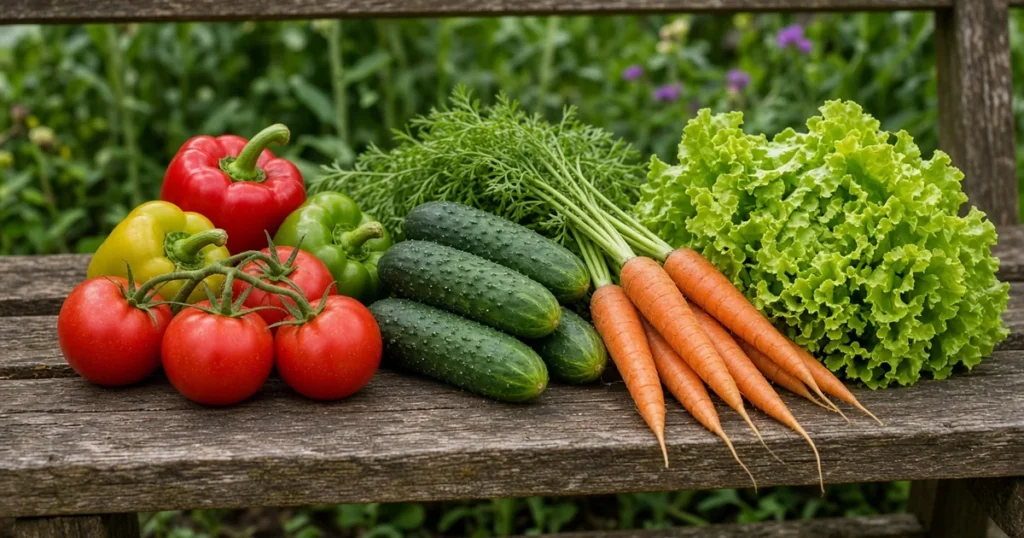
Fruit vs vegetable is a question with two answers. In botany a fruit is the ripened ovary of a flowering plant, usually holding seeds. In the kitchen a fruit is sweet plus a vegetable is savory. Iowa State University Extension notes cucumbers, peppers plus watermelons are all botanical fruits.
The short answer
Botanically, a fruit forms from a ripened ovary plus usually holds seeds, so tomatoes, peppers, cucumbers plus squash are fruits. In the kitchen, a vegetable is a savory food served with the main meal, while fruit goes into desserts. Iowa State University Extension notes both views are correct in their own setting.
What makes a fruit a fruit in botany?
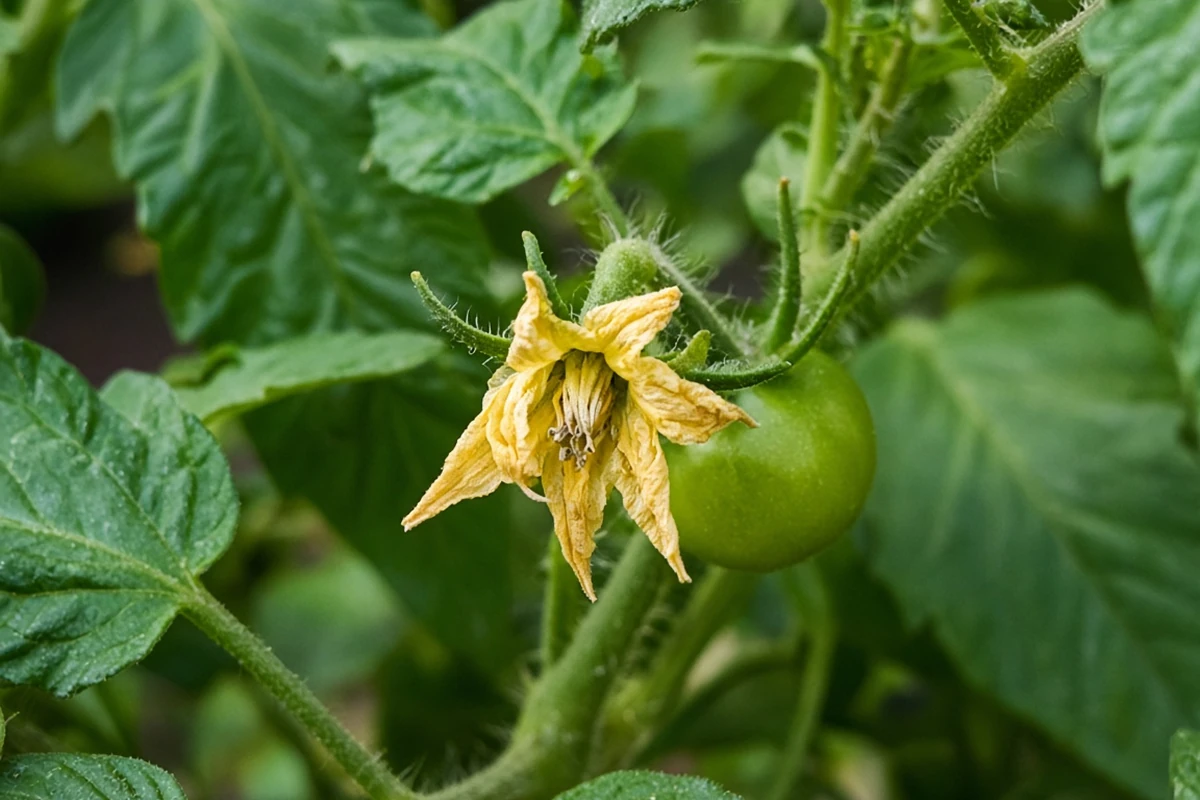
NC State Extension defines a fruit as a ripened ovary containing one or more seeds. The fruit shields the seed until it is dispersed. University of Minnesota Libraries sorts fruits by ovary position plus structure.
| Fruit type | How it forms | Examples |
|---|---|---|
| Berry | Superior ovary, fleshy wall (University of Minnesota Libraries) | Tomato, grape plus blueberry |
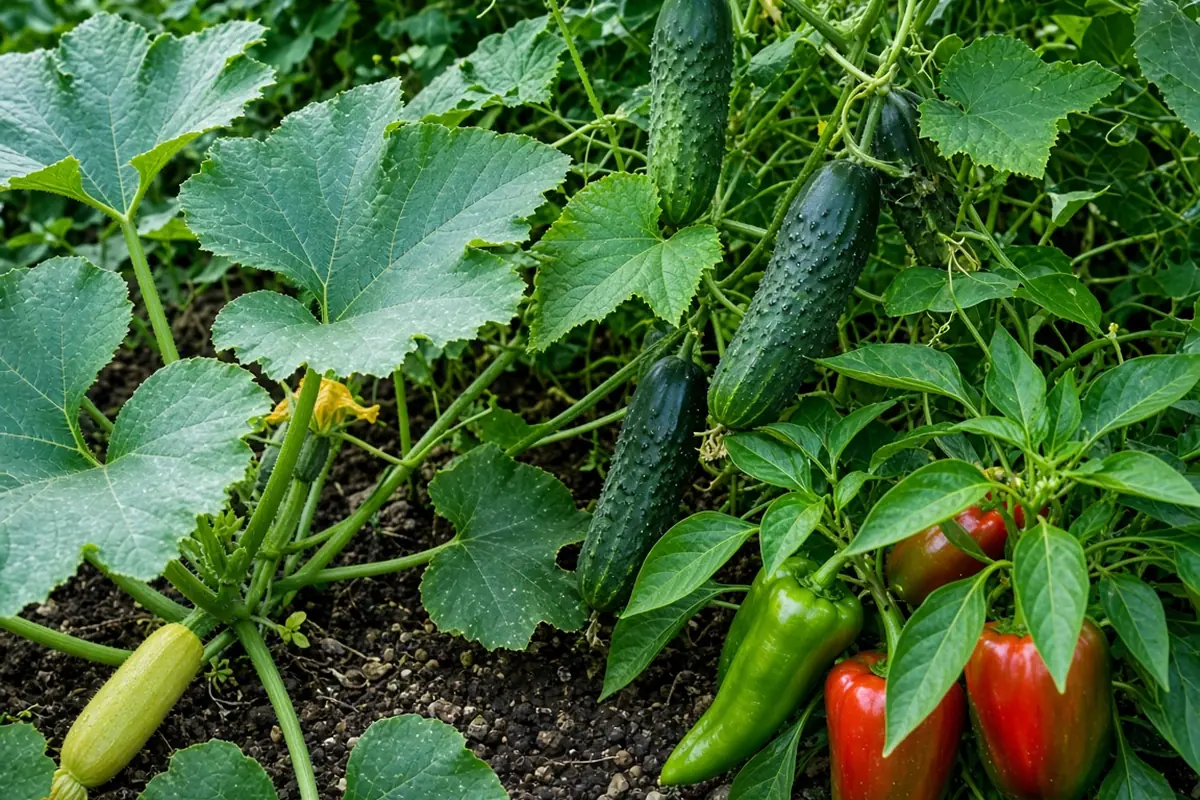
| Pepo | Inferior ovary, firm rind (University of Minnesota Libraries) | Cucumber, zucchini plus squash |
| Aggregate | Many ovaries in one flower (University of Minnesota Libraries) | Raspberry |
| Accessory | Flesh from tissue beyond the ovary (University of Minnesota Libraries) | Strawberry plus apple |
Source: University of Minnesota Libraries.
What does the kitchen call a vegetable?
University of Minnesota Libraries notes that in the culinary view a vegetable is a savory food, so peppers, tomatoes plus squash land in the vegetable group even though they are botanical fruits. Iowa State University Extension notes common usage puts fruit in desserts plus vegetables with the main meal.
Which garden crops are botanical fruits?
Any crop you harvest after flowering where seeds form inside counts. Iowa State University Extension lists apples, cucumbers, cherries, peppers plus watermelons. University of Minnesota Libraries adds tomatoes, zucchini plus squash. Leafy crops plus roots such as lettuce or carrots are not fruits because you harvest leaves or roots, not a ripened ovary.
How to: step by step
- Note which plant part you harvest.
- Check whether it formed from a flower.
- Slice it open to spot seeds.
- Call it a fruit if it is a ripened ovary.
- Apply the kitchen grouping at the market.
- Apply the botanical label when planning crops.
Troubleshooting
Seedless fruit causes doubt: bred variety. It still forms from an ovary, so it is a fruit.
Squash sold as a vegetable: culinary label. In botany it is a pepo fruit.
Strawberry seeds sit outside: accessory fruit. The flesh forms from tissue beyond the ovary.
For related reading see cannabis seed anatomy, life cycle of a cannabis plant plus photosynthesis the process that makes cannabis grow. Kind Seed Co also stocks cannabis seeds.
Sources
- Is a tomato a fruit or a vegetable?, Iowa State University Extension and Outreach
- 8.1 Fruit morphology, The Science of Plants, University of Minnesota Libraries
- Extension Gardener Handbook, chapter 3: Botany, NC State Extension
FAQ
Is a cucumber a fruit?
Yes, botanically. Iowa State University Extension lists cucumbers among the botanical fruits because they form from a ripened ovary with seeds. University of Minnesota Libraries classes the cucumber as a pepo, a fruit from an inferior ovary with a firm rind. In the kitchen it is still sold plus used as a savory vegetable.
Are nuts fruits?
Many are, though not all in the same way. University of Minnesota Libraries notes a peanut is a legume, the same fruit type as a pea pod, while a cashew is a drupe, like a cherry or a peach. In both cases the harvested part develops from a flower ovary, the botanical rule for a fruit.
Why do the two definitions differ?
They answer different questions. Botany asks which part of the plant a structure came from, so a ripened ovary is a fruit. Cooks ask how a food tastes plus where it fits in a meal. University of Minnesota Libraries notes the culinary view groups savory foods as vegetables, which is why peppers plus tomatoes switch labels.
Is a tomato a vegetable in the garden?
Gardeners usually group tomatoes with vegetables when planning beds, but the plant still produces a botanical fruit. University of Minnesota Libraries classes the tomato as a berry because it forms from a superior ovary with a fleshy wall. Iowa State University Extension notes both views are correct, one botanical plus one culinary.
Are seedless fruits still fruits?
Yes. Iowa State University Extension notes seedless varieties such as seedless watermelons still count as fruits because they form from the ovary of a flower. Breeding removed viable seeds, not the botanical origin. NC State Extension notes a fruit is a ripened ovary, which is the trait that decides the label.



