
Parts of a Flower: Petals Sepals plus Reproductive Parts
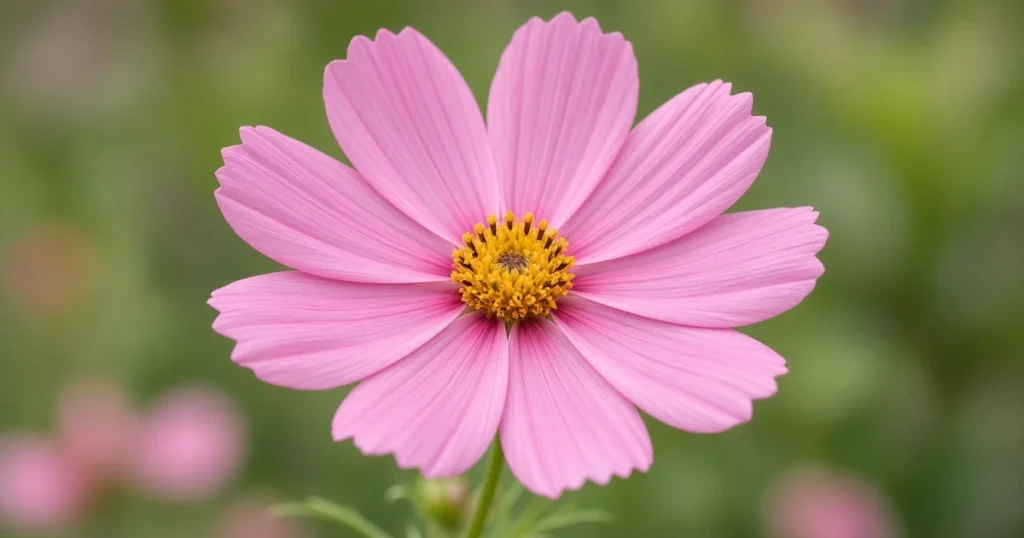
The parts of a flower are sepals, petals, stamens plus pistils. Sepals cover the bud, petals draw pollinators, stamens make pollen plus the pistil holds the ovary where seeds form. Colorado State University Extension notes fruit develops from the maturing ovary after pollination plus fertilization, which ends the flower’s job.
The short answer
A complete flower has four main parts. University of Tennessee Master Gardener Program names them as sepals, petals, stamens plus a pistil. Sepals are small green structures at the base, petals are the colored parts, stamens make pollen plus the pistil in the center holds the ovary, which becomes the fruit.
What do sepals plus petals do?
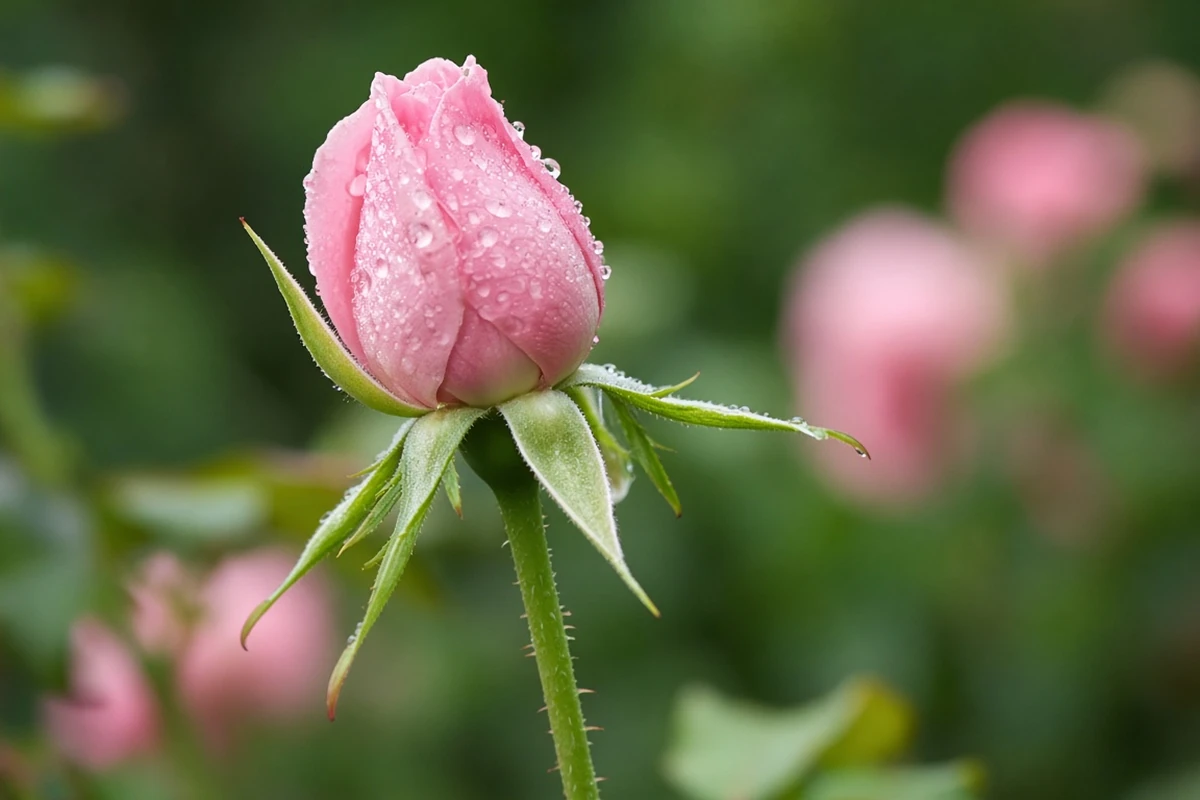
University of Tennessee Master Gardener Program notes sepals are small, usually green, leaf like structures at the base of a flower that cover the bud, called the calyx together. Petals sit just inside plus are often colored or scented. NC State Extension notes petals may make nectar plus are called the corolla together.
| Part | Location | Job |
|---|---|---|
| Sepals | Base of the flower | Cover the bud (University of Tennessee Master Gardener Program) |
| Petals | Just inside the sepals | Color plus scent draw pollinators (NC State Extension) |
| Stamens | Inside the petals | Anthers make pollen (University of Tennessee Master Gardener Program) |
| Pistil | Center of the flower | Stigma, style plus ovary (NC State Extension) |
| Ovary | Base of the pistil | Becomes the fruit (NC State Extension) |
Source: University of Tennessee Master Gardener Program plus NC State Extension.
What are the male plus female flower parts?
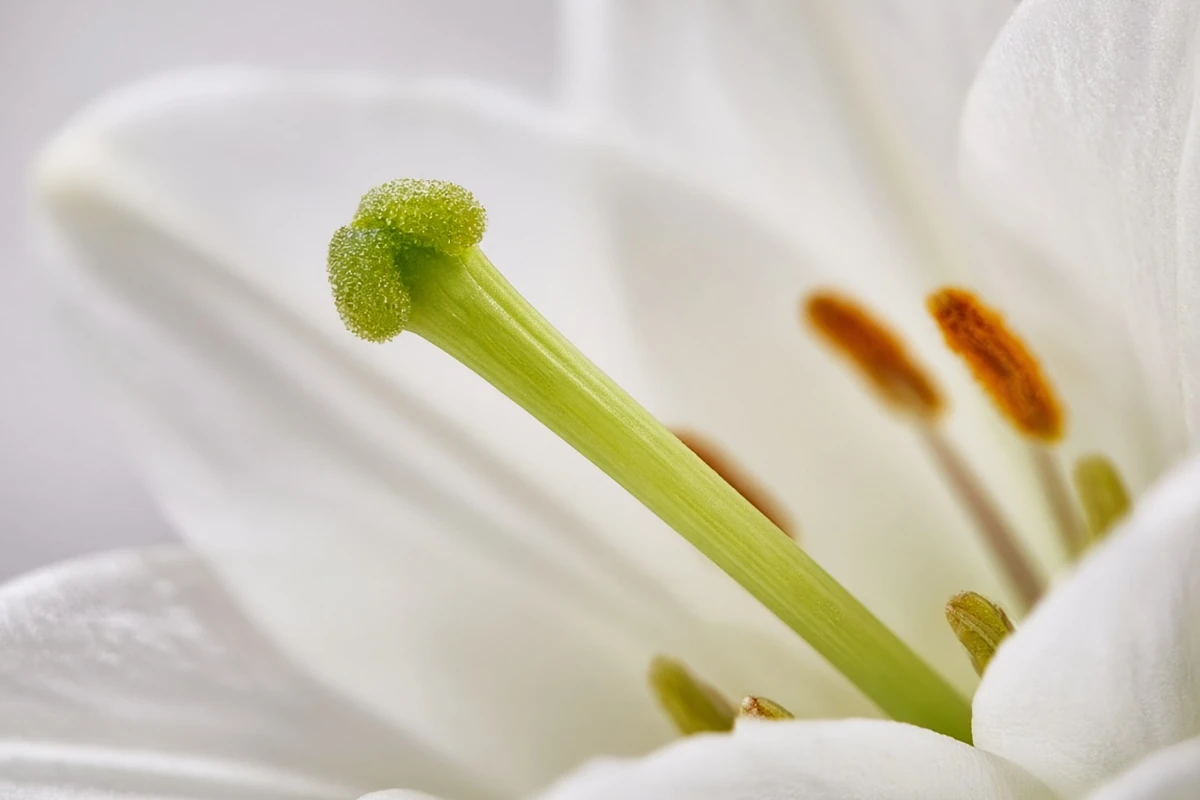
NC State Extension notes the stamen is the male organ, made of an anther that holds pollen plus a stalk called the filament. The pistil is the female structure in the center, made of a stigma, a style plus an ovary. The stigma at the top receives pollen.
How does pollination lead to fruit?
University of Tennessee Master Gardener Program notes pollination moves pollen from the anther to the stigma, enabling fertilization. NC State Extension notes that after the egg is fertilized, the ovule becomes a seed plus the ovary matures into the fruit. UC Berkeley Integrative Biology notes insects, birds, mammals, wind plus water carry pollen.
How to: step by step
- Locate the green sepals at the flower base.
- Note the color plus shape of the petals.
- Spot stamens with pollen on their tips.
- Find the pistil in the center of the flower.
- Observe pollinators moving between flowers.
- Check the base of the flower for a swelling ovary.
Troubleshooting
Flowers drop without fruit: no pollination. Encourage pollinators or hand pollinate.
Squash has only male flowers early: normal timing. Female flowers follow.
Few flowers: low light. Review sun exposure.
For related reading see cannabis leaf anatomy, cannabis seed anatomy plus life cycle of a cannabis plant. Kind Seed Co also stocks cannabis seeds.
Sources
- Botany (CMG GardenNotes 120), Colorado State University Extension
- Extension Gardener Handbook, chapter 3: Botany, NC State Extension
- Chapter 3: basic botany, plant physiology, and plant classification, University of Tennessee Master Gardener Program
- Pollination key concepts (IB 168 lecture 15), UC Berkeley Integrative Biology
FAQ
Do all flowers have both male plus female parts?
No. NC State Extension notes flowers with both are called perfect, while flowers lacking stamens or pistils are imperfect. Some plants, such as most hollies, carry male plus female flowers on separate plants. Others, such as corn, watermelon plus squash, carry separate male plus female flowers on one plant.
What is a perfect flower?
A perfect flower has both working stamens plus pistils, notes University of Tennessee Master Gardener Program. If either part is missing, the flower is imperfect. NC State Extension notes a complete flower has sepals, petals, stamens plus pistils, so every imperfect flower is also incomplete by definition.
Why are some flowers green?
Many wind pollinated flowers do not need to attract animals. UC Berkeley Integrative Biology notes wind pollinated plants often have small, non showy flower parts or none at all, plus they make large amounts of pollen. NC State Extension notes grass flowers typically lack sepals plus petals.
What part of the flower becomes the fruit?
The ovary. NC State Extension notes the ovary is the swollen part at the base of the style plus holds ovules, each producing one egg cell. After fertilization, each ovule develops into a seed plus the ovary matures into the fruit. Colorado State University Extension notes fruit grows from the maturing ovary.
How does wind pollination differ from insect pollination?
UC Berkeley Integrative Biology notes wind pollination is less precise, so plants often make pollen in large amounts plus have small or missing petals. Animal pollinated flowers usually have a large, showy perianth or scent plus offer a reward such as nectar. Pollen of animal pollinated flowers is usually sticky.



