
Garden on a Former Driveway: Removing Paving and Building Beds
The short answer
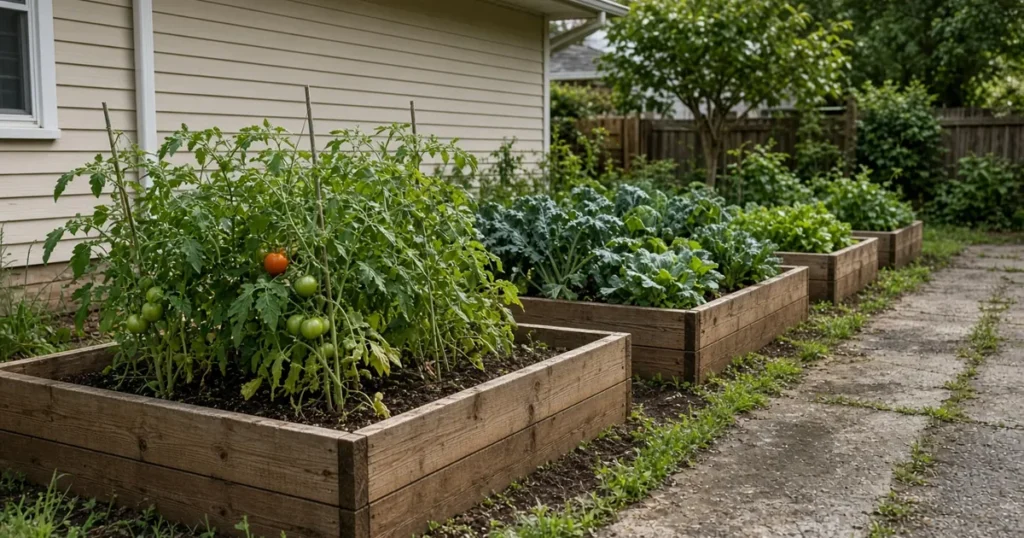
A garden on a former driveway starts with pulling up the paving and checking what lies below. UC ANR advises sampling urban soil before growing food, and Delaware Extension suggests raised beds where soil is poor or contaminated. Break out the paving, clear the base, loosen the ground and add compost or beds.
Can you garden where a driveway was?
Yes. Delaware Extension says raised beds make gardening possible where paving or rocky, contaminated ground would make it hard. WSU Extension notes construction compacts soil and mixes in debris. See garden microclimates for cannabis for how pavement shapes heat.
How do you remove asphalt or concrete?
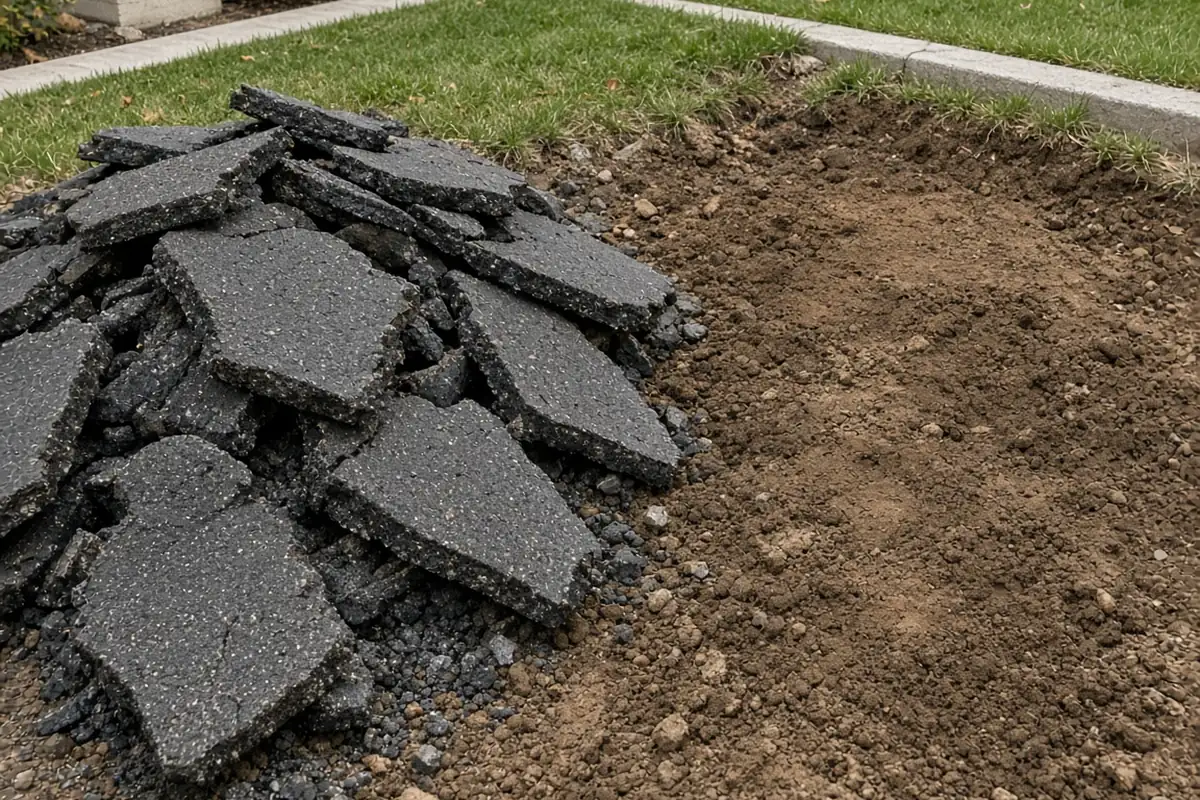
Break the paving into pieces and haul it away, then remove the base material below it. UC ANR flags debris such as concrete, wire and broken glass, so clear it well. Heavy equipment packs the ground, so loosen it next. See soil compaction in cannabis beds.
Should you sample the soil underneath?
Yes. UC ANR says urban soils are often affected by past industry, dumping, construction and heavy traffic. Lead is fairly common, and some sites hold petroleum chemicals. UC ANR always recommends lab analysis. WSU Extension says some soil qualities need basic analysis and others need more detailed work. Bed tips are in raised beds for cannabis.
Driveway garden basics
| Step | What to do | Source |
|---|---|---|
| Clear | Remove paving and debris | UC ANR |
| Sample | Lab analysis for lead | UC ANR |
| Loosen | Break up compaction | WSU |
| Barrier | Fabric under beds | Delaware |
| Beds | Clean soil in raised beds | Minnesota |
Sources: UC ANR, University of Delaware Cooperative Extension, WSU Extension, University of Minnesota Extension.
How to: step by step
- Measure the area and plan where beds will go.
- Break out and haul away the paving.
- Remove the base material.
- Send a soil sample to a lab.
- Loosen compacted ground and add compost.
- Build raised beds with clean soil if results call for it.
Troubleshooting
Water pools: compacted base. Loosen deeply.
Poor growth: little organic matter. Add compost.
High lead results: contamination. Use raised beds with a barrier fabric.
Raised beds as a backup
University of Minnesota Extension says raised beds help where soil holds lead or other heavy metals and ease compacted soil. Beds warm earlier in spring.
An old driveway can grow vegetables. Kind Seed Co shares more garden site notes on the blog.
Sources
- Soils in urban agriculture (ANR Publication 8552), University of California Agriculture and Natural Resources
- Raised bed gardening, University of Delaware Cooperative Extension
- Pacific Northwest Gardener’s Handbook, chapter 5: Urban soil management, Washington State University Extension
- Raised bed gardens, University of Minnesota Extension
FAQ
Is soil under a driveway fine for food crops?
Not always. UC ANR says urban soil is often degraded by construction, traffic and past use. Lead is fairly common. Send a sample to a lab before you grow food. Raised beds with clean soil are an option if levels are high.
How deep is the gravel base?
Extension sources do not give a depth for driveway bases. Dig a small hole in a few spots to see how far gravel and fill go. WSU Extension notes construction often mixes debris into the soil.
Can I build beds on top of asphalt?
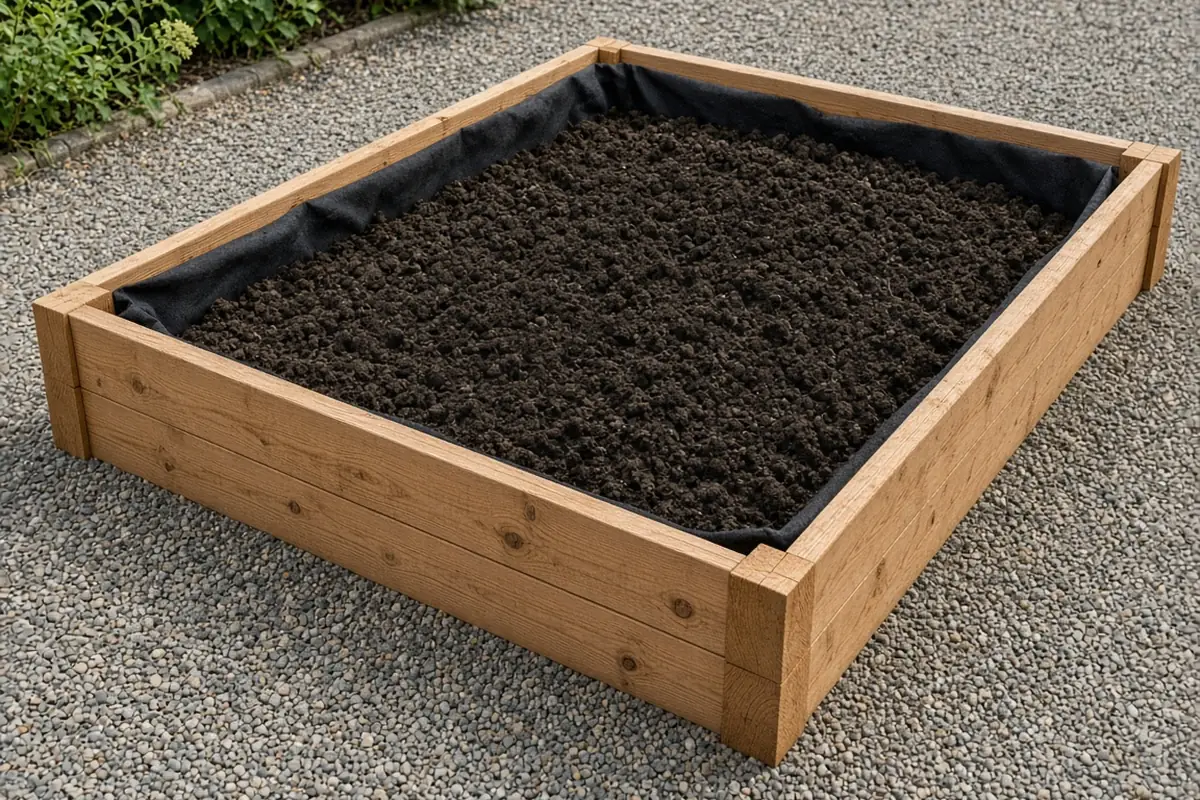
Yes. Delaware Extension shows raised beds built on asphalt and advises a barrier fabric between the bed soil and asphalt, concrete or contaminated ground. University of Minnesota Extension says beds on pavement can get very hot, so raising them helps.
What should I grow first?
UC ANR suggests a simple fertility check: grow bean seeds in site soil next to potting soil and compare. Start with easy crops in clean raised beds while you improve the ground.
Why sample soil under a driveway?
UC ANR says urban soils are often affected by past industry, dumping, construction and heavy traffic, and it always recommends lab analysis for urban plots. Use the results to choose between amending in place and building raised beds with clean soil.



