
How to Garden on Fill Dirt: Improving Builder Fill for Beds
The short answer
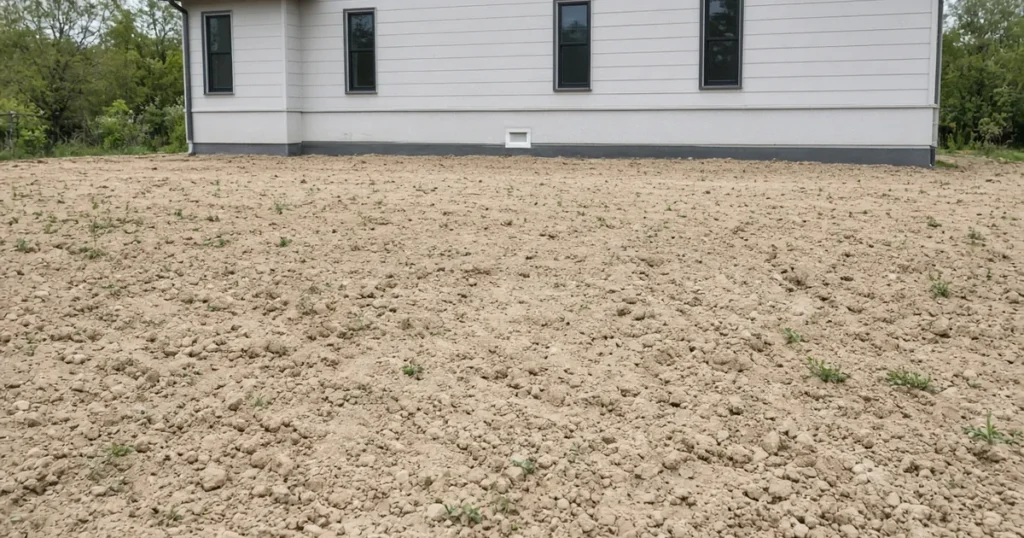
To garden on fill dirt, start with the packed subsoil and debris left after building. NC State Extension says construction often removes topsoil and compacts what is left. Loosen the compacted layers and mix in compost rather than spreading thin topsoil over hardpan. Where fill is very poor, raised beds work faster.
What is builder fill?
NC State Extension says builders remove topsoil and subsoil during construction, and compaction is needed for building but limits plant growth. Clay subsoil may end up on top. UF IFAS notes heavy equipment and imported fill soils change soil properties. Compare a soil core with the soil survey to gauge the disturbance. Site factors are covered in garden microclimates for cannabis.
How do you improve fill dirt?
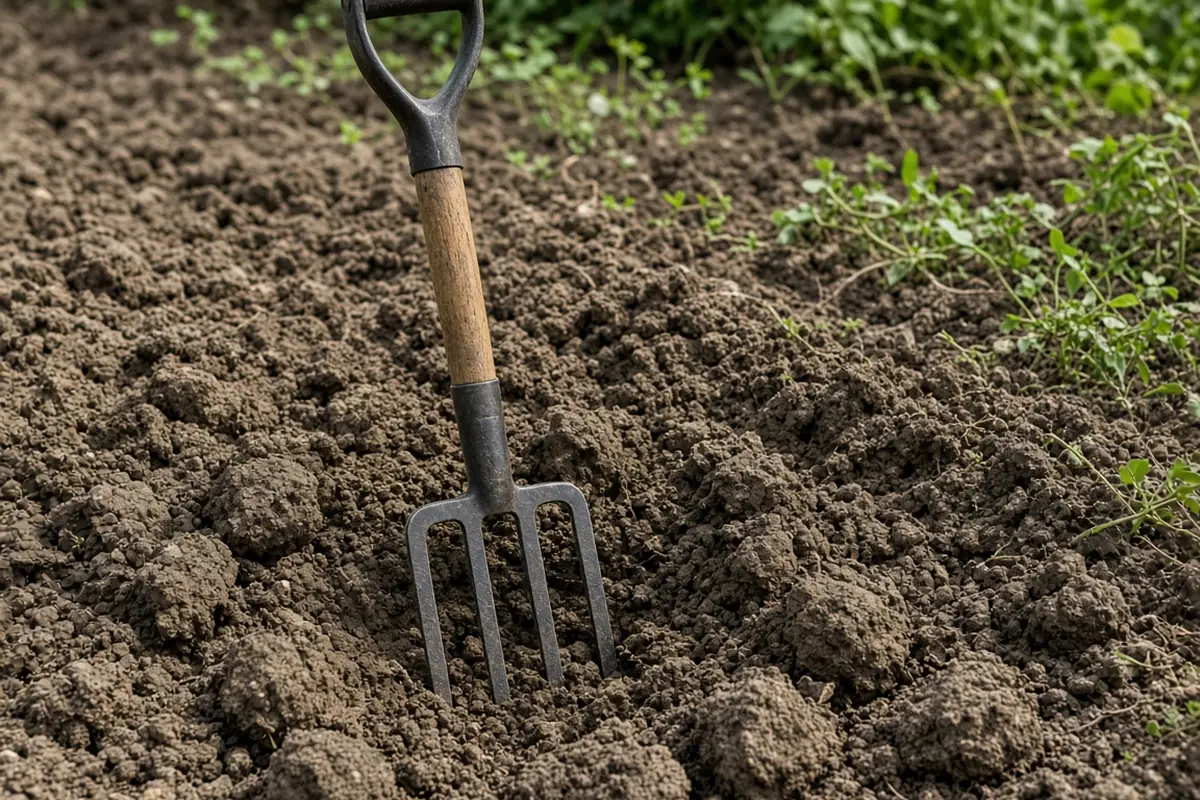
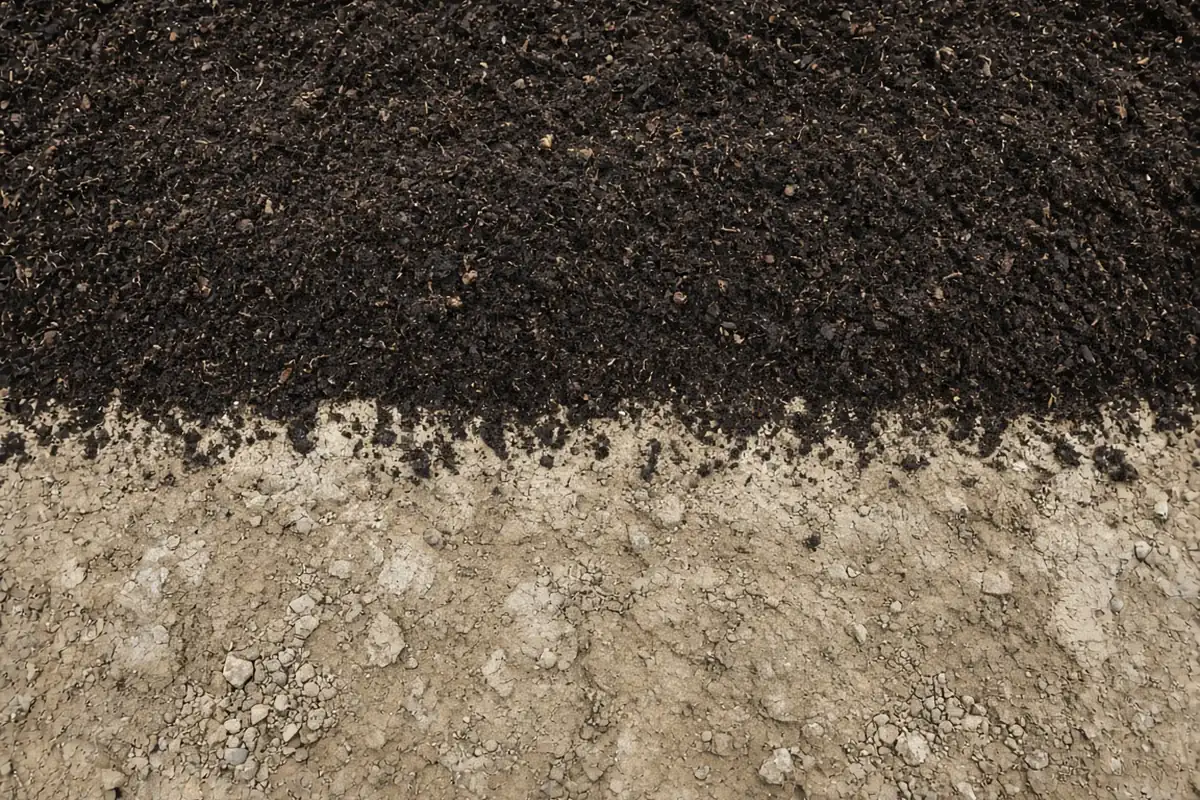
NC State Extension recommends tilling compacted soil and adding composted leaves, grass or bark. Till amendments in rather than leaving them on top. The NC State gardener handbook says deep cultivation mixes the top 6 inches to 2 feet. For large areas, add amendments no deeper than half the tiller tine depth, usually 3 to 4 inches, at a time. More in soil compaction in cannabis beds.
When are raised beds better?
NC State Extension says topsoil suits smaller areas such as raised beds. The handbook warns that bought topsoil has no standards and may carry weed seeds. See buying topsoil for cannabis beds.
Fill dirt basics
| Problem | Fix | Source |
|---|---|---|
| Compaction | Till or deep cultivation | NC State |
| Low organic matter | Composted material | NC State |
| Topsoil on top | Mix it in | NC State |
| Unknown soil | Core and soil survey | UF IFAS |
| Very poor fill | Raised beds | NC State |
Sources: NC State Extension, WSU Extension, UF IFAS Extension.
How to: step by step
- Remove construction debris.
- Send a soil sample for pH and nutrients.
- Loosen compacted layers deeply.
- Till in composted organic matter.
- Avoid digging when soil is wet or very dry.
- Build raised beds where fill is very poor.
Troubleshooting
Water pools: compacted subsoil. Loosen deeply.
Stunted plants: low organic matter. Add compost.
Rubble when digging: debris. Pull it out or build beds above.
Look at what you have
WSU Extension notes construction can mix debris into soil and strip topsoil. Dig in a few spots to check topsoil depth.
Builder fill can become a good bed. Kind Seed Co shares more soil notes on the blog.
Sources
- Modifying soil for plant growth around your home, NC State Extension
- Pacific Northwest Gardener’s Handbook, chapter 5: Urban soil management, Washington State University Extension
- Preplant soil assessment for new residential landscapes in Florida (SS534), UF IFAS Extension
- Extension Gardener Handbook, chapter 1: Soils and plant nutrients, NC State Extension
FAQ
What is the difference between fill dirt and topsoil?
NC State Extension says builders often remove topsoil and leave compacted subsoil at the surface. UF IFAS notes imported fill soils change soil properties. Topsoil is usually richer and holds more roots.
Can I just add topsoil on top?
NC State Extension advises tilling topsoil or amendments into the existing soil rather than laying them on top. A layer of new topsoil over a compacted layer can cause drainage problems where the two meet.
How long does it take to improve fill?
Extension sources give no timeline. NC State Extension notes that without organic amendments the benefits of tilling may fade as soil settles, and sandy soils need compost added more often.
Should I till fill dirt?
NC State Extension highly recommends tilling compacted soils to loosen them. Deep cultivation mixes the top 6 inches to 2 feet. Avoid working soil when it is wet or very dry, as that harms structure.
What compost should I use?
NC State Extension says to use materials that are already composted, such as composted leaves, grass or bark. Fresh organic material settles as it breaks down.



