
Hedge Trimming Wildlife Tips: Cut Outside Nesting Season
The short answer
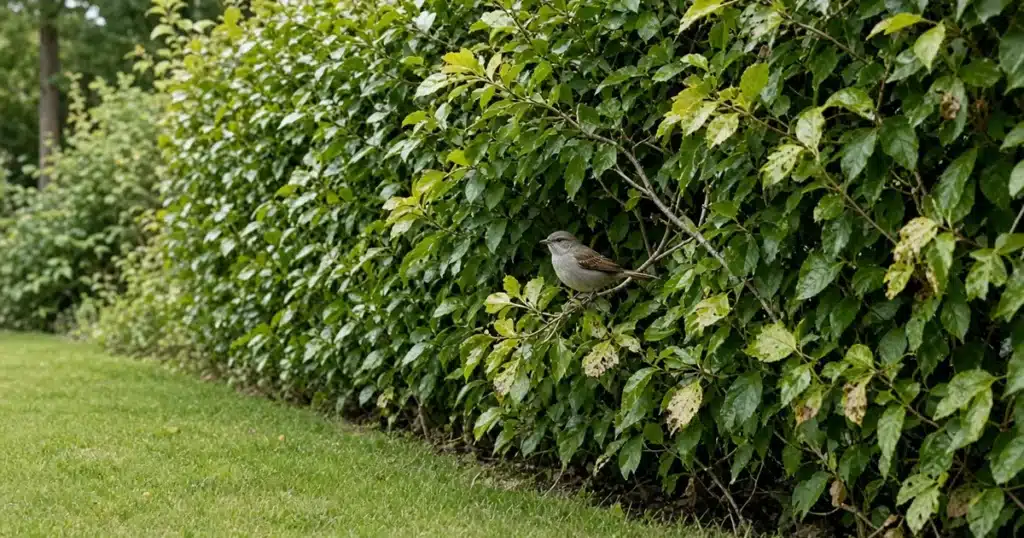
The core of hedge trimming wildlife advice is timing. NC State Extension says to avoid pruning trees and shrubs during the nesting season, from early March through late July. Iowa State says late in the dormant season is the right time for major work on most deciduous hedges. Whenever you cut, look for nests first.
When should you trim hedges for wildlife?
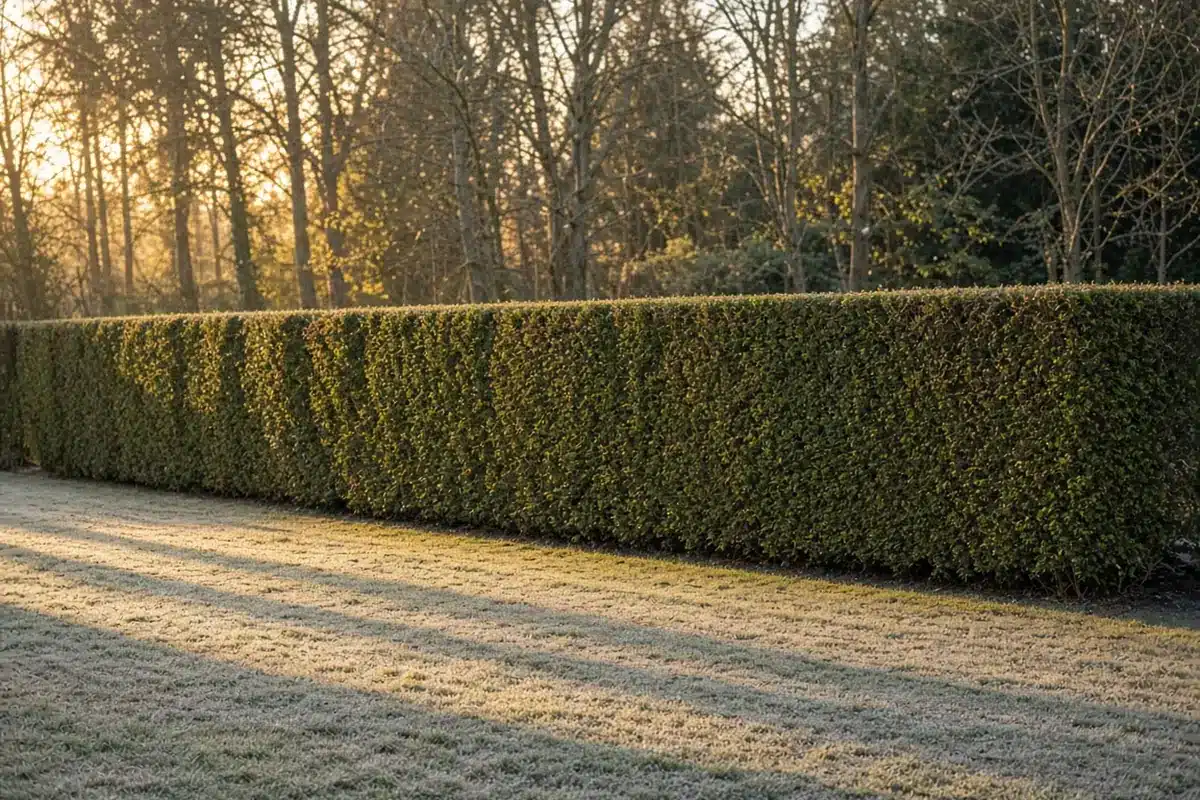
Save the big cuts for the dormant season. Iowa State University Extension says extensive pruning of most deciduous hedges is done late in the dormant season, which is late February and March in Iowa. Tufts University’s wildlife clinic says the right time to prune and trim is when trees and bushes are dormant, which also avoids the active nesting season.
Nesting dates differ by region. NC State Extension gives early March through late July for North Carolina, and it notes that new nesting seasons begin in early March there. Bird nests can be damaged or exposed to predators and weather if the growth around them is removed.
Some hedges need different timing. Iowa State says pruning a spring flowering hedge such as lilac in the dormant season removes many of its flowers, so prune those right after bloom. Early spring is usually the time to begin on evergreen hedges. Formal hedges often need trimming 2 to 4 times during the growing season, so check for nests before each pass.
How do you check a hedge for nests?
Tufts says the most important step is to look before you cut. Large nests are easy to spot, but most songbird nests are small and hidden. If you see a new or occupied nest, consider postponing your pruning until the young are grown. If you must trim during spring and summer, Tufts suggests hiring trimmers who are wildlife friendly.
Also check brush piles and dead wood before removal, since Tufts notes they can be prime nesting spots. For more on how birds use garden plants, see birds and cannabis.
How can hedges support birds and insects?
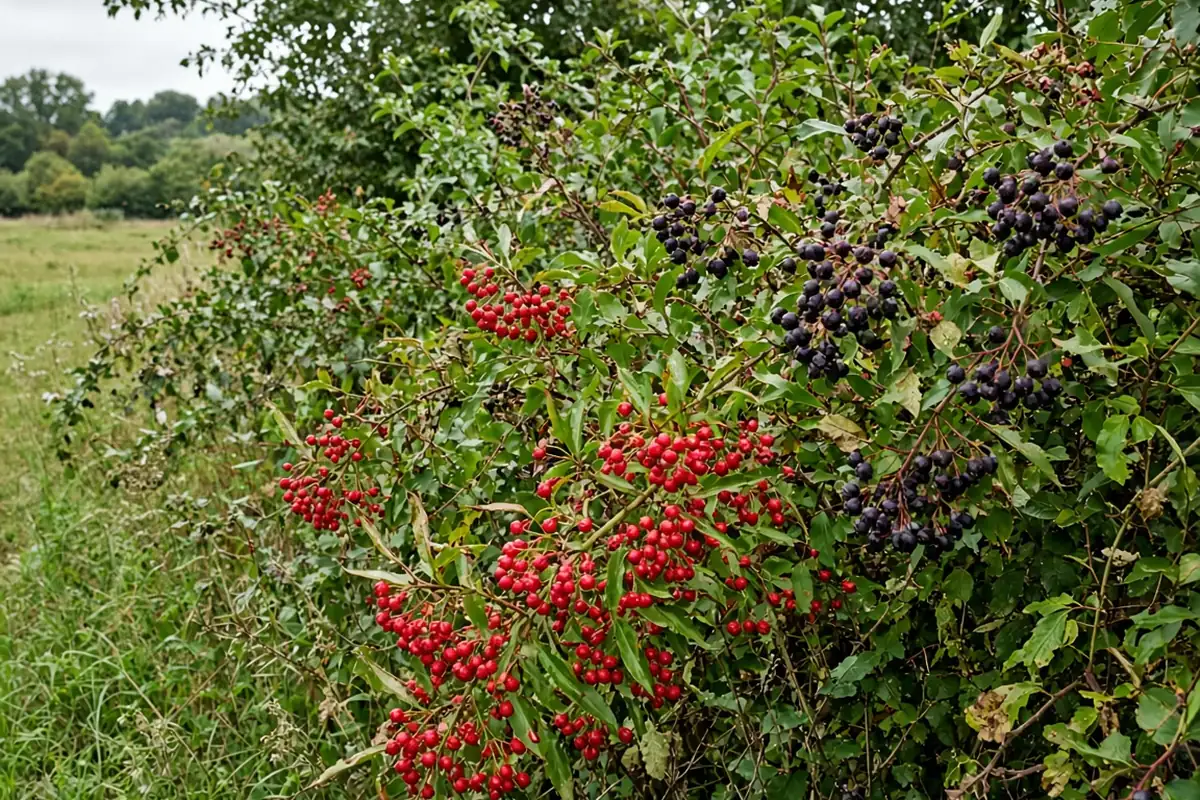
Hedges give food and cover. Oregon State University Extension says dense or thorny shrub thickets give songbirds a refuge from predators and a place to nest. Berry producing plants draw birds that also eat common crop pests. Flowering shrubs give nectar and pollen for pollinators and beneficial insects.
University of Florida IFAS says birds are attracted to areas that are structurally diverse, which give shelter and nest sites. University of Missouri Extension says layers of structure provide cover, nesting, roosting and food, and that some birds, such as towhees and brown thrashers, use dense brush in lower layers. NC State adds that evergreens and dense shrubs give birds roosting spots all year, especially in winter. For more on yard conditions, read garden microclimates.
| Season | Wildlife activity | Trimming note |
|---|---|---|
| Late winter | Before most nesting | Main cut for deciduous hedges |
| Early March to late July | Nesting season in North Carolina | Avoid pruning, look for nests |
| After spring bloom | Nesting may be under way | Lilac type hedges are pruned now, check first |
| Winter | Birds use evergreens for roosting | Leave dense evergreen cover |
Sources: NC State Extension, Iowa State University Extension, Tufts University, Oregon State University Extension.
How to: step by step
- Plan major trimming for late in the dormant season.
- Walk the hedge and watch for birds going in and out.
- Look carefully for nests before cutting.
- Leave active nests and the growth around them alone.
- Trim lightly during the growing season.
- Leave some sections dense or untrimmed for cover.
- Check brush piles before removing them.
Iowa State says a pyramidal shape, wider at the base, lets lower branches get the sunlight needed for a dense hedge from top to bottom. For pruning basics on other plants, see pruning marijuana plants.
Troubleshooting
Birds flushing from the hedge: possible active nest, so wait until the young are grown.
Thin, open hedge at the base: shape, so trim the base wider than the top.
Few birds visit: little cover or food. Add berry and flowering shrubs and leave some dense growth.
Lilac hedge with no flowers: dormant season cut, so prune right after bloom next time.
Found a nest after cutting: Tufts says to place the nest securely back in the shrub it came from.
Time the cut and look first
Late winter work and a careful look before each pass go a long way for birds. The Kind Seed Co blog has more on gardens and wildlife.
Sources
- How to prune formal hedges, Iowa State University Extension
- Managing backyards and other urban habitats for birds, NC State Extension
- Yardwork considerations, Tufts Wildlife Clinic, Tufts University
- A guide to hedgerows (EM 8721), Oregon State University Extension
- Landscaping backyards for wildlife (UW175), University of Florida IFAS Extension
- Improving habitats for wildlife in your backyard (G9500), University of Missouri Extension
FAQ
Is late summer trimming a good choice for birds?
It depends on your area. NC State Extension gives early March through late July as the nesting season in North Carolina. Dates differ by region. Tufts University says to look for nests before any cut and to delay work if you find an occupied nest.
Do evergreen hedges need different timing?
Yes. Iowa State University Extension says early spring is usually the time to begin pruning evergreen hedges, while deciduous hedges are cut late in the dormant season. Since spring overlaps with nesting, check carefully before each cut and leave any area with an active nest.
How often should hedges be trimmed?
Iowa State University Extension says most formal deciduous and evergreen hedges need pruning 2 to 4 times or more during the growing season to stay well shaped. Informal hedges can be left to grow more naturally, which offers more cover for birds.
Which hedge plants are good for birds?
Oregon State University Extension says dense or thorny shrub thickets give songbirds refuge and nest sites, and berry producing plants draw birds that eat crop pests. NC State Extension says evergreens such as American holly, yaupon and wax myrtle give winter cover and roosting spots.
What if I disturb a nest by accident?
Tufts University's wildlife clinic says to place the nest securely back in the tree or shrub it came from. If the nest is too damaged and the eggs or young are intact, it suggests a small box with drainage holes, and a wildlife rehabilitator if the parents do not return.


