
Gourds Rotting on Vine: Ground Contact plus Wet Weather
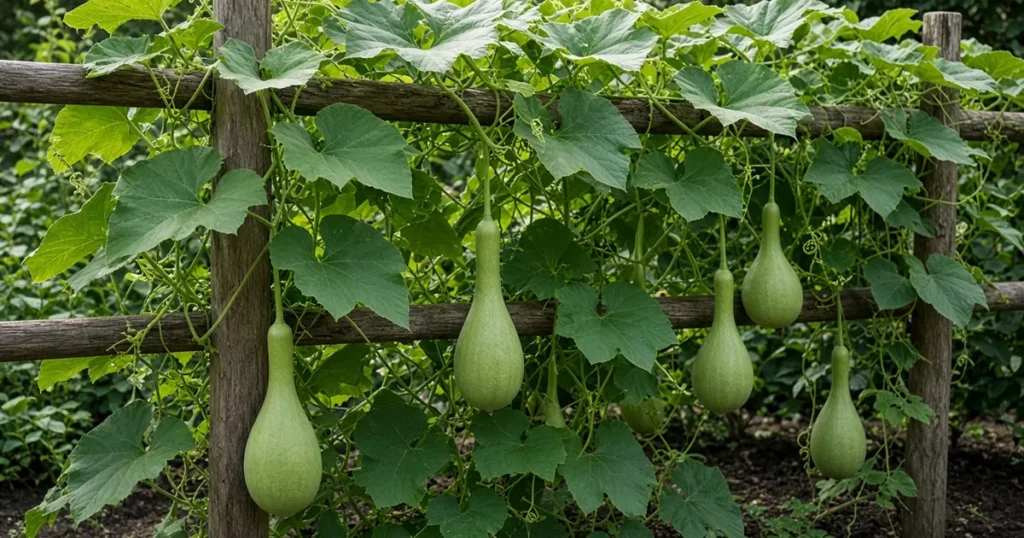
Gourds rotting on vine usually sit on damp soil or stay wet through long spells of rain. Purdue Extension advises supporting fruits off the soil surface, while North Carolina Extension notes supports hold ornamental fruit off the ground. Soil, watering plus harvest timing all play a part.
The short answer
Gourds rotting on vine usually touch wet soil or stay damp too long. Purdue advises supporting fruit off the soil plus turning it now plus then. Grow vines on a trellis or fence where you can, water at the base early in the day plus harvest when stems turn brown.
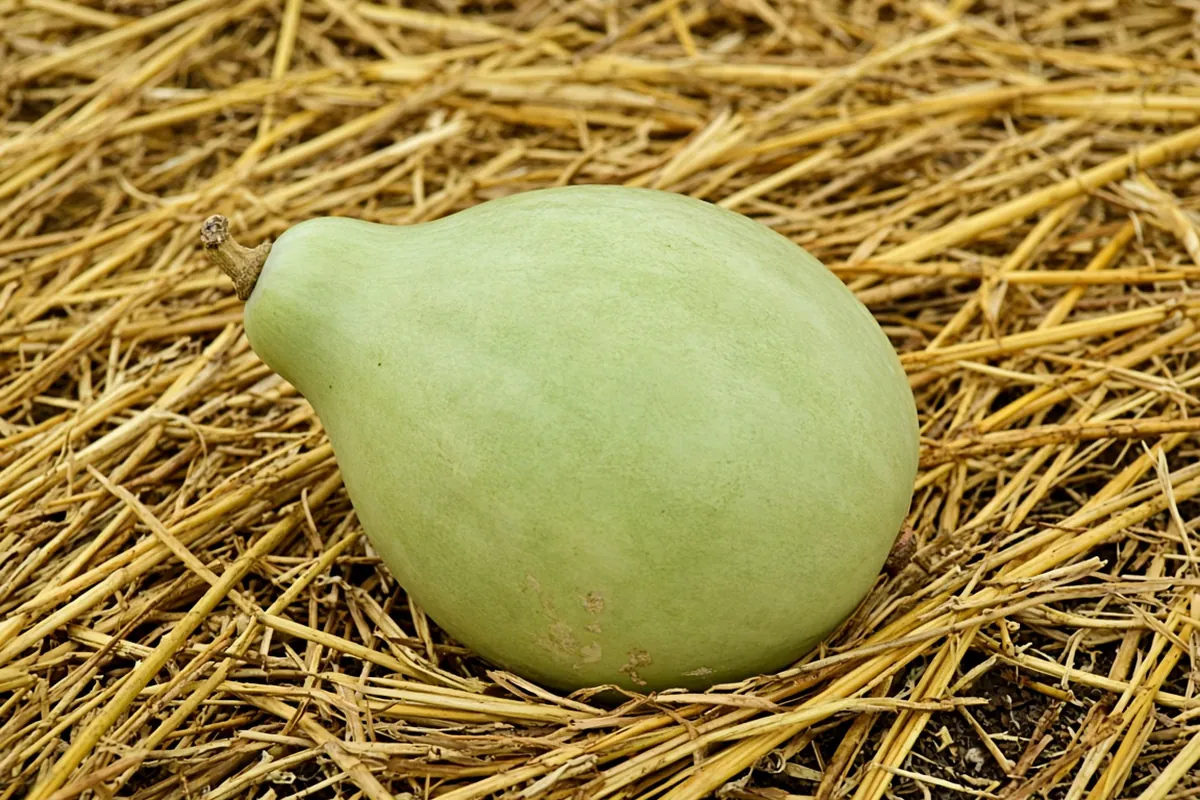
Why are my gourds rotting on the vine?
Fruit resting on wet soil stays damp underneath, giving decay organisms a place to start. Purdue notes gourds grow well in well drained soil plus advises against watering late in the evening.
| Factor | Target | Source |
|---|---|---|
| Fruit position | Off the soil surface | Purdue plus NC State |
| Soil | Well drained | Purdue plus NC State |
| Water | 1 inch per week | Purdue |
| Watering time | Not late evening | Purdue |
| Harvest sign | Brown, drying stem | Iowa State plus LSU |
Source: Purdue, Iowa State, LSU AgCenter plus NC State Extension.
Should gourds sit on the ground?
Purdue advises supporting fruits off the soil surface for ground culture plus rotating them occasionally. NC State notes supports hold ornamental fruit off the ground. Vines can also climb fences or trellises to save space.
When are gourds ready to pick?
LSU AgCenter notes hard shell gourds are ready when the rind hardens, or wait until stems dry plus turn brown. Cut the stem instead of twisting or pulling, plus harvest before frost.

How to: step by step
- Plant in well drained soil in full sun.
- Train vines onto a fence or trellis where possible.
- Raise ground fruit off the soil.
- Water at the base, not late in the evening.
- Harvest when the stem turns brown.
- Dry gourds in a warm, airy place.
Troubleshooting
Soft patch under the fruit: ground contact. Lift it off the soil.
Rot after wet weeks: soggy soil. Improve drainage next season.
Soft fruit at harvest: immature. Discard it plus pick later next time.
For more on outdoor growing see the effects of environmental stresses on weed plants, the guide to overwatering and cannabis growth plus mulch for cannabis. Kind Seed Co also stocks cannabis seeds.
Sources
- Gourds (HO-135), Purdue Extension
- When should I harvest gourds?, Iowa State University Extension and Outreach
- Harvesting and curing hard-shell gourds, LSU AgCenter
- Lagenaria siceraria (bottle gourd), NC State Extension Gardener Plant Toolbox
FAQ
Is mold normal while gourds dry?
Some surface mold is common. LSU AgCenter notes washing fruit in warm, soapy water plus wiping it with rubbing alcohol stops mold from discoloring the skin. Hang clean gourds in a warm, dry, airy place plus turn them now plus then. Discard any fruit that turns soft or shrivels.
Do trellised gourds rot less?
Fruit hanging on a trellis stays off wet soil plus dries faster after rain. Purdue notes vines can be trained onto fences or trellises plus advises a site away from wind whipping. NC State notes supports hold ornamental fruit off the ground, which lowers the risk of rot.
How long do gourds take to dry?
Iowa State notes the outer skin dries plus hardens in about one to two weeks, while internal drying takes several more weeks. LSU AgCenter notes the full process takes one to six months depending on type plus size. Turn fruit occasionally plus check for soft spots.
Which gourds should be thrown out?
LSU AgCenter advises discarding any diseased, bruised or immature, soft skinned fruit before drying. Iowa State notes washing harvested gourds in warm, soapy water removes dirt plus decay organisms that could lead to rot. Dry each fruit with a soft cloth before hanging it in a warm, airy spot.
Should gourds be picked before frost?
Yes. Purdue notes the fruits should be harvested before cold weather because frost can damage them, especially immature fruit. LSU AgCenter also advises harvesting hard shell gourds before frost. Cut stems with shears, leaving a few inches attached, rather than twisting or pulling the fruit from the vine.



