
Peppers Small Fruit: Variety, Heat plus Feeding
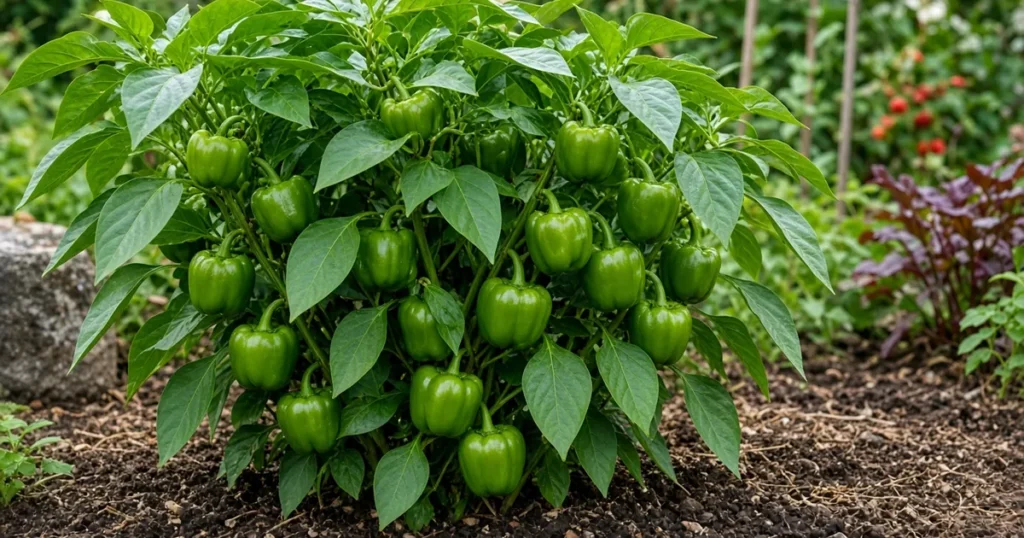
Peppers small fruit problems usually trace to the variety, the weather or the way plants are fed plus watered. University of Minnesota Extension notes too much nitrogen leads to leafy plants slow to bear, while Oregon State University Extension notes cool days plus nights slow fruit as it matures.
The short answer
Peppers small fruit often comes from a small fruited variety, cool or hot weather, uneven water or heavy nitrogen. Minnesota notes too much nitrogen gives bushy, leafy plants slow to bear. Oregon State notes cool weather can add 15 to 20 days before fruit matures. Mulch plus water evenly.
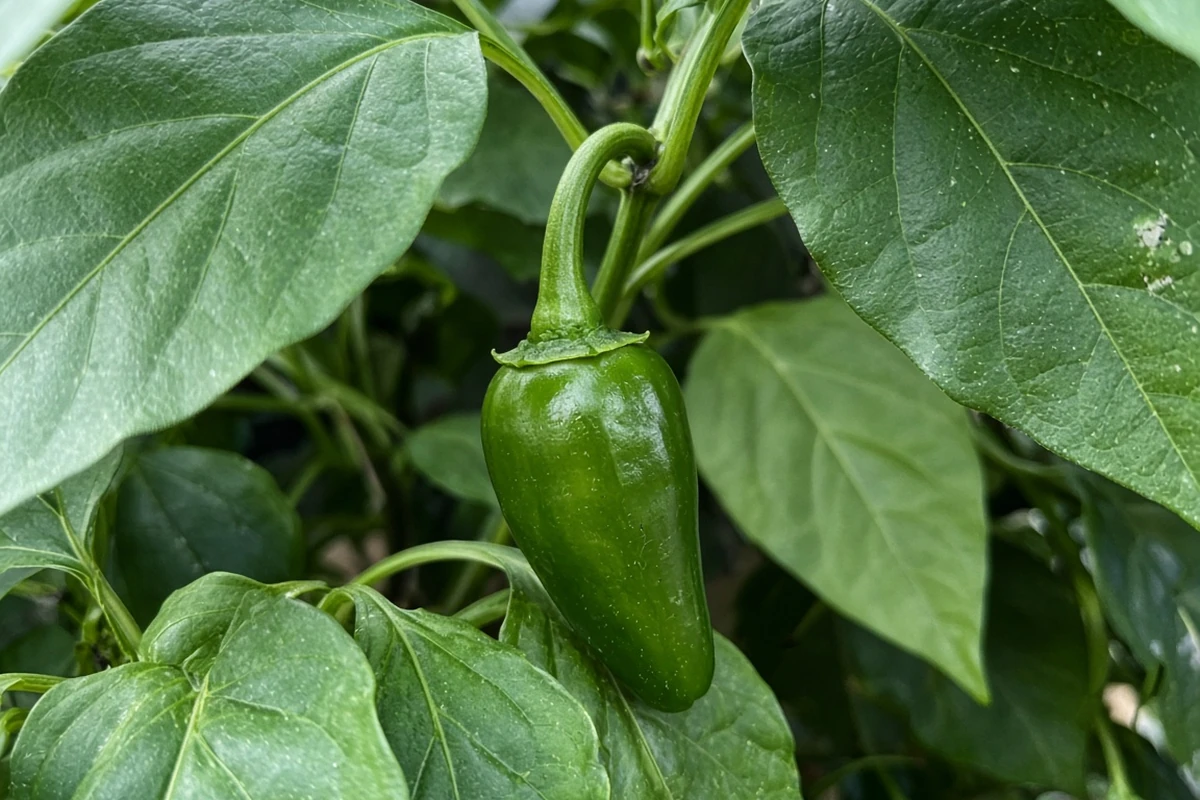
Why are my peppers so small?
Some varieties just bear small fruit. NC State notes pepper varieties vary widely in fruit size, color plus shape. If a large fruited type stays small, check weather, water plus feeding.
| Factor | Target | Source |
|---|---|---|
| Planting out | Nights above 50°F | Minnesota |
| Nitrogen | Moderate, not heavy | Minnesota |
| Phosphorus | Low unless soil report calls for more | Minnesota |
| Mulch | Black plastic | Minnesota |
| Cool seasons | Row covers or plastic mulch | Oregon State |
Source: University of Minnesota, Oregon State plus NC State Extension.
Does variety affect pepper size?
Yes. Oregon State notes peppers can be big like a potato or small like a bean. Minnesota notes smaller fruited peppers tolerate both cool plus hot temperatures better, so they often fill out where big bells struggle. Read days to maturity before buying.
How do heat plus water affect pepper size?
Minnesota notes smaller fruited types handle heat plus cold better than big bells. Oregon State notes cool weather can add 15 to 20 days for fruit to mature. Minnesota suggests black plastic mulch to warm soil plus hold moisture.

How to: step by step
- Choose a variety suited to your season.
- Plant out after nights stay above 50°F.
- Lay black plastic mulch to warm soil.
- Water evenly all summer.
- Feed moderately with low phosphorus.
- Add row covers in cool spells.
Troubleshooting
Leafy plants with small fruit: excess nitrogen. Feed less.
Fruit slow to size in a cool summer: low warmth. Add row covers or plastic mulch.
Small fruit each year: small fruited variety. Choose a larger type.
For more on outdoor growing see the effects of environmental stresses on weed plants, cannabis heat stress plus underwatering cannabis. Kind Seed Co also stocks cannabis seeds.
Sources
- Growing peppers, University of Minnesota Extension
- Grow your own peppers (EC 1227), Oregon State University Extension
- Capsicum annuum (pepper), NC State Extension Gardener Plant Toolbox
FAQ
Are some pepper varieties naturally small?
Yes. Oregon State University Extension notes peppers range from as big as a potato to as small as a bean. NC State notes varieties vary in fruit size, color plus shape. A small fruited type will never match a bell, so check the seed description before judging your plants.
Can peppers grow well in containers?
Yes. Oregon State notes peppers give a large yield in a small amount of space, which makes them suitable for containers plus other small spaces. Use a large pot, water evenly plus feed moderately. Pots dry out quickly in summer, so check soil moisture often to help fruit size up.
How long do peppers take to mature?
University of Minnesota Extension advises checking the days to maturity listed for each variety. Oregon State notes low day plus night temperatures can add an extra 15 to 20 days for fruit to mature. Row covers, plastic mulch or a greenhouse give fruit more warmth in short or cool seasons.
When should pepper transplants go outside?
University of Minnesota Extension advises transplanting peppers outdoors after nighttime lows stay above 50°F. It also advises black plastic mulch to warm the soil, cut weeds plus hold moisture. Cold soil early in the season slows growth, which leaves less time for fruit to reach full size.
Can too much nitrogen shrink peppers?
University of Minnesota Extension notes too much nitrogen leads to plants that are bushy, leafy plus slow to bear fruit. It advises a low or no phosphorus fertilizer unless your soil report calls for more. Moderate feeding sends more of the plant's energy into fruit rather than extra leaves.



