Grow Light for Agave: Tight, Colorful Rosettes Indoors
The short answer
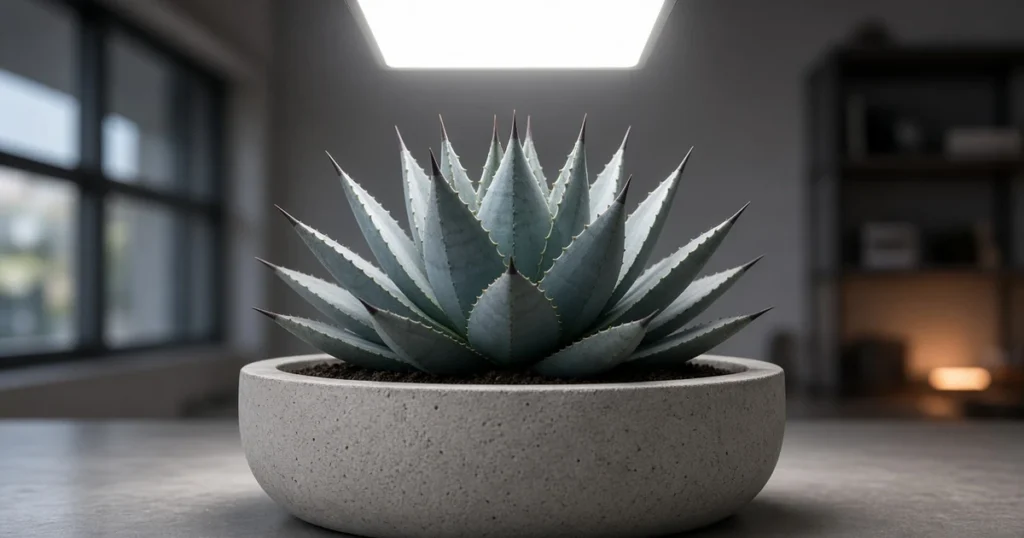
A grow light for agave needs to be bright, since agaves are full sun plants. NC State Extension says agaves require full sun and sharply drained soil. Weak indoor light leads to long, pale growth. A bright full spectrum LED close to the plant for 14 to 16 hours a day helps the rosette stay tight and colorful.
How much light does agave need?
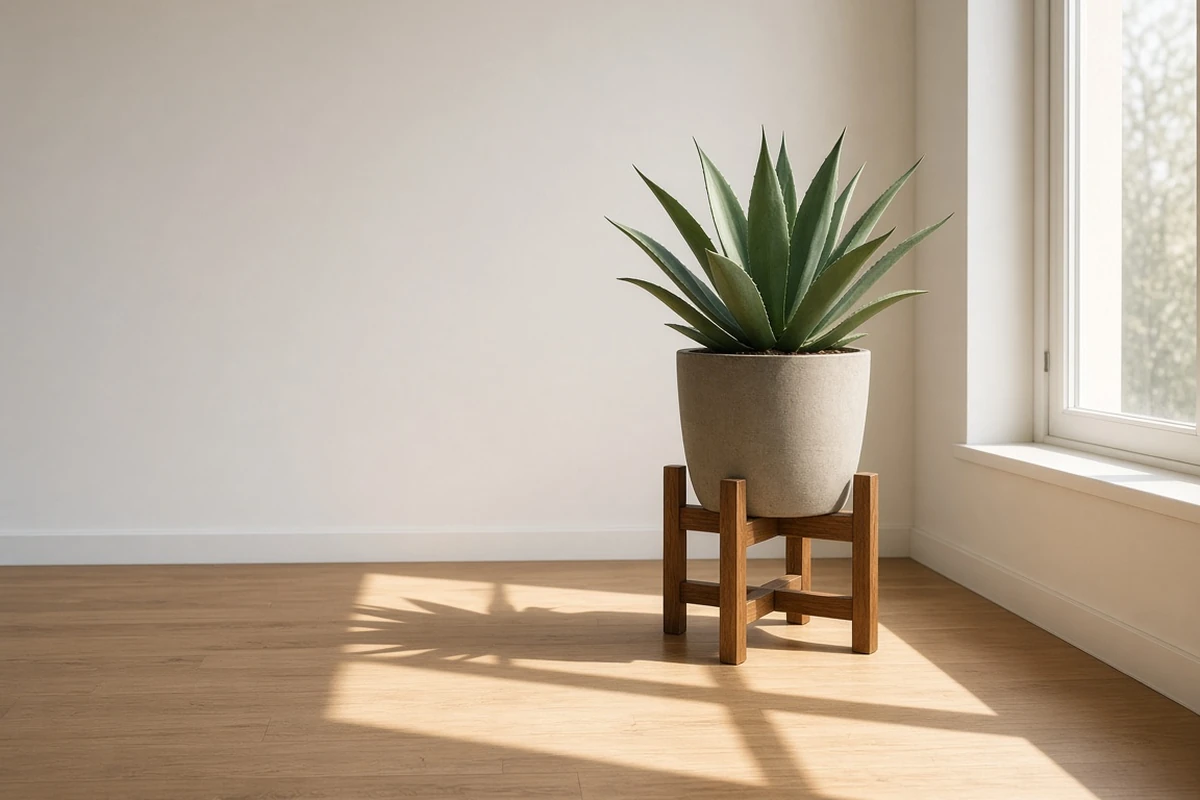
Agaves are native to deserts in Mexico and the Southwestern United States, as NC State and UF IFAS note. NC State lists full sun, and UF IFAS rates them for full sun or partial shade outdoors. University of Minnesota Extension says succulents need lots of light and should sit in a bright, sunny window. Missouri Extension adds that most cacti and succulents need high light and do poorly under lights alone. Read grow lights for cannabis for more.
Which grow light suits agave?
A bright full spectrum LED suits agave. Oklahoma State Extension notes LEDs are energy efficient and give off little heat from the front, since heat leaves through a heat sink. So the light can sit close to plants. University of Minnesota Extension suggests 6 to 12 inches for succulents. Check led light distance cannabis before you set the height.
How do you tell if agave has the right light?
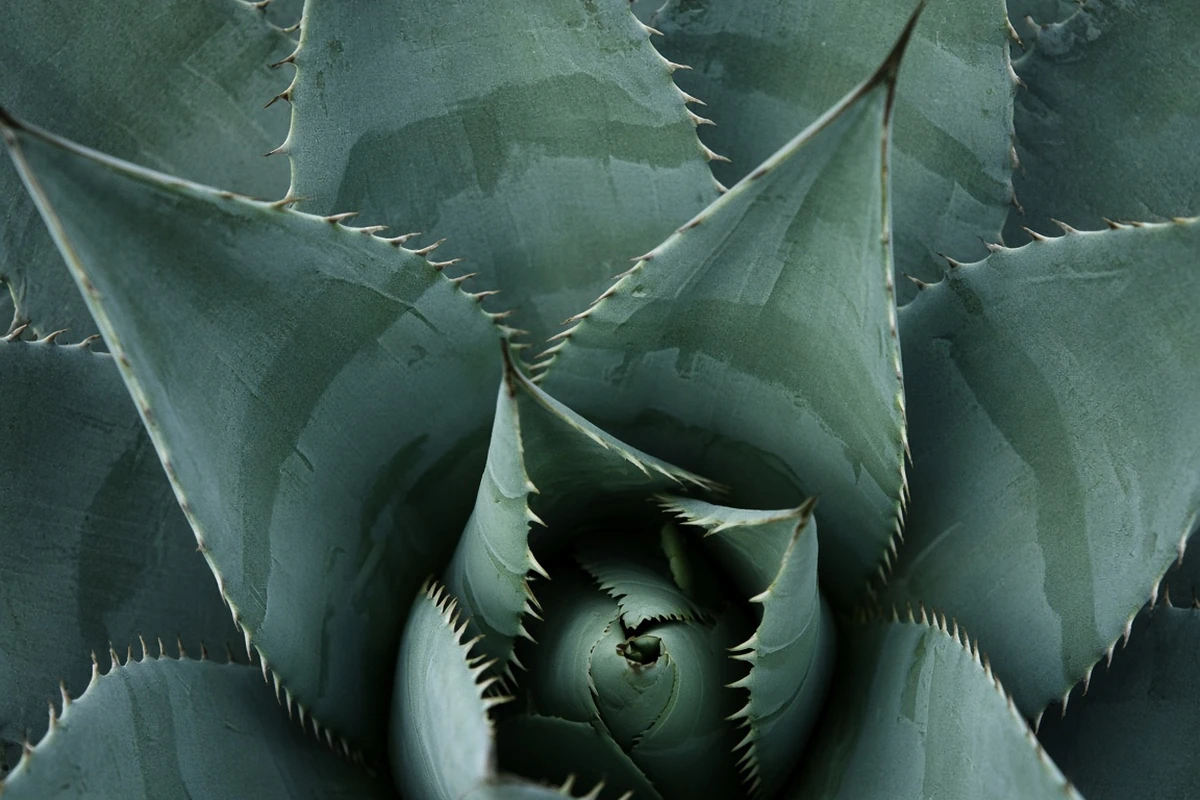
Missouri Extension lists the signs of low light as long gaps between leaves, smaller new growth, pale color and lower leaves that yellow and drop. On agave, watch for new leaves that are longer, thinner and paler than old ones. A tight rosette with even color means the light is about right. Set grow light timers so the schedule never drifts.
Agave light basics
| Factor | Target | Notes |
|---|---|---|
| Light | Full sun | NC State |
| Distance | 6 to 12 inches | Succulent range |
| Hours | 14 to 16 a day | University of Minnesota |
| Soil | Sharply drained | Root rot in wet soil |
| Water | Sparingly | High drought tolerance |
Sources: NC State Extension, UF IFAS Extension, University of Minnesota Extension, University of Missouri Extension, Oklahoma State University Extension.
How to: step by step
- Start agave in the brightest window spot you have.
- Pick a full spectrum LED for extra light.
- Hang the light at the maker’s suggested distance.
- Run a timer for a steady day length.
- Watch new growth for a few weeks.
- Adjust height or hours in small steps.
Troubleshooting
Long, pale new leaves: too little light. Lower the light or add hours.
Loose rosette: weak light. Move to a sunnier window and add a lamp.
Soft base: wet soil, not light. Water less, per NC State.
Agave grows slowly, so changes take weeks. Kind Seed Co shelf growers who also raise cannabis seeds can run the same timer, with the agave close to its own bright lamp.
Sources
- Agave spp.: agave, century plant (FP022), UF/IFAS Extension
- Agave (century plant), NC State Extension Gardener Plant Toolbox
- Agave, cacti and succulents, UF IFAS Gardening Solutions
- LED grow lights for plant production, Oklahoma State University Extension
- Cacti and succulents, University of Minnesota Extension
- Lighting indoor houseplants (G6515), University of Missouri Extension
FAQ
Can agave live indoors?
Some can. NC State notes some agaves suit containers and houseplants, while others grow up to 10 feet tall and 15 feet wide. Pick a small species for indoors and give it your brightest spot, since agaves want full sun.
How intense a light does agave need?
Agave is a full sun plant, according to NC State. University of Minnesota Extension says succulents need lots of light and suggests lights 6 to 12 inches above the plants. Missouri Extension notes most high light plants do poorly under lights alone, so pair a lamp with a sunny window.
Why is my agave stretching?
Stretching is a sign of too little light. Missouri Extension lists long gaps between leaves, smaller new growth and pale color as signs a plant needs more light. Move the agave to a sunnier window or lower the light a little and watch the next leaves.
Do agaves need a dark period?
University of Minnesota Extension suggests running lights 14 to 16 hours a day for succulents. That schedule leaves 8 to 10 hours of darkness each night. A plug in timer holds the day length the same every day.
How often should I water agave?
Agave has high drought tolerance, according to UF IFAS. NC State notes root rot can occur from wet soil and overwatering. Grow it in a sharply drained mix and water only when the soil has dried out, then let excess water drain away.