Grow Light for Euphorbia: Columnar and Round Types Indoors
The short answer
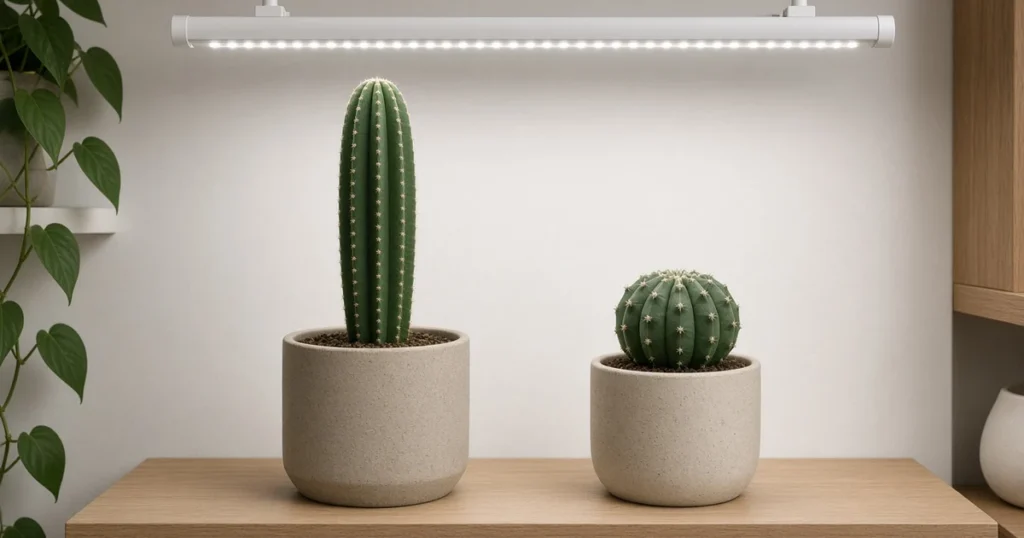
A grow light for euphorbia should be bright. NC State Extension says most euphorbias thrive in full sun or bright, indirect light with some afternoon shade. Columnar types such as African milk tree want bright, indirect light indoors. A full spectrum LED set 6 to 12 inches above the top for 14 to 16 hours a day suits most.
How much light does euphorbia need?
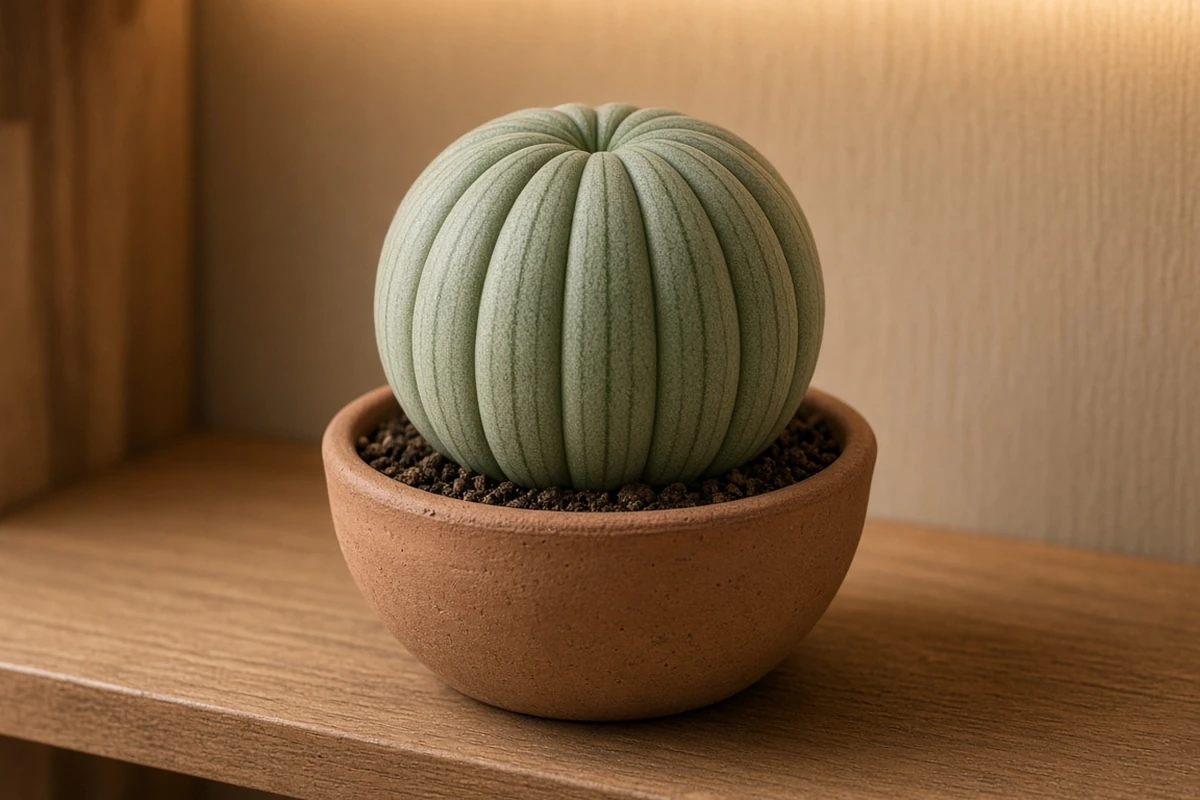
NC State says Euphorbia is a genus of over 2,000 species. Many succulent kinds look like cacti. NC State lists full sun or bright, indirect light for most. African milk tree needs bright, indirect light indoors and partial sun outdoors. UF IFAS says crown of thorns thrives in full sun. University of Minnesota Extension says succulents need lots of light. See grow lights for cannabis.
Which grow light suits euphorbia?
Choose a full spectrum LED that covers the whole plant. University of Minnesota Extension suggests lights 6 to 12 inches above succulents for 14 to 16 hours a day. Raise the light as tall columnar plants grow so the tip doesn’t get too close. Compare setups in led light distance cannabis.
How do you tell if euphorbia has the right light?
Missouri Extension lists long gaps between leaves, smaller new growth, pale color and yellow lower leaves as signs of low light. On euphorbias, watch for narrow new growth at the tip and a plant that leans toward the window. Run the lamp on grow light timers so each day is the same length.
Euphorbia light basics
| Factor | Target | Notes |
|---|---|---|
| Light | Full sun or bright, indirect | Varies by species |
| Distance | 6 to 12 inches | Succulent range |
| Hours | 14 to 16 a day | University of Minnesota |
| Water | Let soil dry | Top 1 to 2 inches for milk tree |
| Temperature | 65 to 85°F | African milk tree |
Sources: NC State Extension, UF IFAS Extension, University of Minnesota Extension, University of Missouri Extension.

How to: step by step
- Start euphorbia in the brightest window spot you have.
- Pick a full spectrum LED for extra light.
- Hang the light at the maker’s suggested distance.
- Run a timer for a steady day length.
- Watch new growth for a few weeks.
- Adjust height or hours in small steps.
Troubleshooting
Leaning stems: light from one side. Add one from above.
Narrow, pale tips: too dim. Lower the light a little.
Soft stems: wet soil, not light. Let it dry, per NC State.
Columnar and round euphorbias can share a shelf if you set each at its own distance. Kind Seed Co readers who start cannabis seeds indoors can run both on one timer.
Sources
- Euphorbia, NC State Extension Gardener Plant Toolbox
- Euphorbia trigona (African milk tree), NC State Extension Gardener Plant Toolbox
- Crown of thorns, UF IFAS Gardening Solutions
- Cacti and succulents, University of Minnesota Extension
- Lighting indoor houseplants (G6515), University of Missouri Extension
FAQ
Is euphorbia a cactus?
No. NC State explains that Euphorbia is a large genus called spurge, and many succulent species only resemble cacti. African milk tree, for example, is spiny and fleshy like a cactus but belongs to the spurge family. Cacti are almost all native to the Americas.
How much light does African milk tree need?
NC State says African milk tree needs bright, indirect light indoors and partial sun outdoors. A spot near a bright window with a full spectrum LED 6 to 12 inches above the top works well. Raise the light if the stems show red or pale patches.
Why is my euphorbia leaning?
A leaning plant often gets light mostly from one side. Missouri Extension lists long gaps between leaves and pale growth as signs of too little light. Add a lamp above the plant so light falls from the top, and lower it slowly if the lean continues.
Can euphorbia take direct sun indoors?
Many can. NC State says most euphorbias thrive in full sun or bright, indirect light and like some afternoon shade. UF IFAS lists crown of thorns for full sun. Columnar types such as African milk tree do better with bright, indirect light indoors.
How often should I water euphorbia?
Let the soil dry out between waterings, as NC State advises for houseplants. For African milk tree, NC State suggests watering when the top 1 to 2 inches feel dry. Many store water in thick stems and handle dry spells well.