Grow Light for Rosemary Indoors in Winter
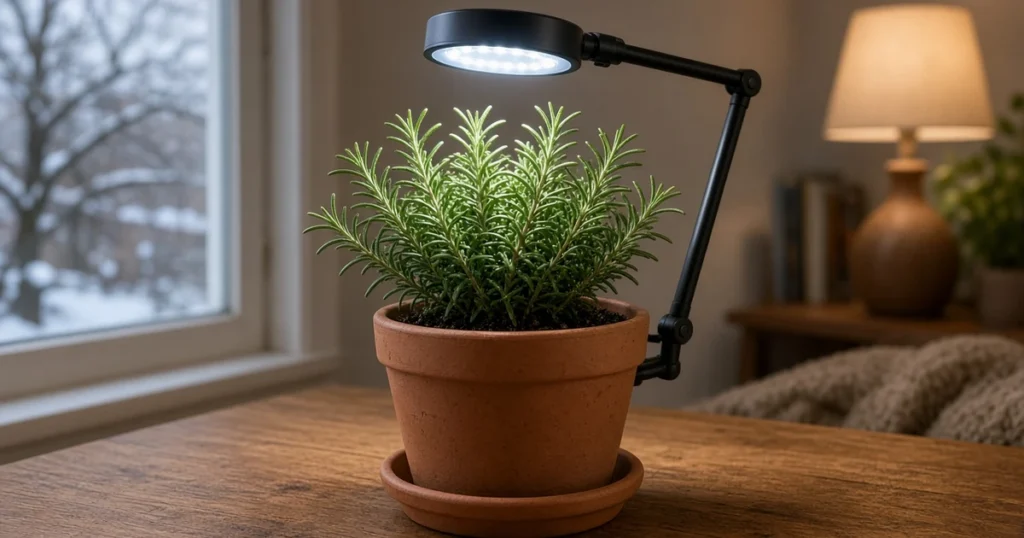
A grow light for rosemary indoors helps this sun loving herb get through winter. University of Wisconsin Madison Extension notes rosemary grows in full sun plus is grown as a potted plant brought inside before frost. NC State Extension notes it can be difficult to overwinter indoors, so extra light helps.
The short answer
Rosemary needs full sun, which NC State Extension defines as six or more hours of direct sun a day. Winter windows often fall short. University of Minnesota Extension advises a timer for supplemental light plus lists 6 to 12 inches plus 12 to 14 hours a day for herbs grown under lights hydroponically.

How much light does rosemary need indoors?
NC State Extension lists full sun, six or more hours of direct sunlight a day. UF/IFAS Gardening Solutions urges at least six hours of sun. University of Minnesota Extension lists culinary herbs among high light plants for south or southwest windows.
| Factor | Target | Tip |
|---|---|---|
| Light | Six or more hours of direct sun | Add a grow light in winter |
| Distance | 6 to 12 inches for herbs under lights | Raise it if leaves bleach |
| Hours | 12 to 14 hours for herbs under lights | Use a timer |
| Water | Moist but well drained | Avoid overwatering |
Source: NC State Extension plus University of Minnesota Extension.
Which grow light suits it?
University of Minnesota Extension notes LED lights are very energy efficient plus long lasting. It notes white or balanced lights suit most plants at every growth stage.
How far away plus how long should the light run?
University of Minnesota Extension lists 6 to 12 inches plus 12 to 14 hours a day for hydroponic lettuce plus herbs. It advises a timer for supplemental light. PPFD falls as plants sit farther from the light.
How to: step by step
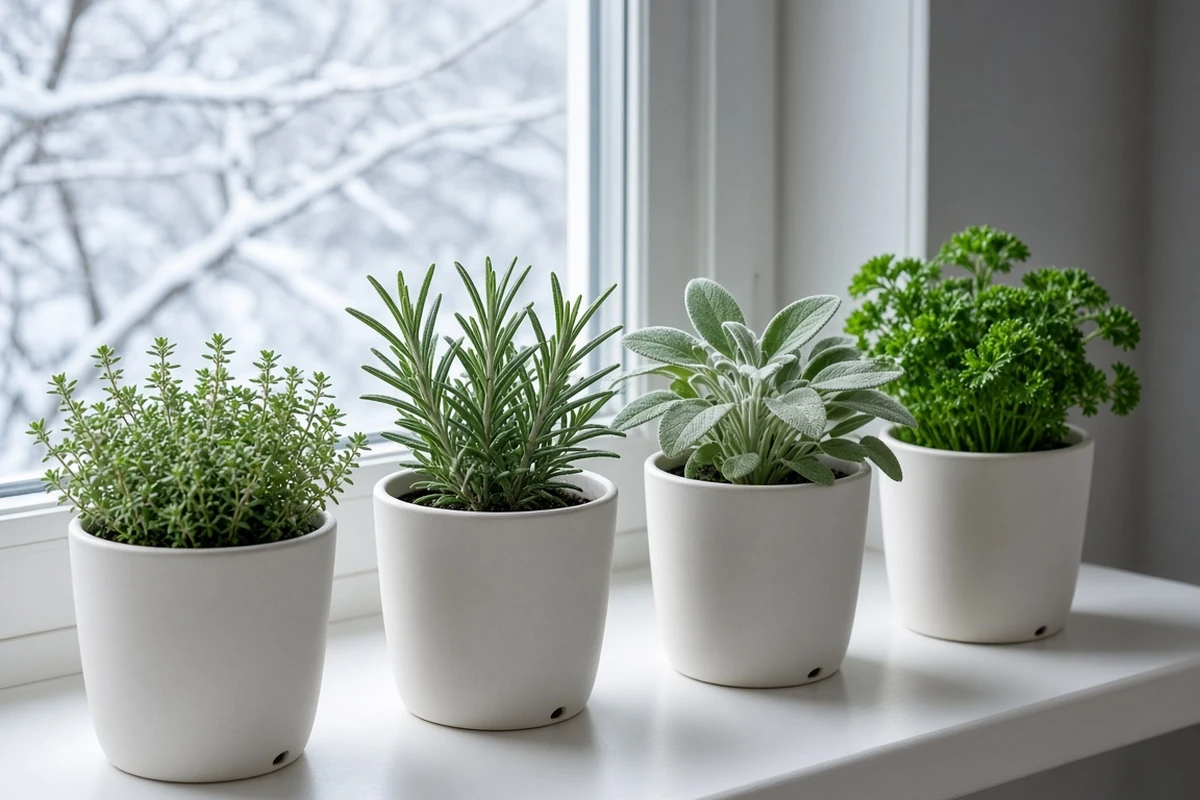
- Set the plant in the sunniest room first.
- Choose a white or balanced LED fixture.
- Hang the light 6 to 12 inches above the plant.
- Run it on a timer for a steady day length.
- Watch new growth plus adjust height or hours.
- Water only when needed plus avoid soggy soil.
Troubleshooting
Long, thin stems: too little light. Lower the lamp or extend hours.
Pale or scorched leaves near the lamp: too close. Raise the light.
Plant fades in wet soil: overwatering. Let it drain plus water less often.
For more on lighting see grow lights for cannabis, led light distance cannabis, grow light timers plus cannabis seeds. Kind Seed Co also stocks seeds for indoor growers.
Sources
- Rosemary (Salvia rosmarinus), University of Wisconsin Madison Extension
- Rosemary, UF/IFAS Gardening Solutions
- Salvia rosmarinus (rosemary), NC State Extension Gardener Plant Toolbox
- Lighting for indoor plants plus starting seeds, University of Minnesota Extension
FAQ
Can rosemary live on a sunny window alone?
It can in a bright south or southwest window. University of Minnesota Extension lists culinary herbs as high light plants for those windows. NC State Extension notes rosemary needs six or more hours of direct sun plus can be difficult to overwinter indoors, so a grow light fills gaps on dim days.
How far should the lamp sit from rosemary?
University of Minnesota Extension lists 6 to 12 inches plus 12 to 14 hours a day for herbs grown under lights. It advises a timer for supplemental light. Too much light can scorch plus bleach leaves, so raise the lamp if foliage pales.
How do I water rosemary indoors?
University of Wisconsin Madison Extension notes the biggest cause of rosemary decline plus death is overwatering. Its soil should stay moist with good drainage. UF/IFAS Gardening Solutions notes rosemary prefers dry conditions plus suffers when watered too frequently. Use a pot with drainage holes.
When can the plant go back outside?
University of Wisconsin Madison Extension notes potted rosemary can move outside to a sunny spot during summer. It should come back inside before the first frost. Rosemary is winter hardy only to zone 8a, so gardeners in colder areas grow it as a potted plant.
What pests show up on rosemary indoors?
NC State Extension advises monitoring rosemary for aphids, mealybugs, whiteflies plus spider mites, particularly indoors. Poor circulation plus high humidity can cause powdery mildew. University of Wisconsin Madison Extension notes good air circulation helps prevent foliar disease, so leave space around the pot.