Hibiscus Not Blooming: Sun Plus Feeding Fixes
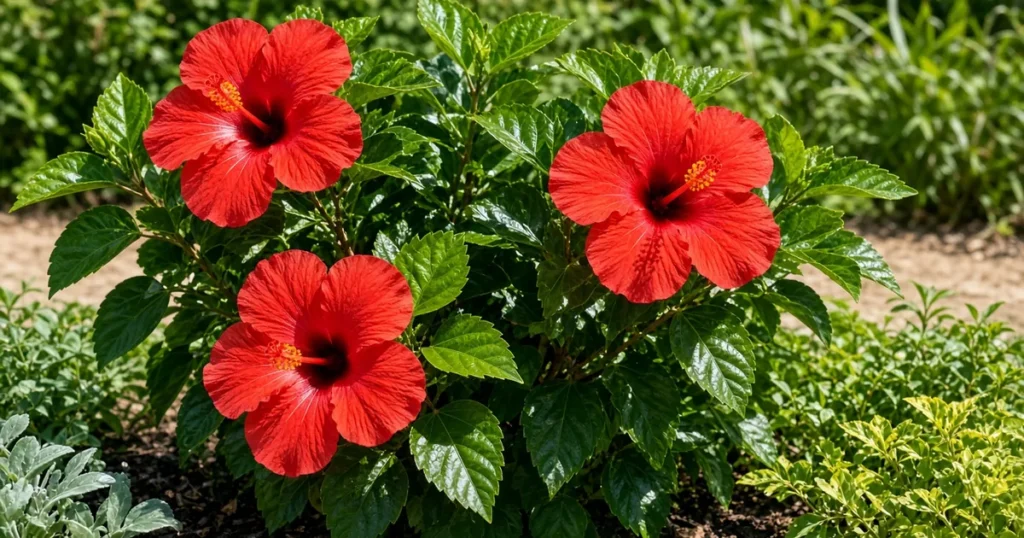
Hibiscus not blooming often needs more sun, less nitrogen or pruning at the right time. Clemson Extension notes that hibiscus grown in light shade has reduced vigor plus flowering. UF/IFAS Extension adds that too much nitrogen spurs leaf growth plus can make unopened buds drop.
The short answer
Give the plant a sunny spot, as Clemson Extension advises, plus plenty of water for the most abundant blooms. Go easy on nitrogen. Prune Chinese hibiscus in early spring, since NC State Extension notes that flowers form on new growth. Avoid moving the plant once buds appear.
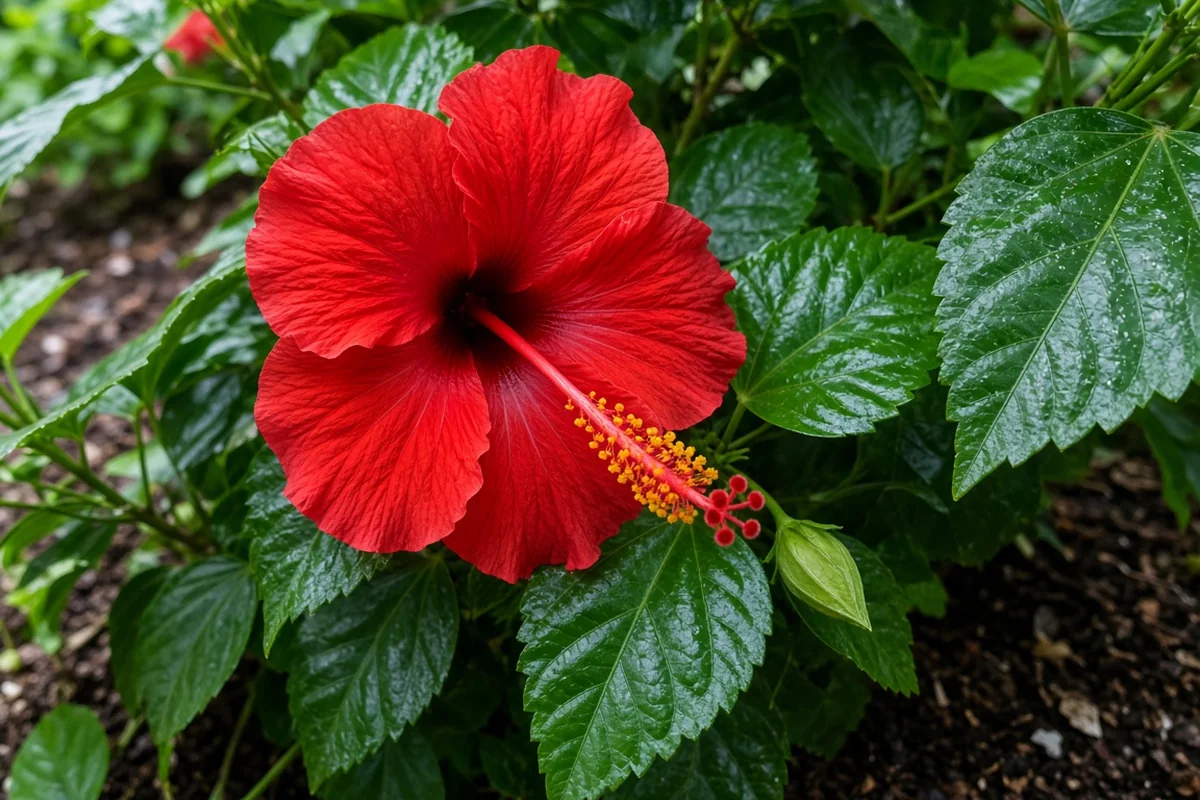
How much sun does hibiscus need to bloom?
Plenty. Clemson Extension notes that hibiscus prefers a sunny spot with well drained soil rich in organic matter. It tolerates light shade, but vigor plus flowering drop.
NC State Extension lists full sun to partial shade for Chinese hibiscus. Indoors, it needs a large container in a spot with bright light.
How does feeding affect flowers?
Too much nitrogen backfires. UF/IFAS Extension notes that excess nitrogen spurs leaf growth plus can cause unopened buds to drop.
Water matters as much as feeding. Clemson Extension notes that plenty of water is needed for the most abundant blooming.
| Factor | What to check | Change |
|---|---|---|
| Light | Shade from trees or walls | Move to a sunny spot |
| Feeding | Lush leaves with no buds | Cut back on nitrogen |
| Water | Dry or soggy soil | Water evenly plus deeply |
Source: Clemson Extension plus UF/IFAS Extension.
When should hibiscus be pruned?
It depends on the type. NC State Extension suggests cutting Chinese hibiscus back by about half its height in early spring. Flowers bloom on new growth, so late pruning removes future buds.
For hardy hibiscus, Clemson Extension suggests removing old flowers before seedheads form. Plants can also be cut back by one third after a flush of bloom to encourage more.
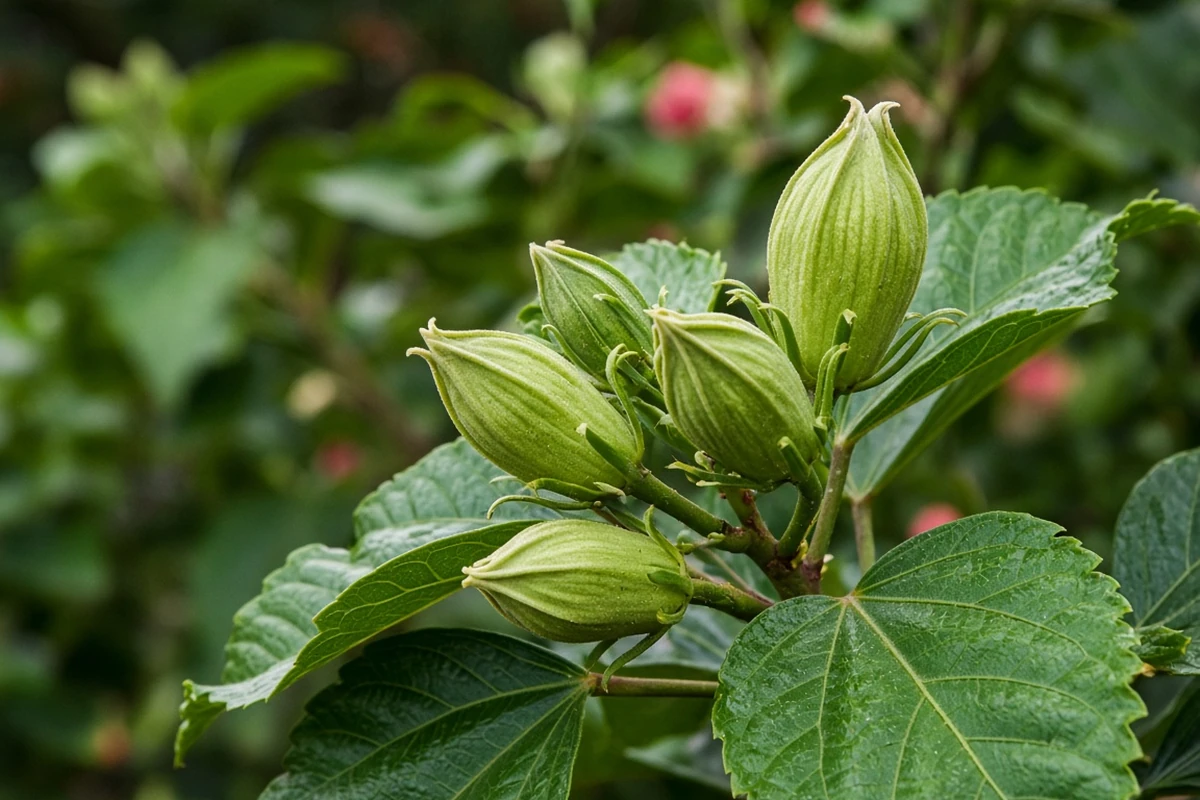
How to: step by step
- Grow hibiscus in a sunny spot.
- Water deep plus evenly.
- Use little nitrogen fertilizer.
- Trim Chinese hibiscus in early spring.
- Clear old flowers before seedheads form.
- Hold the plant still once buds form.
Troubleshooting
Lush leaves, no flowers: shade or too much nitrogen. Give more sun plus feed less.
Buds drop before opening: water swings, heat or high soil pH. UF/IFAS Extension lists all three, so water evenly.
Leaves plus buds drop after a move: change in setting. NC State Extension notes that Chinese hibiscus is sensitive to environmental changes.
For related reading see leaf symptom deficiencies, underwatering cannabis plus pruning plants. Kind Seed Co also stocks cannabis seeds.
Sources
- Hibiscus, University of Florida IFAS Gardening Solutions
- Hibiscus, Clemson Cooperative Extension
- Hibiscus rosa sinensis, NC State Extension Plant Toolbox
- Bud drop plus other hibiscus horror stories, UF/IFAS Extension Charlotte County
FAQ
How often does hibiscus bloom?
Often, though each flower is brief. University of Florida IFAS notes that hibiscus flowers often last just a day. The plant makes blooms over a long flowering season, nearly year round in South Florida. A steady supply of sun, water plus new growth brings more flowers through the season.
Why do hibiscus buds fall off?
UF/IFAS Extension lists several causes. Too much nitrogen, nematodes on the roots, too much or too little water plus alkaline soil can all trigger bud drop. Excessive heat can cause buds to abort as well. Double flowering types tend to drop buds more than single flowering types.
Can hibiscus bloom indoors?
Chinese hibiscus can. NC State Extension notes that indoors it needs a large container in a spot with bright light. It is sensitive to environmental changes, so moving the plant can cause leaf plus bud drop. Choose a bright spot plus leave the plant there once buds form.
Is tropical hibiscus different from hardy hibiscus?
Yes. University of Florida IFAS notes that tropical hibiscus is sensitive to cold, so even a slight cold wave can yellow plus drop lower leaves. Clemson Extension notes that perennial hardy hibiscus freezes back to the ground each winter in most of South Carolina, then regrows in spring.
Does cold weather affect hibiscus flowers?
It can. University of Florida IFAS notes that tropical hibiscus is sensitive to cold. In North Florida, plants freeze to the ground but usually return from the roots. NC State Extension notes that Chinese hibiscus needs shelter from wind plus frost, so move potted plants indoors before cold weather.