Gardenia Not Blooming: Night Heat Plus Soil pH Fixes
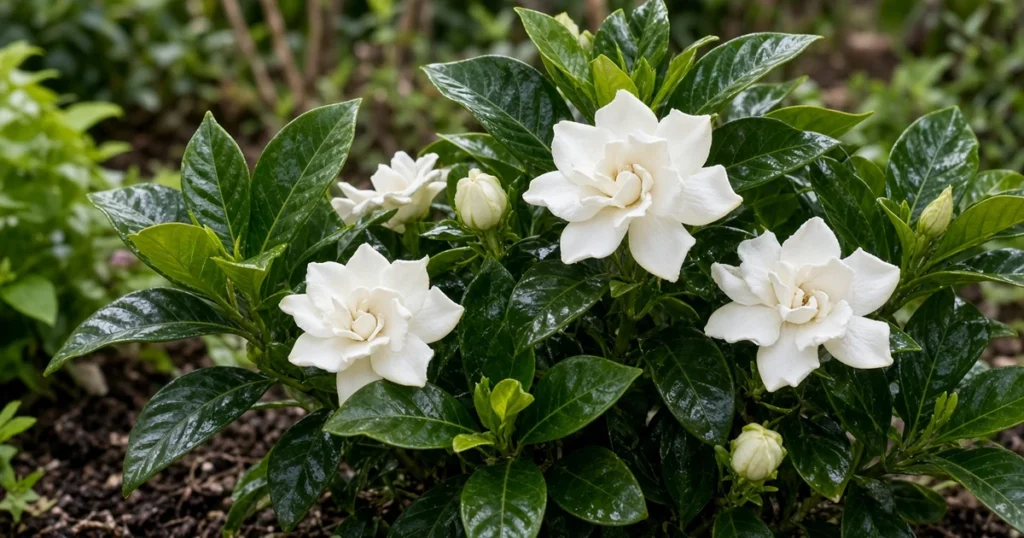
Gardenia not blooming often traces back to warm nights, low light, high soil pH or pruning at the wrong time. Texas A&M AgriLife notes that bud drop occurs during periods of high night temperatures or low light. Clemson Extension adds that gardenias grow in acidic soil with a pH of 5.0 to 6.0.
The short answer
Have the soil pH checked through a county Extension office, since University of Florida IFAS suggests a pH between 5.0 plus 6.5. Water so the soil stays uniformly moist during flowering. Prune in spring, as NC State Extension advises, since blossoms appear on new growth.
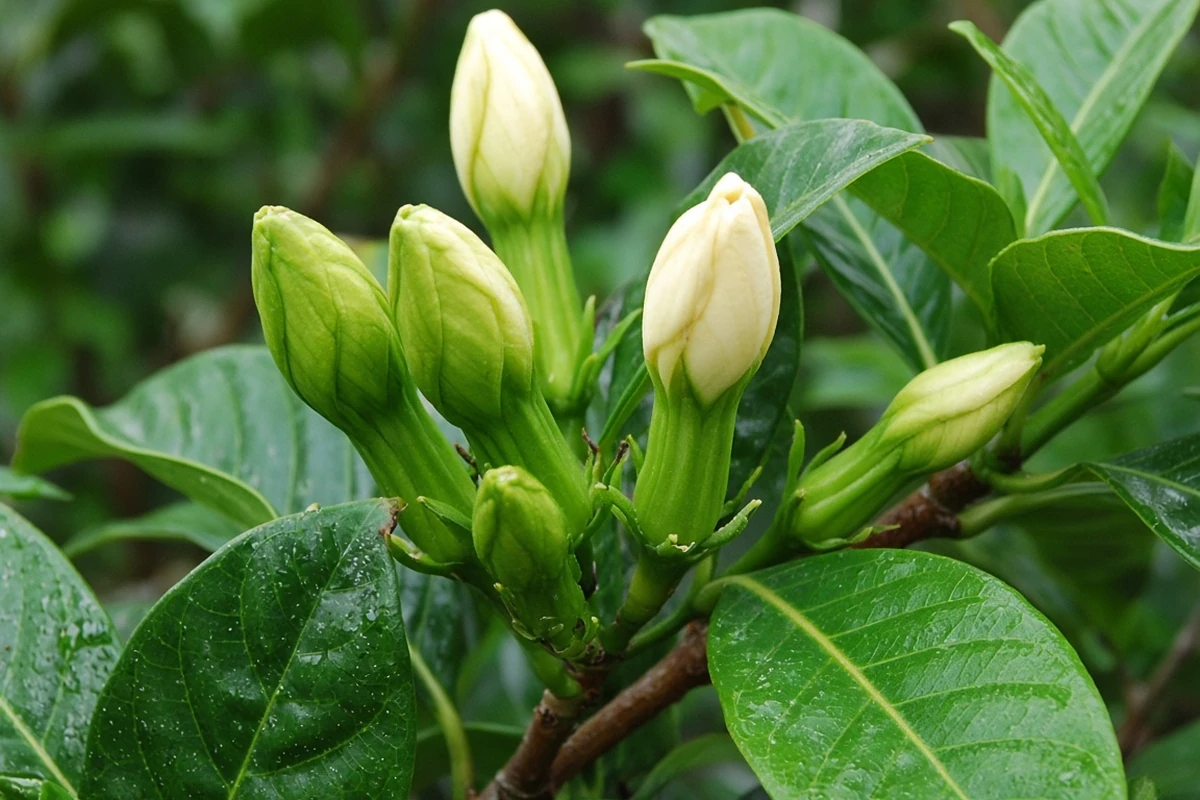
How does night temperature affect buds?
Warm nights can cost flowers. Texas A&M AgriLife notes that abnormal bud drop occurs during periods of high night temperatures or low light intensity. Some bud drop is natural.
Clemson Extension lists more stressors, including unusually cool weather, rapid temperature drops plus very hot, dry weather.
Why does soil pH matter?
Gardenias need acidic soil. Clemson Extension notes that they grow in soil with a pH of 5.0 to 6.0. Above pH 7.0, iron becomes unavailable, so new leaves turn yellow from iron chlorosis.
University of Florida IFAS suggests a container or another plant where soil pH stays above 7.0.
| Factor | What to check | Change |
|---|---|---|
| Soil pH | Yellow leaves with green veins | Have pH checked plus aim for 5.0 to 6.5 |
| Night heat | Buds drop in warm spells | Water evenly plus wait for cooler nights |
| Pruning | Cuts made after spring | Prune in spring only |
Source: Clemson Extension plus Texas A&M AgriLife.
When should gardenias be pruned?
In spring. NC State Extension advises pruning gardenias in spring to shape the plant, since blossoms appear on new growth. It suggests removing spent flowers to encourage blooming.
Skip fall feeding. NC State Extension notes that fall fertilizer causes a rush of frost tender growth.
How to: step by step
- Get the soil pH checked through a county Extension office.
- Water deep so the soil stays evenly moist.
- Site the plant in bright light or partial shade.
- Only prune in spring.
- Clip spent flowers to prompt more.
- Look for dropping buds plus note the weather.
Troubleshooting
Yellow leaves, no flowers: high pH. Clemson Extension links yellow new leaves to iron chlorosis from pH above 7.0.
Buds drop: warm nights, low light or water swings. Hold soil moisture even during flowering.
No buds after pruning: pruned late. Prune in spring, before new growth sets flowers.
For related reading see pH plus plant growth, underwatering cannabis plus mulch for beds. Kind Seed Co also stocks cannabis seeds.
Sources
- Gardenia diseases plus other problems, Clemson Cooperative Extension
- Gardenia jasminoides, NC State Extension Plant Toolbox
- Gardenias, University of Florida IFAS Gardening Solutions
- Gardenia, Texas A&M AgriLife Plant Disease Handbook
FAQ
Why do gardenia buds fall off?
Stress is the usual cause. Clemson Extension lists thrips, aphids, nematodes, excess fertilizer, overwatering, underwatering plus poor drainage. Low light, cool weather, rapid temperature drops plus hot, dry weather also play a part. Texas A&M AgriLife adds that high night temperatures can bring on bud drop as well.
Can gardenias grow in pots?
Yes. NC State Extension notes that gardenias can be planted outside in a container or in the ground. University of Florida IFAS suggests a container where garden soil pH stays above 7.0. Use a rich, acidic, well drained mix plus water regularly for steady flower production.
Do gardenias need full sun?
Not always. University of Florida IFAS suggests full sun or partial shade with room for air flow. NC State Extension notes that gardenias prefer bright indirect sunlight or partial shade. Shelter from cold plus high winds helps prevent winter burn on the leaves in cooler areas.
Why are gardenia leaves yellow?
High soil pH is a common cause. Clemson Extension explains that gardenias cannot absorb enough iron when soil pH rises above 7.0. Young leaves turn yellow while the veins stay green. Older leaves may also yellow along the edges, plus overall growth slows.
Should gardenias be fed in fall?
No. NC State Extension advises against fall fertilizer, since it causes a rush of frost tender growth. University of Florida IFAS suggests feeding two or three times a year for good flower production. Clemson Extension adds that excess fertilizer is one stressor that can lead to bud drop.