
Hose Quick Connect Fittings for Garden Beds
The short answer
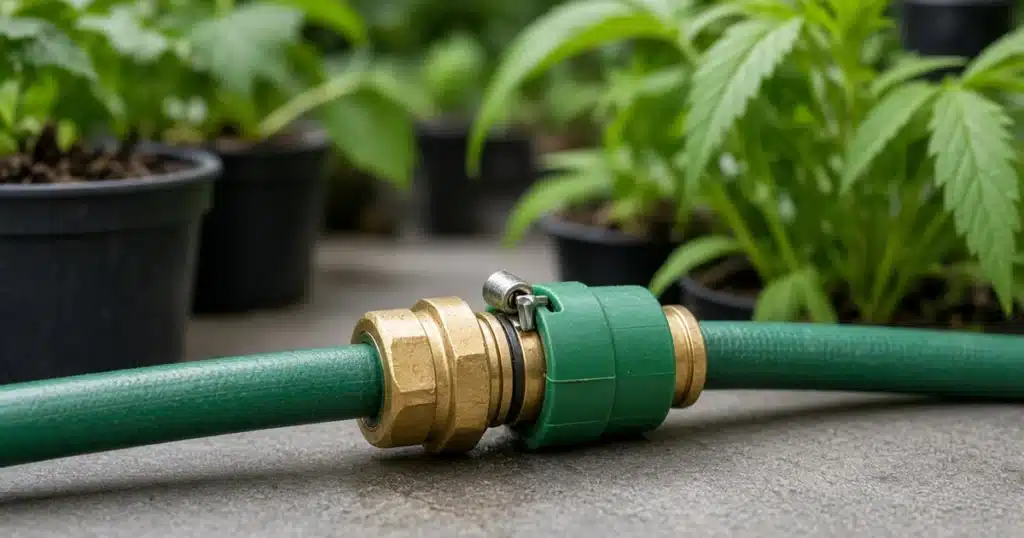
A hose quick connect is a two part fitting that lets you snap a hose onto a spigot, nozzle or soaker line without screwing threads every time. The female coupler stays on the hose. Each tool or outlet gets a male plug.
To install one, screw each part onto clean threads with a good washer, hand tight plus a small turn. Keep the vacuum breaker on your spigot in place and fit the quick connect after it. Check for drips, replace worn washers and store fittings out of the sun.
How quick connect fittings work
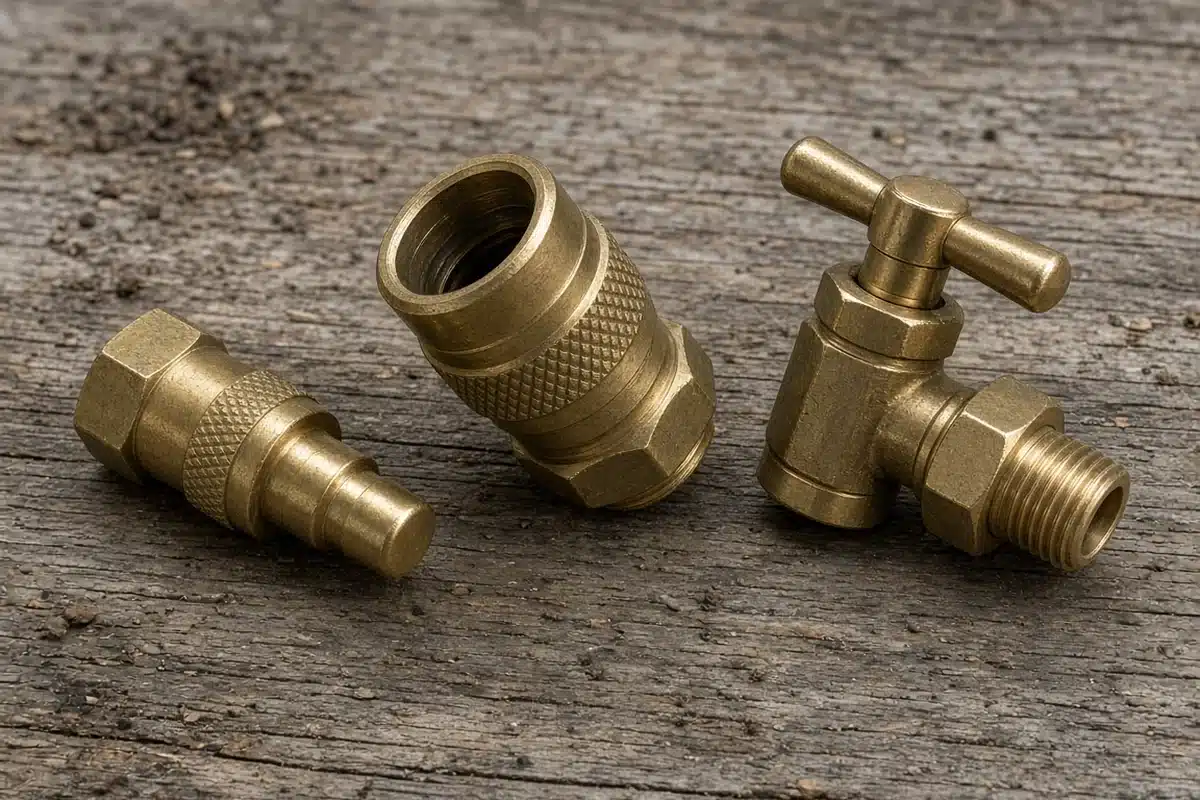
A quick connect set has two halves. The coupler is the female part. It has a sleeve that slides back. The plug is the male part. The coupler locks onto a groove in the plug.
Pull the sleeve back, push the plug in and let go. Small balls or clips inside lock the plug in place. Many couplers also carry a valve that stops flow when you pull the plug out. That lets you change a nozzle without walking back to the spigot.
Why growers use them
Garden bed watering means switching tools often. You may use a wand for seedlings, a nozzle for washing pots and a soaker line for beds. Twisting threads on and off wears out washers and wastes time.
- Swap tools in seconds.
- Move one hose between several beds.
- Cut wear on hose threads.
- Shut off flow at the tool on many models.
Parts and where they go
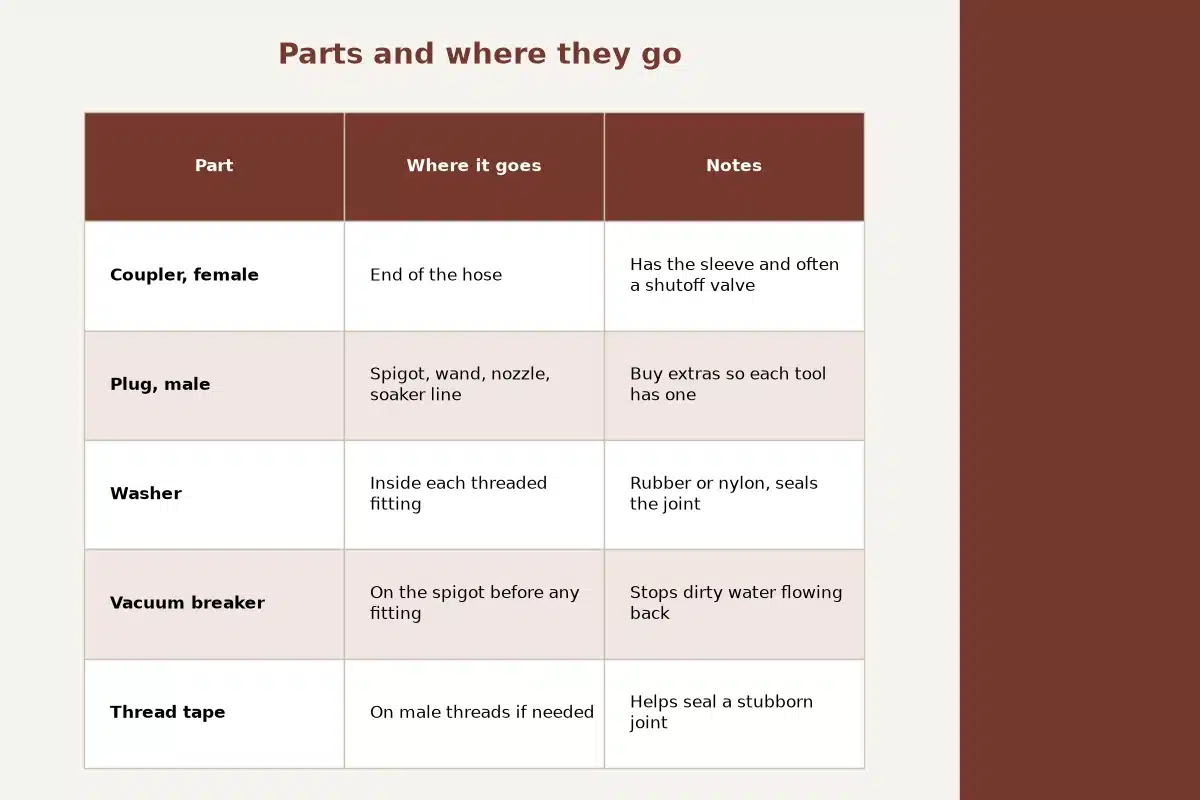
| Part | Where it goes | Notes |
|---|---|---|
| Coupler, female | End of the hose | Has the sleeve and often a shutoff valve |
| Plug, male | Spigot, wand, nozzle, soaker line | Buy extras so each tool has one |
| Washer | Inside each threaded fitting | Rubber or nylon, seals the joint |
| Vacuum breaker | On the spigot before any fitting | Stops dirty water flowing back |
| Thread tape | On male threads if needed | Helps seal a stubborn joint |
Source: Fix a Leak Week, EPA WaterSense, washer and tight connection guidance for leaking garden hoses.
Keep the vacuum breaker
Many spigots have a small device screwed onto the outlet called a hose bibb vacuum breaker. Cal Water explains that it stops contaminated water from flowing back into your home’s drinking water. It also notes these devices should never be removed.
A hose end in a bucket or on a sprayer can lead to backflow. Leave the vacuum breaker on and screw the quick connect plug onto its outlet. If your spigot has no vacuum breaker, check your local water provider’s rules before you add fittings. Colorado State University Extension notes that hose attachments must be protected by an approved hose connection vacuum breaker.
How to install hose quick connect fittings
- Turn off the water at the spigot.
- Check the spigot threads and clean off dirt or old tape.
- Make sure the vacuum breaker is in place on the spigot.
- Screw a male plug onto the spigot outlet with its washer seated.
- Tighten by hand. Then add a small turn with pliers if needed.
- Screw a female coupler onto the hose end with a fresh washer.
- Fit a male plug onto each wand, nozzle and soaker line.
- Snap the hose onto the spigot plug and turn the water on slowly.
- Look and feel for drips at every joint.
Stop leaks at the connections
EPA WaterSense tells home owners to check the garden hose for leaks at its connection to the spigot. If it leaks while running, it says to replace the nylon or rubber hose washer. It also suggests pipe tape and a wrench for a tight connection.
Common leak points
- The washer in the coupler is flat, cracked or missing.
- Threads are crossed because the fitting went on at an angle.
- The coupler O ring inside the sleeve is worn.
- Grit is caught in the coupler.
- The fitting is plastic and has cracked from sun or frost.
Materials
Brass
Brass fittings last long and hold up to rough use. They cost more but suit a main spigot you use every day.
Plastic
Plastic fittings are light and cheap. They can crack in sun or cold. Light tools like a seedling wand are a good fit.
Aluminum
Aluminum fittings are light and do not rust. They can wear faster at the locking groove than brass.
Planning a bed layout
Put a male plug on each place you connect a hose. Think of the spigot, a soaker line at each bed and every tool you use. Then one hose with one coupler serves the whole garden.
If you collect rain, a plug on a rain barrel outlet lets you use the same hose. Our guide to rainwater for cannabis covers using barrel water on plants.
A quick connect at the greenhouse door keeps hoses tidy. Our guide to watering cannabis in a greenhouse covers watering setups under cover.
If you later add an automatic timer, the timer goes on the spigot before the plug. Our guide to hose timers for cannabis gardens covers timers in detail.
Matching sizes and threads
Most garden hoses and spigots in the US use standard garden hose thread. Quick connect sets are made to fit it. Still, check the size on the package before you buy, since some hoses are wider than others.
Mixing brands can cause trouble. A plug from one maker may not lock well in a coupler from another. Buy a full set from one maker so every plug fits every coupler. Then add extra plugs from the same line as your garden grows.
Care and storage
- Rinse grit out of couplers before you connect them.
- Keep spare washers and O rings in a small jar.
- Disconnect fittings and drain hoses before a freeze.
- Store plastic fittings out of direct sun.
- Wipe threads clean at the end of the season.
Using quick connects day to day
If a coupler has no shutoff, turn water down before you unplug a tool. Pressure can spray water when you pull the plug. With a shutoff coupler, you can unplug at full pressure.
When you connect, aim the open coupler at the ground. This keeps soil and bugs from falling in. Push the plug straight in rather than at an angle so the balls seat evenly. Give the hose a light tug after you connect to make sure the plug is locked before you walk away.
Troubleshooting
- The plug will not lock in. Pull the sleeve all the way back and push straight in.
- Water sprays from the coupler. Replace the O ring or the coupler.
- The joint drips at the threads. Replace the washer and retighten.
- The plug sticks. Rinse grit out and work the sleeve a few times.
- Flow is weak. Check for a kinked hose or a clogged washer screen.
- The fitting cracked. Swap plastic for brass on heavy use spots.
Final thoughts
A hose quick connect makes garden bed watering faster and cuts wear on threads. Fit a coupler on the hose and a plug on every tool and outlet. Keep the vacuum breaker on the spigot, use good washers and check for drips. Kind Seed Co has more outdoor growing guides for home growers.
Sources
- EPA WaterSense, Fix a Leak Week
- Colorado State University Extension, Home Sprinkler Systems: Backflow Prevention Devices
- California Water Service, Common Cross Connection Hazards at Residential Homes
FAQ
What is a hose quick connect?
A two part fitting that lets you snap a hose onto a tool or spigot without screwing threads.
Which part goes on the hose?
The female coupler goes on the hose. Male plugs go on spigots and tools.
Should I remove the vacuum breaker to fit a quick connect?
No. Leave the vacuum breaker on the spigot and fit the quick connect after it.
Why is my quick connect leaking?
Most leaks come from a worn washer, a worn O ring, grit or crossed threads.
Are brass or plastic quick connects better?
Brass lasts longer for daily use. Plastic is fine for light tools.


