
How to Plant a Wildflower Meadow: Clearing plus Sowing
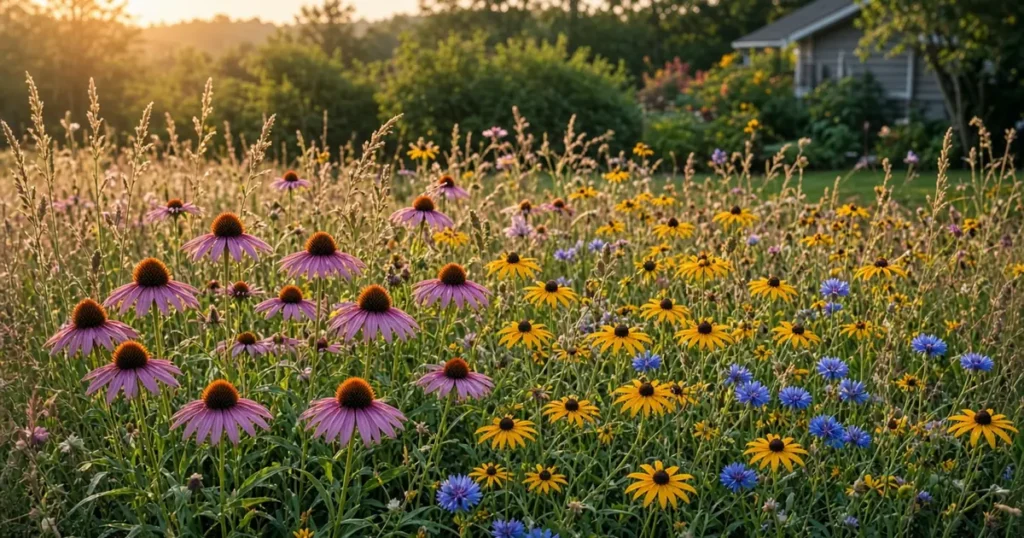
Learning how to plant a wildflower meadow starts with a sunny site plus bare, weed free soil. Penn State Extension notes the first step is removing the existing lawn or vegetation. University of Maryland Extension notes meadows suit areas with at least 6 hours of sun daily. Patience matters, since perennial meadows take years.
The short answer
Pick a site with at least 6 hours of sun. Strip or smother the existing turf, then rake or till a smooth seed bed. Sow native grass plus wildflower seed, or set native plugs, in spring. Mow several times in the first year to hold weeds below 8 inches. Expect two or three years to establish.
How do you clear lawn for a meadow?
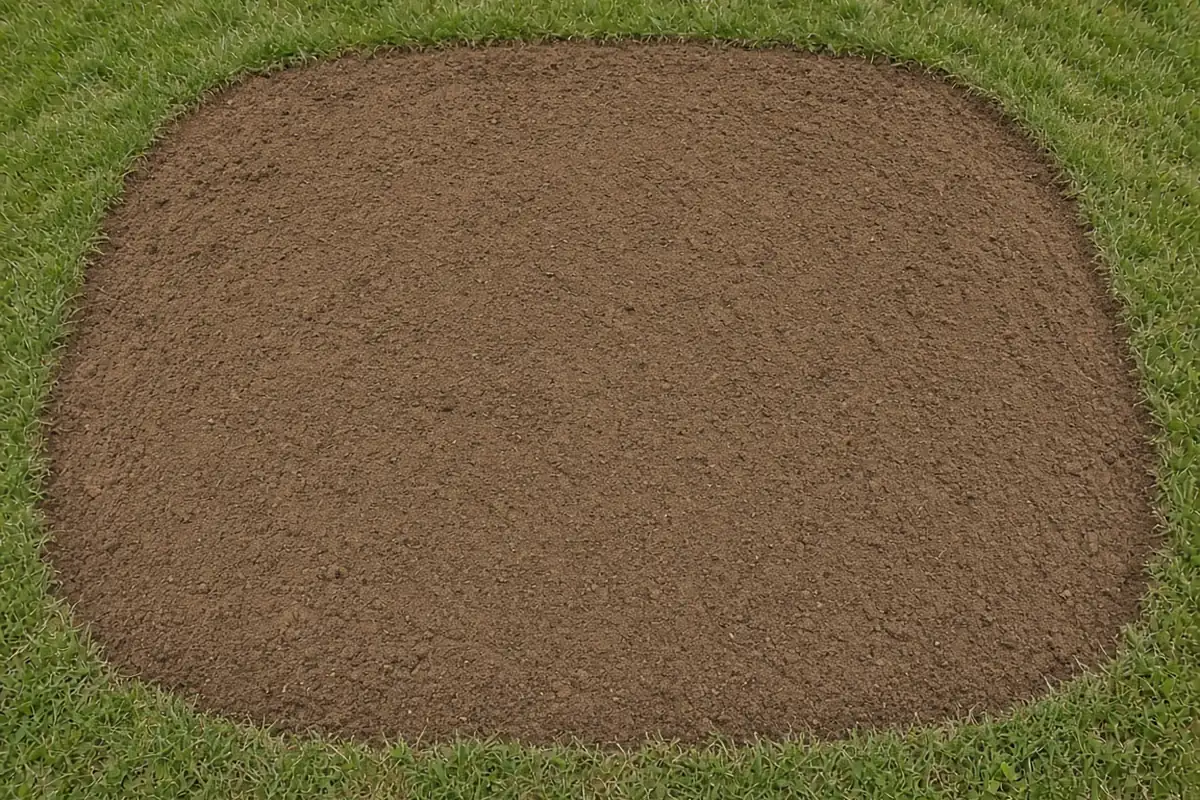
Penn State Extension describes cutting sod into strips with a shovel, then removing it 1 to 1.5 inches deep. Soil must then be prepared plus planted at once. Another way is covering the turf with black plastic, plywood or thick newspaper under wood chips. Coverings go down in late spring for at least two months.
| Step | Timing | Detail | Source |
|---|---|---|---|
| Choose the site | Before you start | At least 6 hours of sun daily | Maryland |
| Remove sod | Right before planting | Cut strips 1 to 1.5 inches deep | Penn State |
| Smother turf | Late spring, two months or more | Black plastic, plywood or newspaper plus chips | Penn State |
| Prepare the bed | After clearing | Till 1 to 2 inches or rake away thatch | Penn State |
| Plant | Spring in most areas | Seed or native plugs | Penn State plus Maryland |
| First year mowing | When weeds near 8 inches | Mow to about 4 inches | Penn State |
Source: Penn State Extension plus University of Maryland Extension.
Seeds or plugs for a meadow?
Penn State Extension notes meadows can be planted from seed or plants, with spring the usual time. University of Maryland Extension notes meadows hold 50 to 70 percent native grasses plus flowering native perennials. It notes garden center wildflower mixes often hold annual flowers that are not native. Plugs are a choice where native seed is scarce.
How do you care for a new meadow?
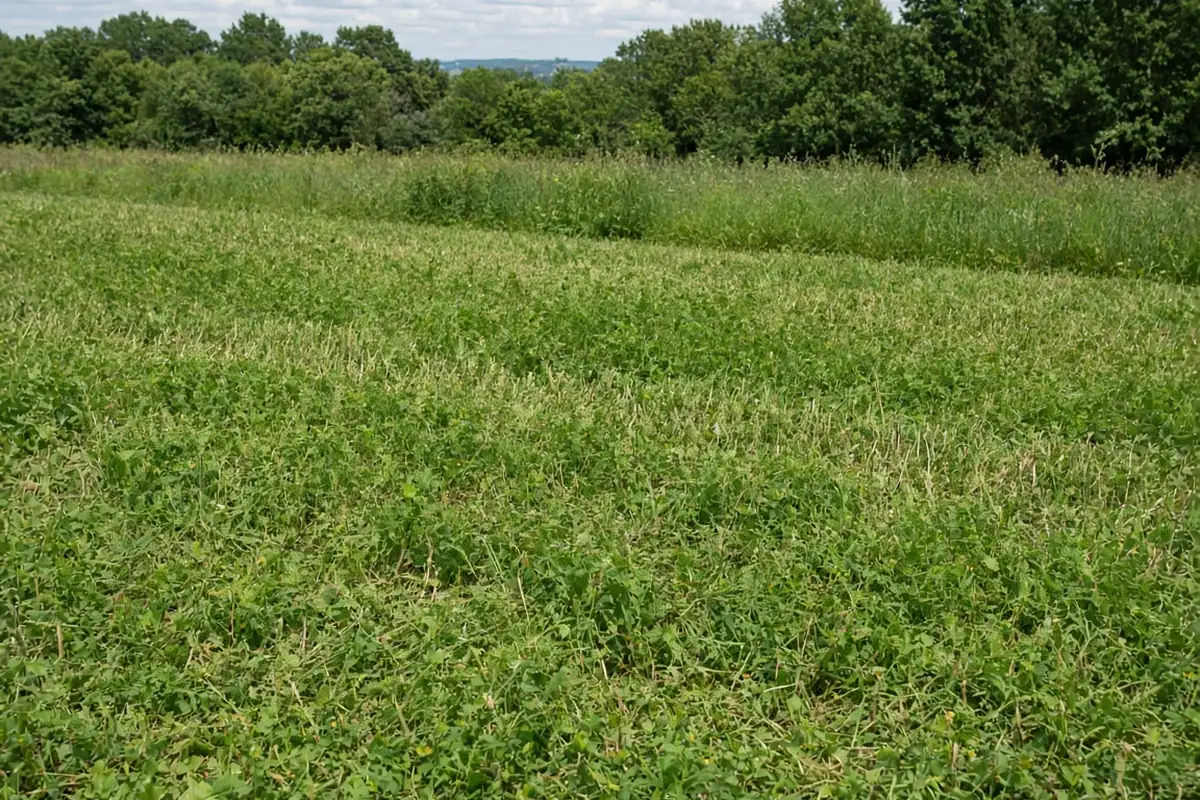
Penn State Extension advises mowing several times during the first year, before weeds reach 8 inches. Mow just over the young plants, about 4 inches. Halt mowing at season’s end. From the second year on, mow once in late winter or early spring. University of Maine Extension suggests mowing in fall for pollinators.
How to: step by step
- Pick an open area with at least 6 hours of sun.
- Remove the sod, or smother it for at least two months.
- Till 1 to 2 inches deep or rake away dead thatch.
- Sow native seed or set native plugs in spring.
- Mow to about 4 inches whenever weeds near 8 inches.
- Mow the whole meadow once a year from year two.
Troubleshooting
Weeds outpace seedlings: first year growth. Mow above the young plants before weeds hit 8 inches.
Color fades after one year: annual mix. Penn State notes annual meadows need replanting each year.
Aggressive plants take over: imbalance. Pull extra plants or remove seed heads before they burst.
For related reading see the roles bees play in outdoor cannabis, garden microclimates for cannabis plus cover crops for cannabis. Kind Seed Co also stocks cannabis seeds.
Sources
- Meadow of native plants, University of Maine Extension
- Lawn alternatives, University of Maryland Extension
- Native plants for wildlife, NC State Extension
- Meadows plus prairies as lawn alternatives, Penn State Extension
FAQ
How long does a wildflower meadow take to establish?
Longer than most expect. Penn State Extension notes a perennial meadow usually needs two or three years to establish properly. Its deep rooted plants spend the first year growing roots. University of Maryland Extension notes native meadows take about three years to reach maturity, so early seasons can look sparse.
Are store wildflower mixes a good choice?
Read the species list first. University of Maryland Extension notes garden center meadow mixes often contain annual flowers that are not native or adapted. Penn State Extension notes some mixes hold nonnative plants that can spread into nearby fields. Annual meadows also need replanting each year to hold their color.
When should a meadow be mowed?
From the second year on, Penn State Extension advises mowing once a year in late winter or early spring before new growth starts. University of Maine Extension notes mowing later in the season suits pollinators plus birds, with fall mowing after migration. Mowing paths through the meadow is another option.
Why plant native species in a meadow?
NC State Extension notes native plants are well suited to local soils plus climate. They need relatively little upkeep once established on a fitting site. They provide food plus cover for native wildlife. University of Maryland Extension notes meadows offer shelter, food plus nest sites for birds plus pollinators.
Can a meadow start by simply not mowing?
Yes. Penn State Extension notes an alternative is to stop mowing plus let nature take its course. Many wildflowers, including goldenrods, asters plus milkweed, will come in on their own. To hold a good mix, pull extra plants or remove seed heads before the pods burst.


