
How to Plant an Asparagus Bed: Crowns Plus First Years
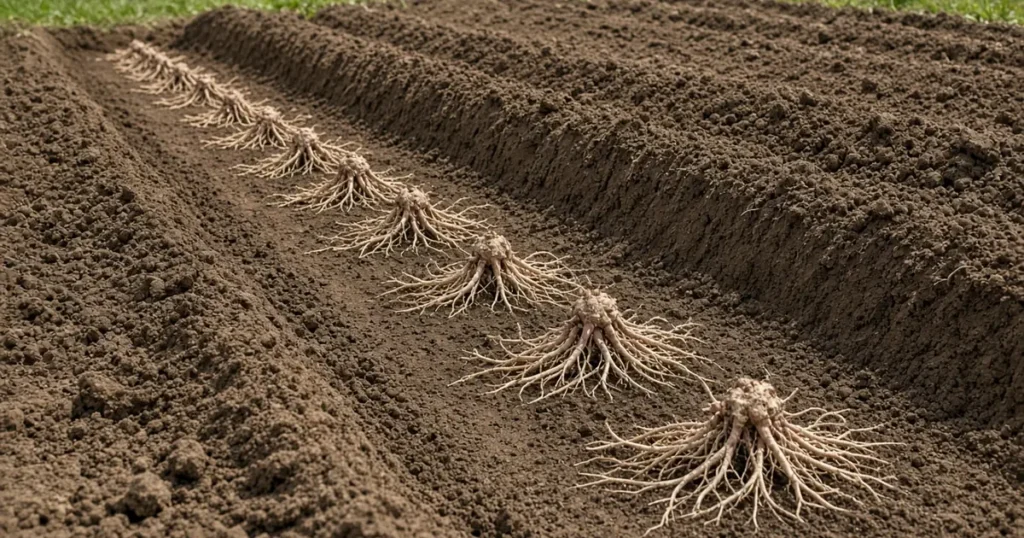
Learning how to plant an asparagus bed pays off for years. University of Minnesota Extension notes an asparagus planting can last 15 years or more, so choose the spot with care. Plant one year old crowns in a trench, cover them lightly plus fill the trench as the ferns grow.
The short answer
Plant one year old crowns in early spring in a trench 6 to 12 inches deep with buds about 12 inches apart. Cover with 2 to 3 inches of soil, then backfill as ferns grow. University of Minnesota Extension advises starting harvest two years after planting crowns.
Where should the bed go?
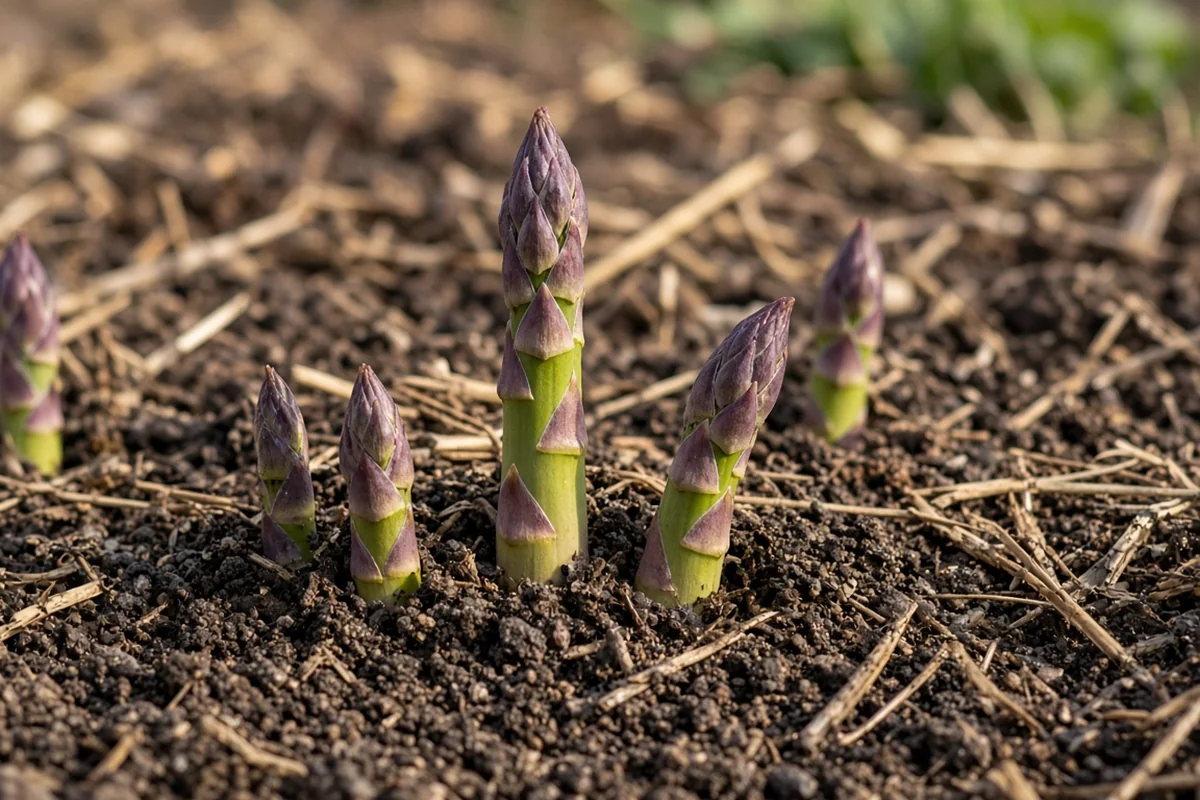
University of Minnesota Extension advises a fertile, sunny site with soil that drains well but holds moisture, away from low spots prone to frost. It notes the north end of the garden fits asparagus so the tall ferns do not shade other crops. University of Minnesota Extension adds that late spring frosts can kill emerged spears.
| Year | Task | Harvest |
|---|---|---|
| Year 1 | Plant crowns plus backfill the trench as ferns grow | None |
| Year 2 | Weed plus let ferns grow all season | None or a short light harvest by some guides |
| Year 3 | Weed plus feed after harvest | About 4 weeks |
| Year 4 on | Feed after harvest plus let ferns grow | 6 to 8 weeks |
Source: University of Minnesota Extension, Utah State University Extension plus University of Illinois Extension.
How deep plus far apart should crowns go?
University of Minnesota Extension advises a furrow 6 to 12 inches deep, shallower in heavy clay plus deeper in sandy soil, with buds about 12 inches apart plus rows at least 3 feet apart. University of Illinois Extension lists a trench 12 to 18 inches wide with crowns 9 to 12 inches apart.
When can I start harvesting?
Sources differ. University of Minnesota Extension advises beginning harvest two years after planting crowns plus three years after planting seed. University of Illinois Extension plus Utah State University Extension advise waiting until the third year, with Illinois limiting that first season to about a month while the plants build roots.
How to: step by step
- Pick a sunny, well drained site at the north end of the garden.
- Dig a trench 6 to 12 inches deep, shallower in clay plus deeper in sand.
- Set crowns head to toe so buds sit about 12 inches apart.
- Cover crowns with 2 to 3 inches of soil plus water right away.
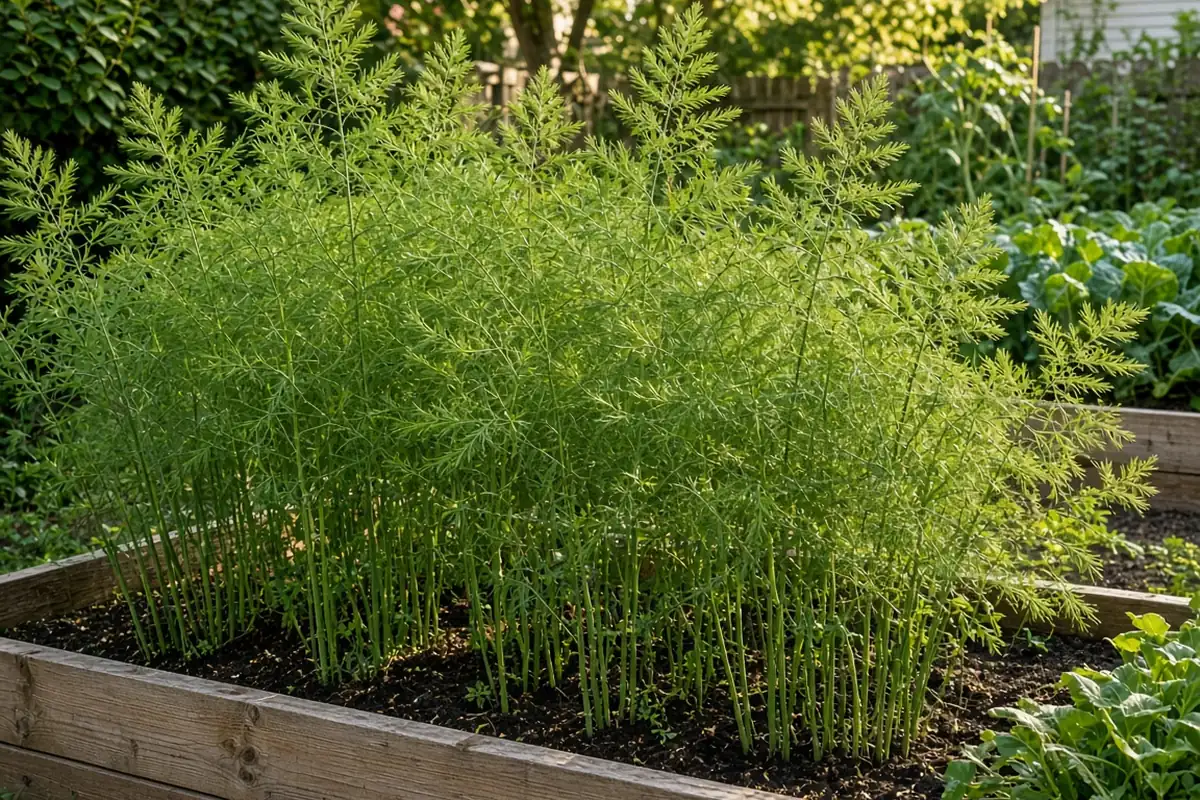
- Refill the trench in stages as the ferns grow.
- Let ferns grow after each harvest season to feed the roots.
Troubleshooting
Spindly first year growth: normal. University of Illinois Extension notes top growth is spindly in the first year plus stems thicken as plants age.
Weeds crowding spears: competition. University of Illinois Extension calls weeds plus grasses the worst problem in asparagus, so cultivate shallowly plus often in spring.
Spears chewed or crooked: asparagus beetles. University of Illinois Extension notes handpicking works when numbers are low.
For related reading see raised beds for cannabis, soil checks for cannabis plus mulch for cannabis. Kind Seed Co also stocks cannabis seeds.
Sources
- Growing asparagus in home gardens, University of Minnesota Extension
- Asparagus, home vegetable gardening, University of Illinois Extension
- How to grow asparagus in your garden, Utah State University Extension
FAQ
Should I plant crowns or seed?
University of Minnesota Extension notes asparagus can start from seed or from one year old roots called crowns, with harvest starting two years after planting crowns plus three years after seed. Utah State University Extension notes you can also raise transplants from seed sown in January for planting out in April.
Do male varieties matter?
University of Minnesota Extension notes male plants tend to live longer plus produce more spears, while female plants can produce weedy seedling asparagus. University of Illinois Extension adds that seedlings from female plants crowd the bed. Most hybrids such as Jersey Giant are all male plants that produce no seeds.
How long does an asparagus bed last?
University of Minnesota Extension notes an asparagus planting can last 15 years or more. University of Illinois Extension says a bed should remain productive for at least 15 to 20 years. Because the plants stay in place that long, it advises planting the most suitable variety available, since you may never get to choose again.
What do I do with the ferns?
Let them grow. University of Minnesota Extension advises harvesting spears until June 30 in Minnesota, then letting the large ferns develop, since they make energy stored for next year. Utah State University Extension suggests mowing plus mulching ferns on the bed once they die in fall.
How should a new bed be watered?
University of Minnesota Extension notes good soil moisture at planting matters for root plus fern growth, plus advises watering right after planting. Utah State University Extension suggests 1 to 2 inches of water every other week for the first two years, using drip irrigation if possible, plus mulch to hold moisture plus slow weeds.



