
How to Prepare a Garden Bed Before Planting
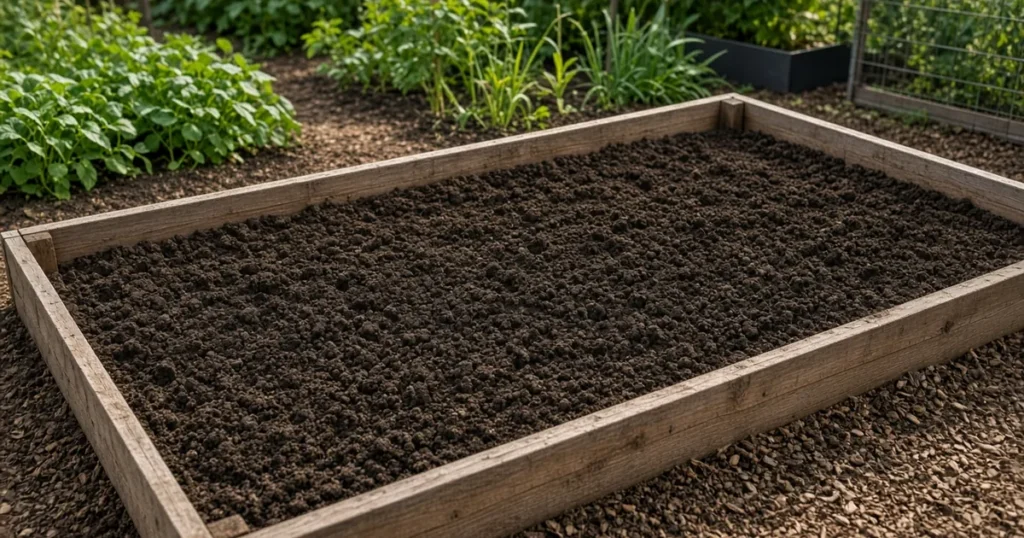
Knowing how to prepare a garden bed starts with clearing what grows there now. Remove grass plus weeds, loosen compacted soil, work in compost plus rake the surface smooth. University of Wisconsin Extension suggests starting the year before planting when you can, so the bed is ready when the weather is right.
The short answer
Clear the grass plus weeds, loosen the soil, then work in two to three inches of compost at least a month before planting. Rake the surface smooth so it is ready to plant. University of Wisconsin Extension also suggests a lab analysis of the soil so you add only what the bed needs.
How do you clear a new bed?
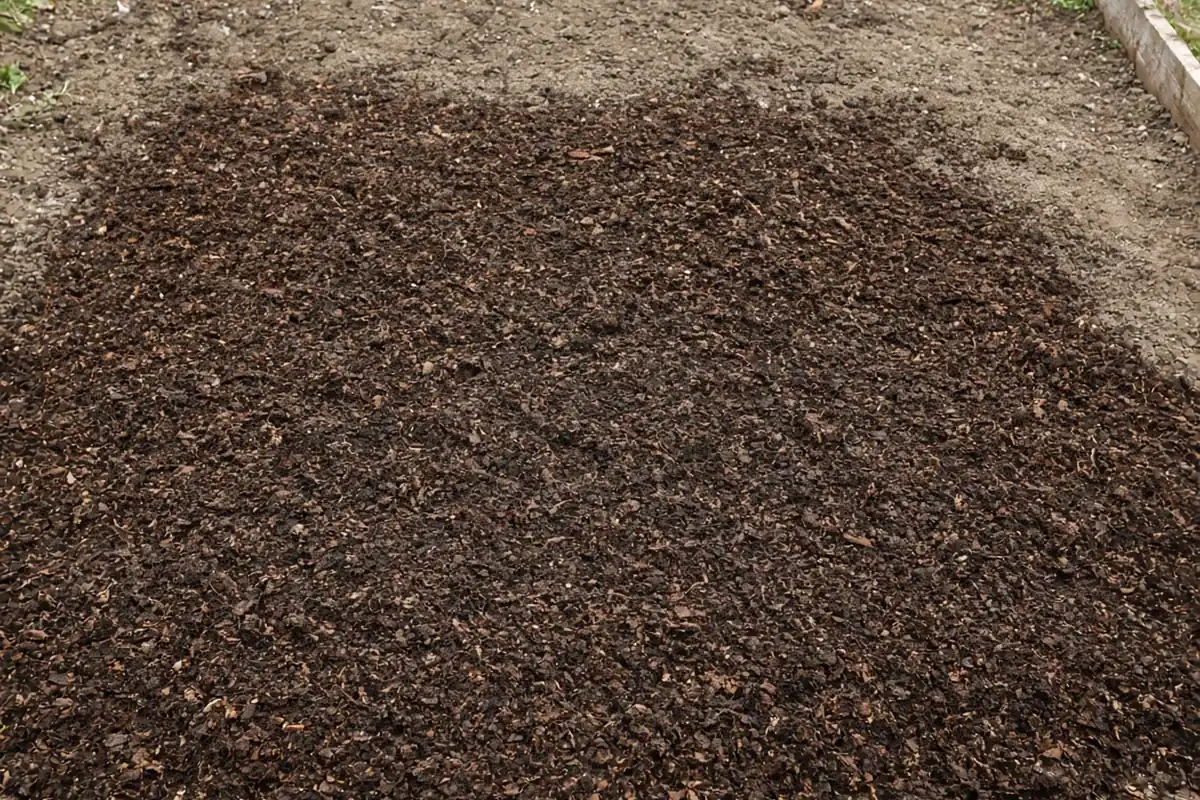
University of Wisconsin Extension advises removing existing vegetation, particularly grass, so it does not grow back later. A sod cutter or a shovel works for small areas. Cover what remains with cardboard, a tarp or black plastic to smother it. University of Vermont Extension describes sheet mulching, where cardboard plus mulch smother grass plus break down over about four to six months.
| Step | Purpose | Tip |
|---|---|---|
| Remove sod | Stops grass from coming back | Use a sod cutter or a sharp flat shovel |
| Smother leftovers | Kills what you could not dig | Cover with cardboard, a tarp or black plastic |
| Loosen soil | Eases compaction | A broadfork loosens without turning soil over |
| Add compost | Improves structure plus fertility | Work in two to three inches |
| Smooth the surface | Readies a seedbed | Rake before planting small seeds |
Source: University of Wisconsin Extension, University of Minnesota Extension plus University of Vermont Extension.
When is soil ready to work?
University of Minnesota Extension advises against preparing soil when it is too wet or too dry. If soil sticks to your shoes or shovel, it is too wet. Press a small amount in your hand. When the moisture is right it crumbles into small clumps. If it stays molded in a ball, wait. Where soil is compacted, a broadfork loosens it without breaking up soil aggregates.
What should be added before planting?
University of Wisconsin Extension notes compost improves the structure plus fertility of most garden soils. It helps sandy soils hold more moisture plus nutrients plus makes clay soils lighter plus better drained. Work a two to three inch layer into the soil at least a month before planting, then smooth the surface.
How to: step by step
- Outline the bed with a hose, rope or stakes.
- Squeeze a handful of soil to confirm it crumbles.
- Clear grass plus weeds or smother them under cardboard.
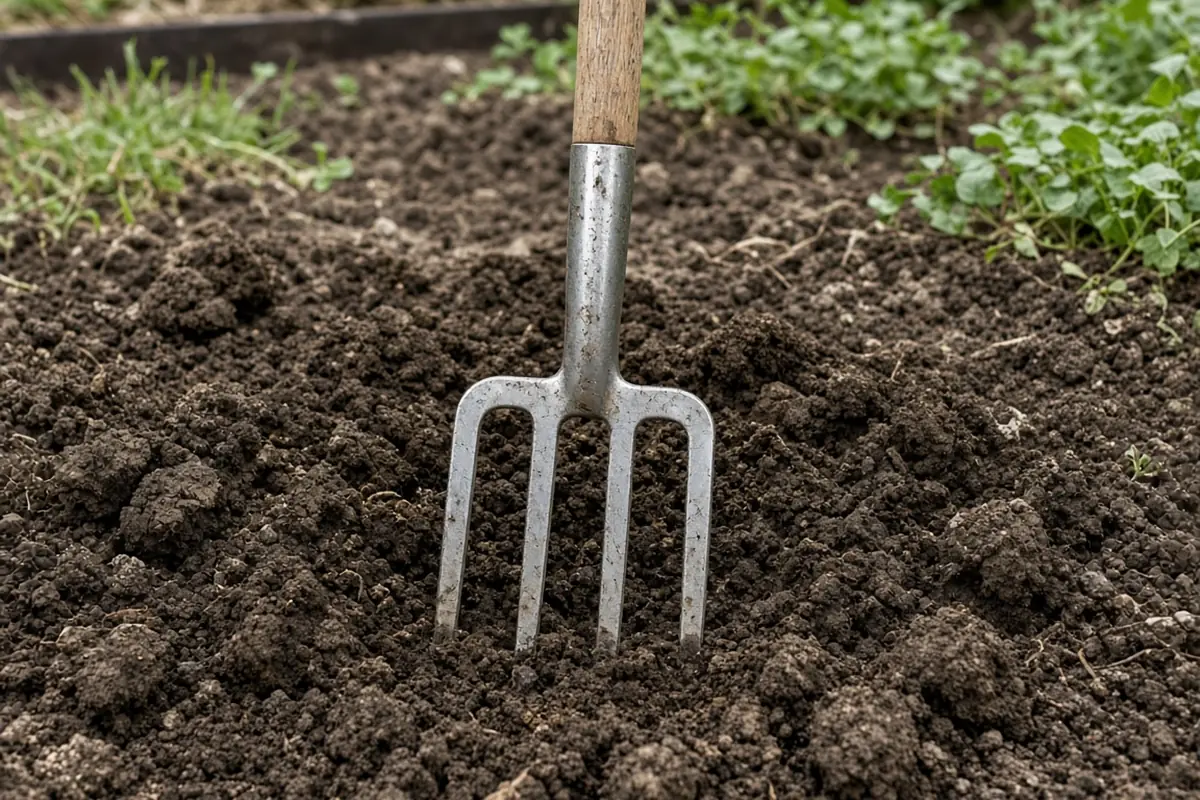
- Loosen packed soil with a fork or broadfork.
- Spread two to three inches of compost plus work it in.
- Rake the surface level.
Troubleshooting
Weeds return: roots left behind. University of Minnesota Extension suggests hand pulling perennial weeds as soon as they emerge to deplete their stored energy.
Water pools on the bed: poor drainage. UGA Extension notes poorly drained soils cause plant problems plus suggests raised beds on those sites.
Hard soil below the surface: a compacted layer. UGA Extension suggests deep tilling to break apart a hardpan several inches down.
For related reading see when is soil ready to work, tilling vs no till cannabis beds plus soil checks for cannabis. Kind Seed Co also stocks cannabis seeds.
Sources
- Beginning vegetable garden basics: site selection plus soil preparation, University of Wisconsin Extension Horticulture
- Planting the vegetable garden, University of Minnesota Extension
- Soil preparation plus planting procedures for ornamental plants (B932), UGA Cooperative Extension
- Reducing tillage in your garden, University of Minnesota Extension
- Sheet mulching for lawn to garden conversion, University of Vermont Extension
FAQ
Should I till a new garden bed?
University of Minnesota Extension notes tillage breaks soil into smaller pieces plus makes it more prone to compaction plus erosion over time. In an extremely compact new garden, tilling one time may make sense. Otherwise, a broadfork, sod ripper or sharp flat shovel can do the job with less disturbance.
How much compost should I add?
University of Wisconsin Extension suggests working a two to three inch layer of compost into the soil with a rototiller or shovel at least a month before planting. Compost helps sandy soils hold water plus nutrients, makes clay soils lighter plus better drained plus adds trace nutrients plants need.
Can I prepare a bed in the fall?
Yes. University of Wisconsin Extension notes that ideally you start preparing a garden site the year before planting. University of Vermont Extension notes sheet mulched cardboard plus mulch break down over about four to six months, so a bed laid in fall can be ready for spring planting.
Should the soil be checked by a lab?
University of Wisconsin Extension suggests a nutrient analysis through a certified lab before planting. It reports soil type, pH, organic matter plus phosphorus plus potassium levels. The optimal pH for vegetables is around 6.5, though most grow well from 6.0 to 7.2. Amending after planting is harder.
Where should a new bed go?
University of Wisconsin Extension notes most vegetables need at least six hours of direct sun daily. Pick a well drained spot with a convenient water source, away from low frost pockets plus steep slopes. Avoid the root zone of black walnut trees, since they produce chemicals that interfere with many vegetables.



