
How to Raise PPM in Hydroponics: Add Nutrients in Steps
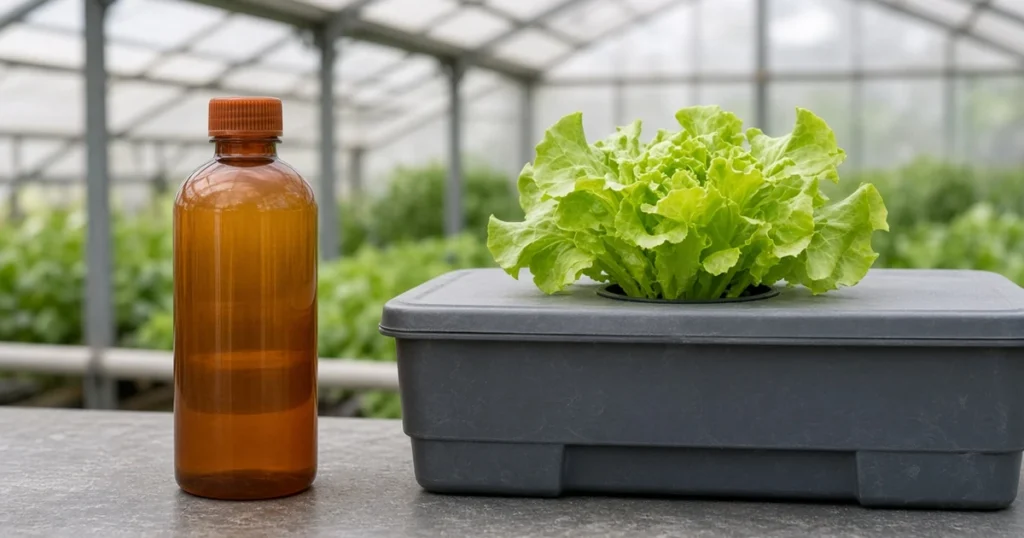
How to raise PPM in hydroponics: add nutrient concentrate in small steps, mix it in plus recheck the meter until you reach the target. UMass Extension explains that EC rises as more soluble salts dissolve. Small additions avoid overshooting, plus checking pH afterward helps nutrients stay available to the roots.
The short answer
Add concentrate a little at a time. UMass Extension notes EC rises as soluble salts increase. University of Missouri Extension notes fertilizers are salts, so each addition lifts the reading. Mix, wait, read again plus stop at the target, then adjust pH last.
Why does PPM drop over time?
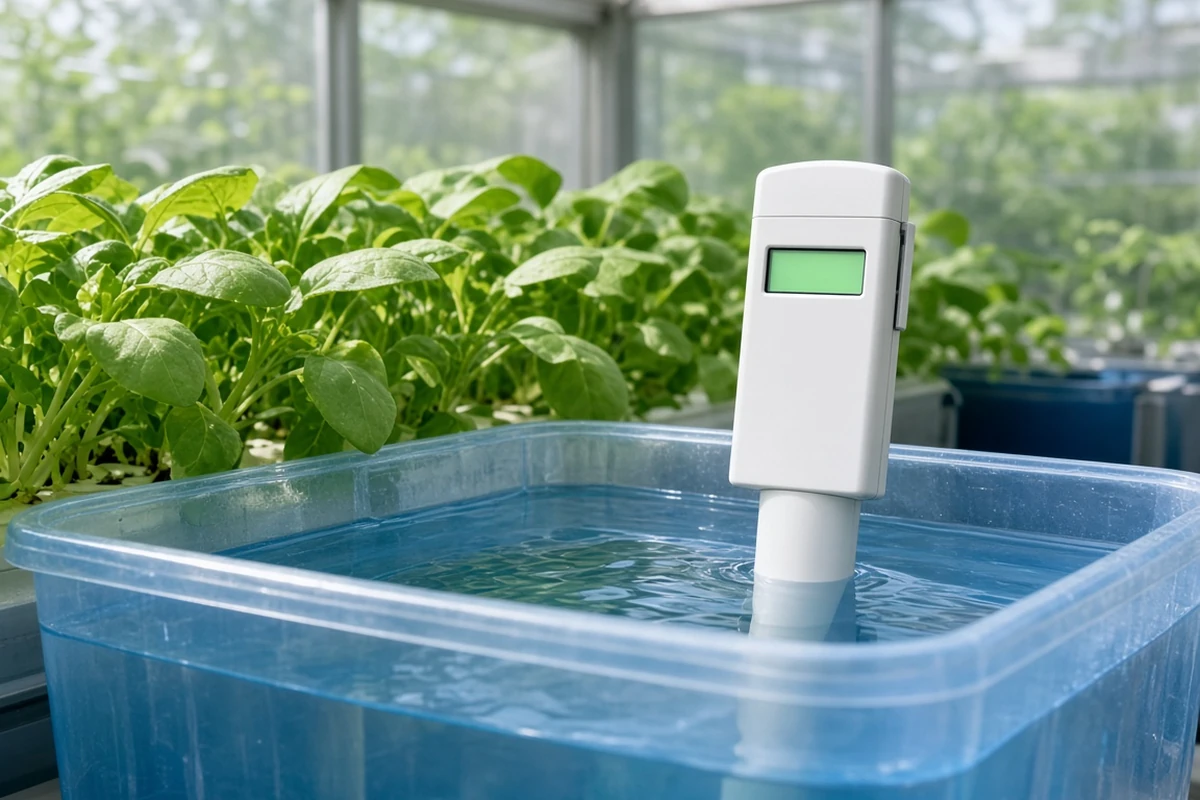
Plants take up nutrients as they grow, so dissolved salts fall. UMass Extension notes EC tracks soluble salts in a solution. NDSU Extension notes PPM is an estimate taken from EC.
| Situation | Reading | Action |
|---|---|---|
| Plants feeding heavily | EC falling | Add concentrate in steps |
| Just mixed | At target | Read pH next |
| Overshot | Above target | Dilute with plain water |
Source: UMass Extension plus University of Missouri Extension.
How much concentrate should be added at once?
Begin with a small dose for your reservoir volume. Purdue Extension tables show how the dilution ratio of a concentrate sets the final EC. University of Missouri Extension notes a poorly mixed fertilizer can stop plants from using nutrients, so stir well between additions.
Why check pH after feeding?
University of Missouri Extension notes the optimum pH for most hydroponic crops is 5.5 to 6.5 plus that pH outside the range can stop plants using nutrients. Adding fertilizer salts can shift pH, so read it after the EC reaches the target.
How to: step by step
- Calibrate the meter.
- Read EC or PPM plus note the crop target.
- Dose a small amount of concentrate.
- Mix or run the pump for a few minutes.
- Read the meter again plus repeat in small steps.
- Check plus adjust pH last.
Troubleshooting
Reading spikes too high: too much at once. Dilute with plain water.
Reading barely moves: meter needs calibration. Calibrate it.
Plants still pale: pH out of range. Adjust pH.
For related reading see ppm for cannabis, ph meter calibration plus caring for your hydroponic system. Kind Seed Co also stocks cannabis seeds.
Sources
- Soluble salts and electrical conductivity (EC) for greenhouse crops, UMass Amherst Center for Agriculture, Food, and the Environment
- Hydroponic nutrient solutions (G6984), University of Missouri Extension
- Using electrical conductivity and total dissolved solids meters to field test water quality, NDSU Extension
- Details of electrical conductivity measurements in greenhouse production (HO 286 W), Purdue Extension
FAQ
Can I raise PPM with plain fertilizer?
University of Missouri Extension notes a nutrient program must supply every required element plus that EC can be on target while individual nutrients are out of balance. A soil fertilizer may lift the reading without the right mix. Use a complete hydroponic nutrient so the higher reading reflects useful elements.
Should part A and part B be mixed together?
Not as concentrates. University of Missouri Extension notes a poorly mixed fertilizer can stop plants from using nutrients, plus some salts react when combined at high concentration. Add each part to the reservoir water separately, mixing between them, then read EC.
How often does PPM need raising?
It depends on plant size plus growth rate. UMass Extension notes EC tracks the soluble salts left in a solution, so a falling reading shows plants are using nutrients. Read EC every few days plus after top offs, then add concentrate when it drops below target.
Does a meter need calibration before feeding?
Yes. NDSU Extension notes EC meters must be calibrated regularly to give accurate readings. University of Missouri Extension describes rinsing probes with distilled water plus storing them as the maker directs. A meter that drifts can make you add too much or too little concentrate.
Why add concentrate in small steps?
Small additions help you stop at the target. Purdue Extension tables show how the amount of concentrate sets the final EC, so a large pour can overshoot quickly. If you overshoot, NDSU Extension notes pure water conducts poorly, so adding plain water brings the reading back down.



