
How to Lower PPM in Hydroponics: Dilute or Change
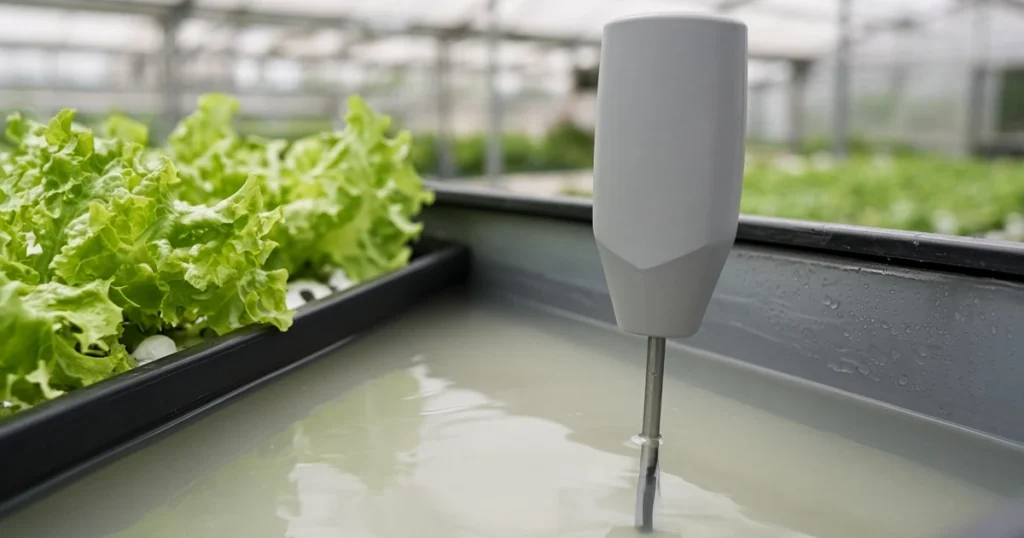
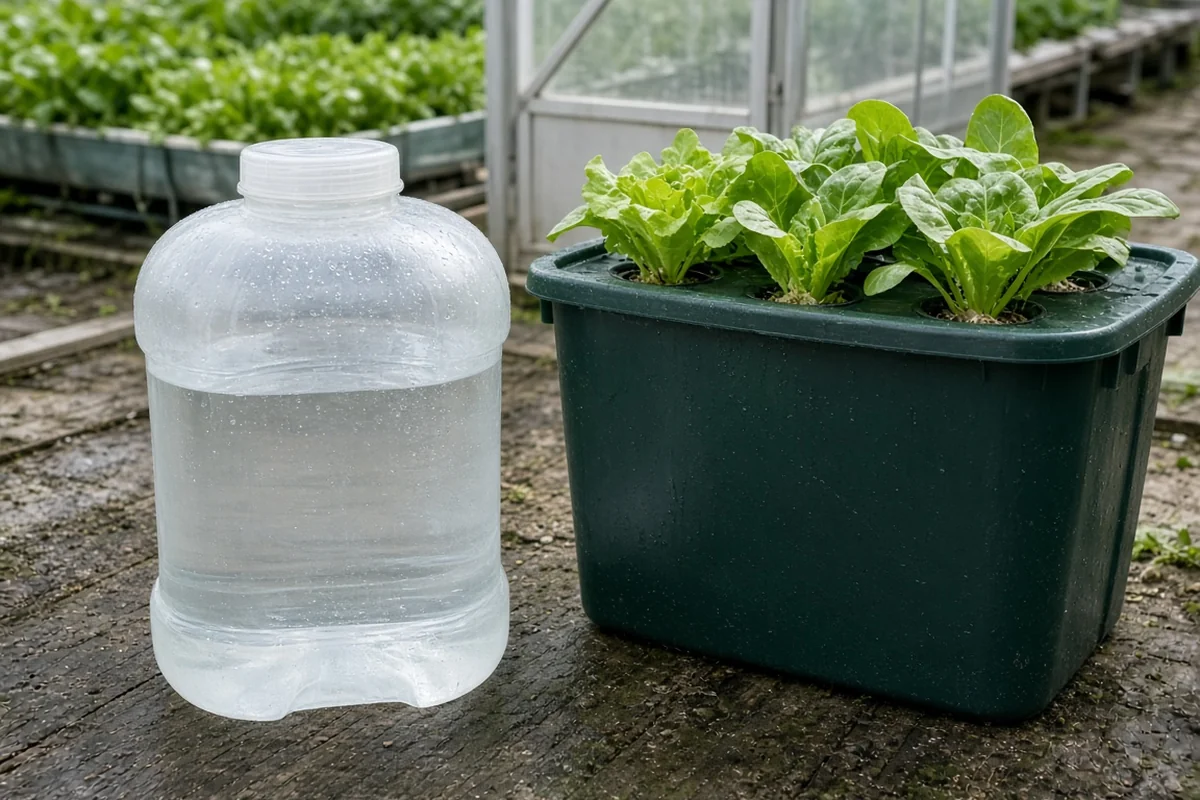
How to lower PPM in hydroponics: add plain water to dilute the solution or drain part of it plus refill with fresh water. NDSU Extension notes that EC is a proxy for total dissolved solids, plus pure water is a poor conductor. Adding water spreads the salts out, so the reading falls. Recheck after each step.
The short answer
Dilute with plain water or swap part of the solution. NDSU Extension notes PPM is an estimate of dissolved solids taken from an EC reading. Purdue Extension tables show EC falling as a fertilizer concentrate is diluted further. Add water in steps, mix, recheck the meter plus adjust pH last.
What do PPM and EC readings mean?
NDSU Extension notes TDS is usually shown as mg/L, the same as parts per million. It notes the meter estimates TDS by multiplying EC by a conversion factor plus that meters must be calibrated regularly.
| Reading | What it shows | Note |
|---|---|---|
| EC | How well solution conducts current | Rises with dissolved salts |
| PPM or TDS | Estimate from EC | Uses a conversion factor |
| pH | Acidity | 5.5 to 6.5 for most crops |
Source: NDSU Extension plus University of Missouri Extension.
Why does PPM climb too high?
UMass Extension notes that as soluble salts increase, a solution conducts better plus EC rises. University of Missouri Extension notes fertilizers are salts plus that source water can add ions of its own. Warm weather that drives heavy water use may also concentrate the reservoir.
How do you dilute without big swings?
Add plain water bit by bit, mix, then read the meter. Purdue Extension notes EC measurements help check the concentration of fertilizer solutions. University of Missouri Extension notes EC can be on target while nutrients are out of balance, so a partial change suits repeated highs.
How to: step by step
- Calibrate the meter.
- Read EC or PPM plus note the target.
- Add a small dose of plain water.
- Mix or run the pump for a few minutes.
- Read the meter again plus repeat if needed.
- Check pH last plus adjust gently.
Troubleshooting
Reading still high after dilution: salts have built up. Do a partial or full change.
Leaf tips burn: solution too concentrated. Dilute plus check daily.
Reading falls too far: overdiluted. Add some concentrate.
For related reading see ppm for cannabis, ph meter calibration plus caring for your hydroponic system. Kind Seed Co also stocks cannabis seeds.
Sources
- Using electrical conductivity and total dissolved solids meters to field test water quality, NDSU Extension
- Details of electrical conductivity measurements in greenhouse production (HO 286 W), Purdue Extension
- Hydroponic nutrient solutions (G6984), University of Missouri Extension
- Soluble salts and electrical conductivity (EC) for greenhouse crops, UMass Amherst Center for Agriculture, Food, and the Environment
FAQ
What is the difference between PPM and EC?
EC measures how well a solution conducts electricity. NDSU Extension notes a TDS meter estimates dissolved solids in mg/L or ppm by multiplying EC by a conversion factor. Because factors vary, two meters can show different PPM from the same EC, so compare readings on one scale.
Can tap water raise PPM?
Yes. University of Missouri Extension notes source water can contribute significant ions, plus it lists sodium, chlorine plus calcium among the ions to watch. It suggests having source water analyzed for pH, EC plus alkalinity. A high starting EC leaves less room for nutrients.
How often should I check PPM?
University of Missouri Extension advises monitoring pH, EC, dissolved oxygen, temperature plus alkalinity to hold crops in their comfort zone. Many home growers read EC every few days plus after each top off. NDSU Extension notes meters must be calibrated regularly for accurate readings.
Does lowering PPM change pH?
It can. Adding water with its own pH plus alkalinity shifts the mix. University of Missouri Extension notes the optimum pH for most hydroponic crops is 5.5 to 6.5 plus that pH outside the range can stop plants using nutrients. Check pH after every dilution.
When is a full change better than diluting?
University of Missouri Extension notes EC can be on target while individual nutrients are out of balance. If the reading continues to creep up or plants show odd symptoms after repeated dilutions, a full change resets the mix. Drain, refill with fresh solution plus read EC plus pH again.



