
How to Start a Garden in a New House: Watch Then Plant
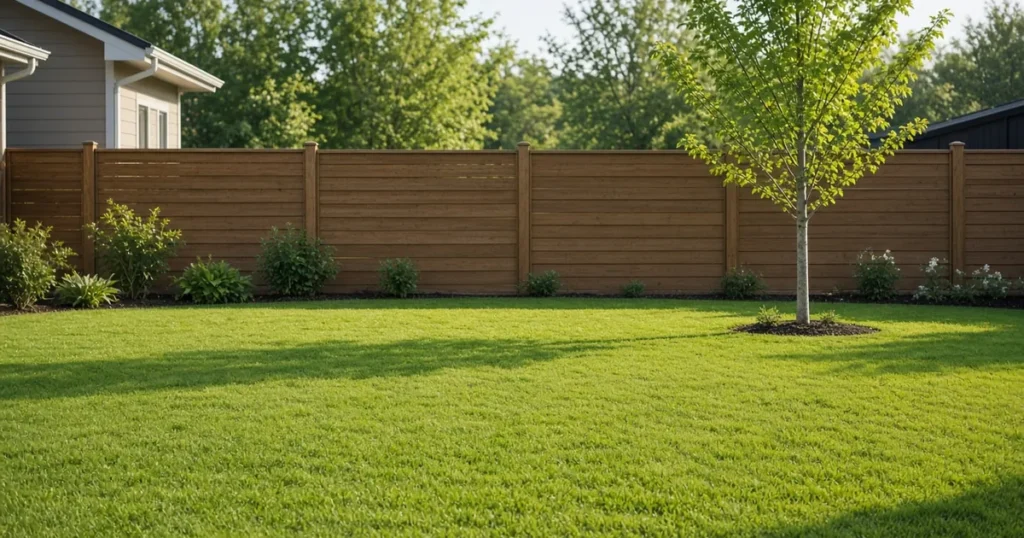
Learning how to start a garden in a new house begins with watching the yard. University of Wisconsin Extension advises watching a site through the growing season so trees or buildings do not shade it. Then send a soil sample to a lab plus start small.
The short answer
Watch the yard through a season to learn where sun falls plus where water puddles after heavy rain. Pick a convenient spot in full sun near a hose. Send a soil sample to a lab before planting. Start small with a few easy crops, then add beds as you learn the site.
Why watch the yard before planting?
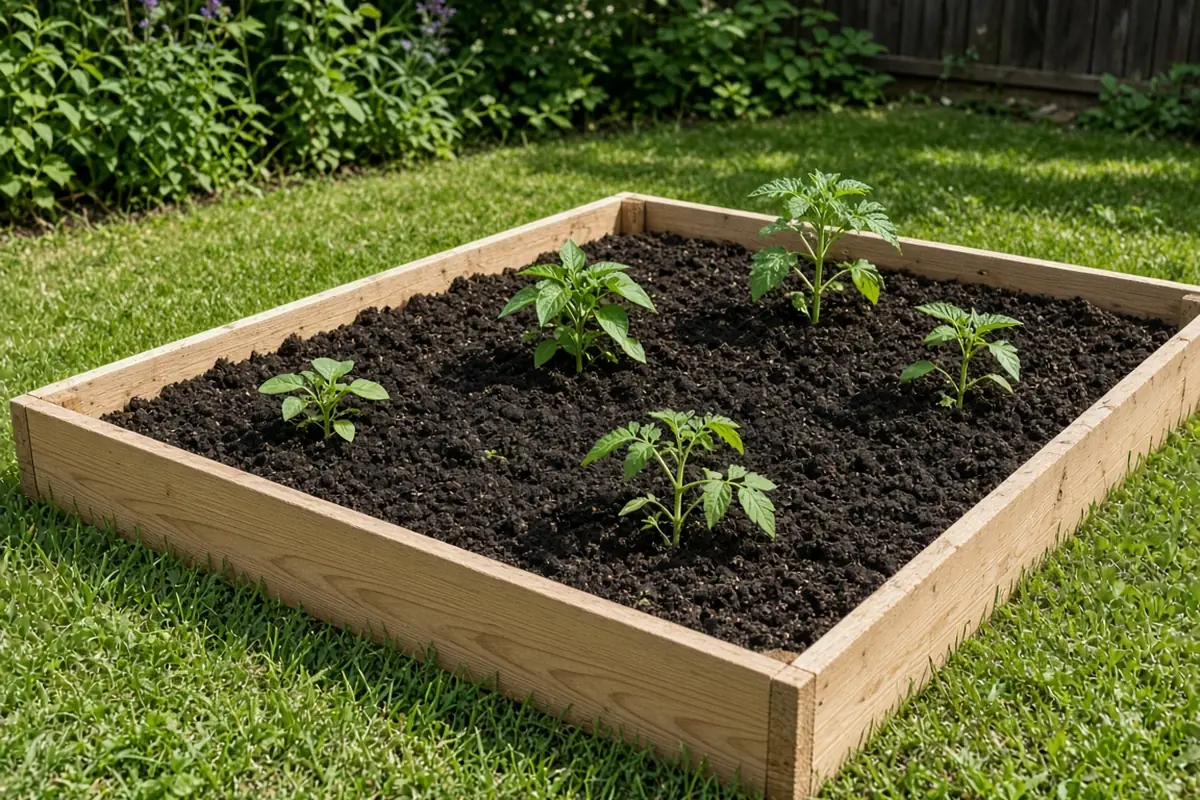
Most vegetables need full sun, which University of Wisconsin Extension defines as at least six hours of direct sunlight each day. NC State Extension notes most vegetables need at least eight hours. A new yard hides its patterns until you watch it. Trees plus buildings may shade a spot from late morning through the afternoon.
Drainage matters too. A garden area should be well drained, so water should not puddle or flow through it in heavy rain. Avoid low spots where frost may settle in late spring or early fall. Avoid steep slopes where runoff could occur.
Also look up before you dig. Do not put a garden within the root zone of black walnut trees, since they produce chemicals that interfere with many vegetables. Tree roots can reach three to five times the height of the tree away from the trunk.
| Season | Task | Goal |
|---|---|---|
| Growing season | Watch sun plus shade on the site | Find a spot with at least six hours of sun |
| After heavy rain | Look for puddles plus runoff | Find well drained ground |
| The year before planting | Remove grass plus smother what is left | Clear the bed site |
| Before planting | Send a soil sample to a lab | Learn pH plus nutrient levels |
| A month before planting | Work in two to three inches of compost | Improve soil structure |
| First planting | Grow a few easy crops | Learn the site without crowding |
Source: University of Wisconsin Extension plus NC State Extension.
What should a soil sample show?
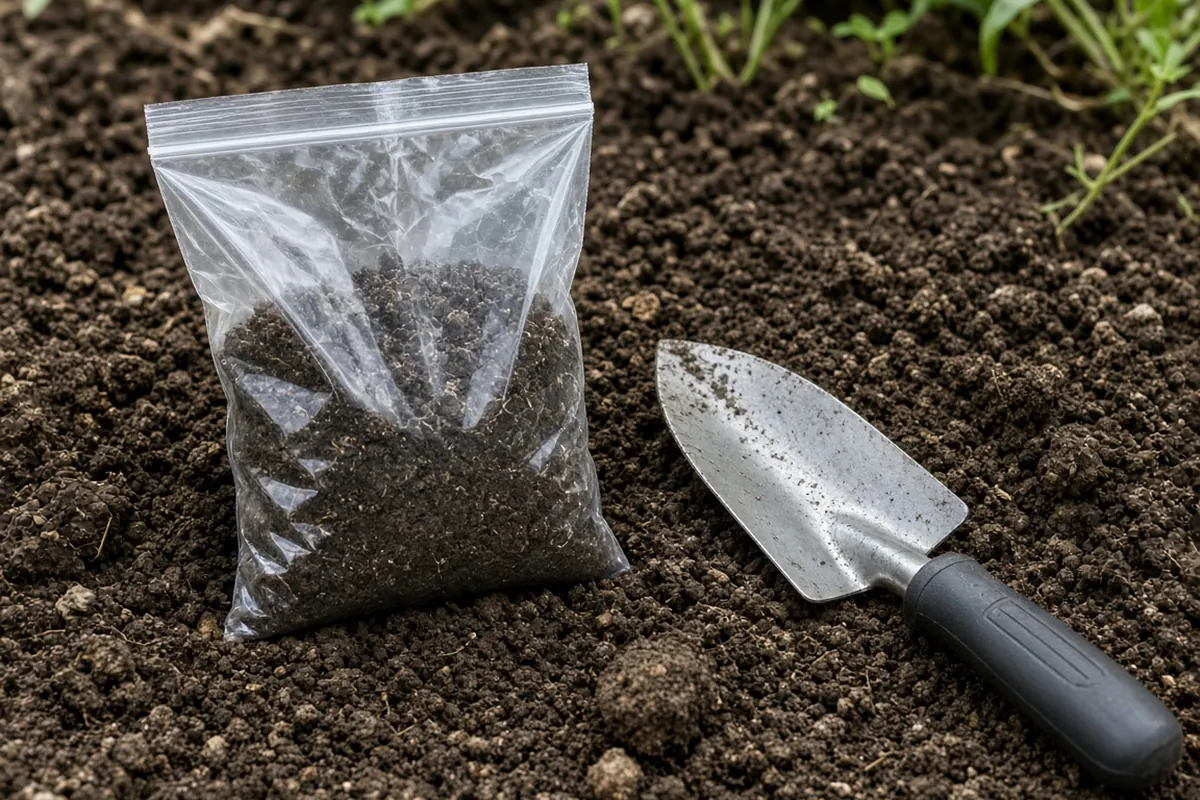
University of Wisconsin Extension notes a soil analysis shows the type of soil, the pH, the amount of organic matter plus the levels of phosphorus and potassium. The optimal pH for a vegetable garden is around 6.5. Most vegetables grow well with a pH anywhere between 6.0 and 7.2. A good lab also gives specific advice on what to add.
NC State Extension notes the county Extension center can provide a kit to have your soil analyzed. You can still submit a sample later, but amending soil after planting is harder.
How big should the first beds be?
University of Wisconsin Extension advises starting small with just a few crops that are easy to grow. Beans, beets, herbs, lettuce, onions, potatoes, radishes, squash plus tomatoes are good options for first time gardeners. Plan the size of the garden based on what you want to grow. Crowded plants are less productive plus more prone to disease.
University of Illinois Extension notes it is always a good idea to draw a plan of the garden. It does not have to be a fancy diagram. For spring or fall crops, do not site beds north of buildings or trees, since they will be shaded in the cooler seasons.
How to: step by step
- Follow sun plus shade on the site across the growing season.
- Mark where water pools after heavy rain.
- Look for black walnut trees.
- Send a soil sample to a lab.
- Strip grass, then smother what remains with cardboard or a tarp.
- Begin with a few easy crops in one small bed.
- Expand beds as you learn the site.
Troubleshooting
Plants grow slowly: too little sun. Move the bed to a spot with at least six hours of direct sun.
Soggy beds: poor drainage. Choose ground where water does not puddle in heavy rain.
Too much work: the garden is too big. Scale back to a few easy crops.
For related reading see planning an outdoor cannabis garden layout, soil for cannabis plus garden microclimates for cannabis. Kind Seed Co also stocks cannabis seeds.
Sources
- Beginning vegetable garden basics: site selection plus soil preparation, University of Wisconsin Extension
- Vegetable gardening for beginners, NC State Extension
- Make a plan, University of Illinois Extension
- Extension Gardener Handbook chapter 1: soils plus plant nutrients, NC State Extension
FAQ
When should I start a garden after moving?
Start by watching. University of Wisconsin Extension advises watching a potential site through the growing season to see where trees or buildings cast shade. It also notes the ideal time to start preparing the site is the year before planting. That gives you time to clear grass plus add compost.
How do I find the sunniest spot?
Watch the yard from late morning through the afternoon. University of Wisconsin Extension notes most vegetables need at least six hours of direct sunlight each day. NC State Extension notes most need at least eight hours. Avoid areas near trees plus large shrubs that compete for light, water plus nutrients.
How do I clear grass for a new bed?
University of Wisconsin Extension advises removing existing grass with a sod cutter or a shovel. Return extra soil from the dug sod to the garden. Then cover the area with cardboard, a tarp or black plastic to smother what is left. Add compost once the area is clear.
Where can I get a soil sample analyzed?
NC State Extension notes the county Extension center can provide a kit to have your soil analyzed plus get specific advice for growing vegetables. University of Wisconsin Extension advises sending a sample to a lab before planting. The report shows pH, organic matter plus nutrient levels, along with what to add.
Which crops suit a first garden?
University of Wisconsin Extension lists beans, beets, herbs, lettuce, onions, potatoes, radishes, squash plus tomatoes as good options for first time gardeners. It advises starting small with just a few crops that are easy to grow. Look up how large each crop grows so plants are not crowded.


