
Magnolia Leaves Turning Brown: Scorch Plus Scale
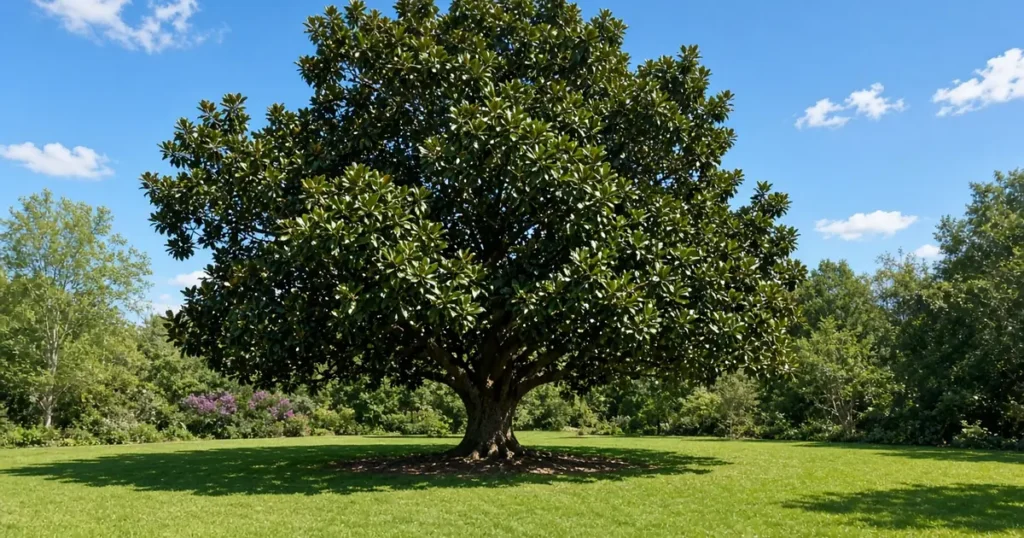
Magnolia leaves turning brown usually point to scorch from dry weather, winter drying or scale insects. Colorado State University Extension explains that drought injury often shows as leaf scorch along margins. Clemson Cooperative Extension notes that scales can infest magnolia twigs plus leaves.
The short answer
Look at the pattern first. Colorado State University Extension notes that drought injury often appears as leaf scorch between veins or along leaf margins. Winter drying of evergreens happens when roots in dry soil cannot replace lost water. UF IFAS Gardening Solutions names magnolia scale as the primary pest of all magnolia species.
How does scorch brown magnolia leaves?
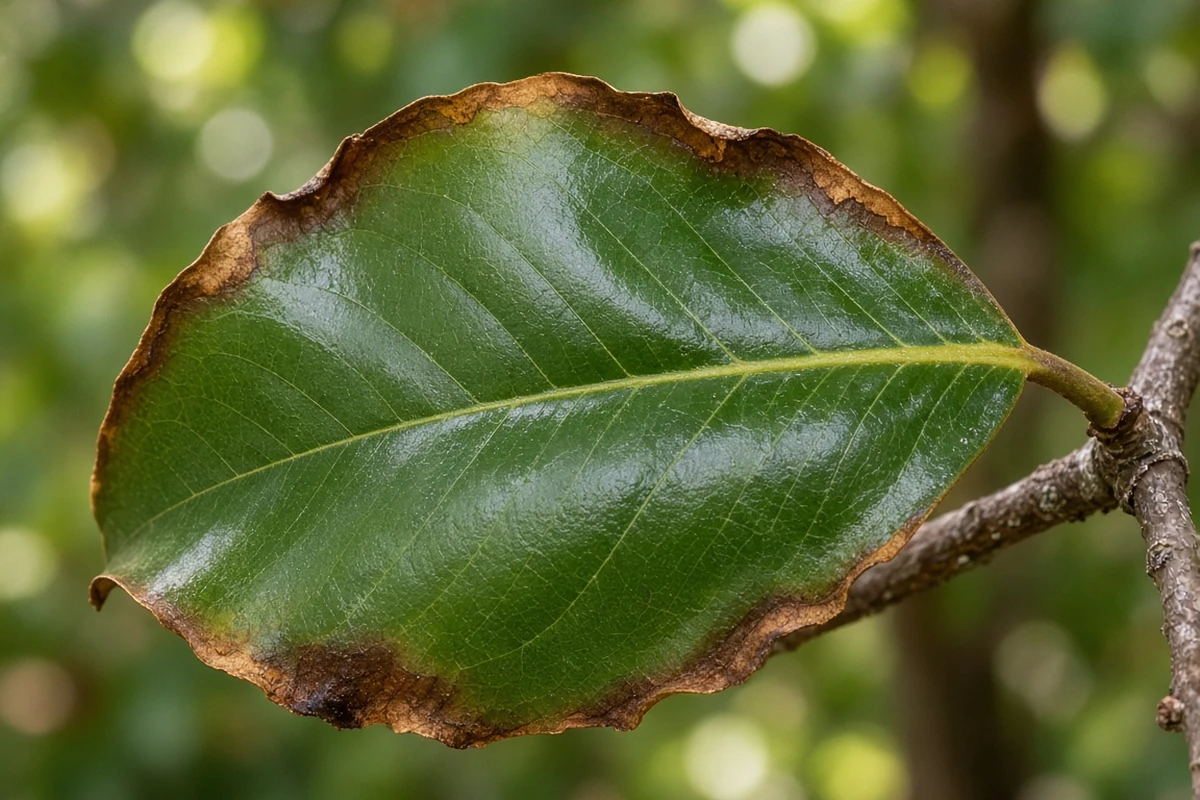
Colorado State University Extension describes drought injury as dehydration that happens when leaves lose more water than the roots can replace. In deciduous trees it most often shows as leaf scorch.
Scorch appears as discolored tissue between leaf veins or along leaf margins, the same source notes. It is most severe on the side exposed to the contributing factor, such as prevailing hot winds.
Contributing factors include prolonged hot dry summer weather, wind, salty soil plus restricted root growth, according to Colorado State University Extension. Leaf scorch damage cannot be reversed.
Can winter cold brown the leaves?
Colorado State University Extension notes that winter drying of evergreens results when water lost through foliage cannot be replaced because the soil is dry. Symptoms usually appear first on the south or southwest side.
The same source notes that winter freezing of deciduous tree roots can cause leaf scorch the following summer. Watering adequately in fall plus winter matters for drought stressed trees.
Clemson Cooperative Extension notes that southern magnolia is an evergreen tree, while other magnolias are deciduous or semi evergreen. Each fall, deciduous types drop their leaves.
| Pattern | Likely cause | Source note |
|---|---|---|
| Brown margins after hot dry weather | Drought scorch | Cannot be reversed |
| Browning on the south side after winter | Winter drying | Water in fall plus winter |
| Bumps on twigs plus leaves | Scale | Primary magnolia pest |
| Spots on leaves | Algal leaf spot | Listed by Clemson |
Source: Colorado State University Extension plus Clemson Cooperative Extension.
How do scale insects show?
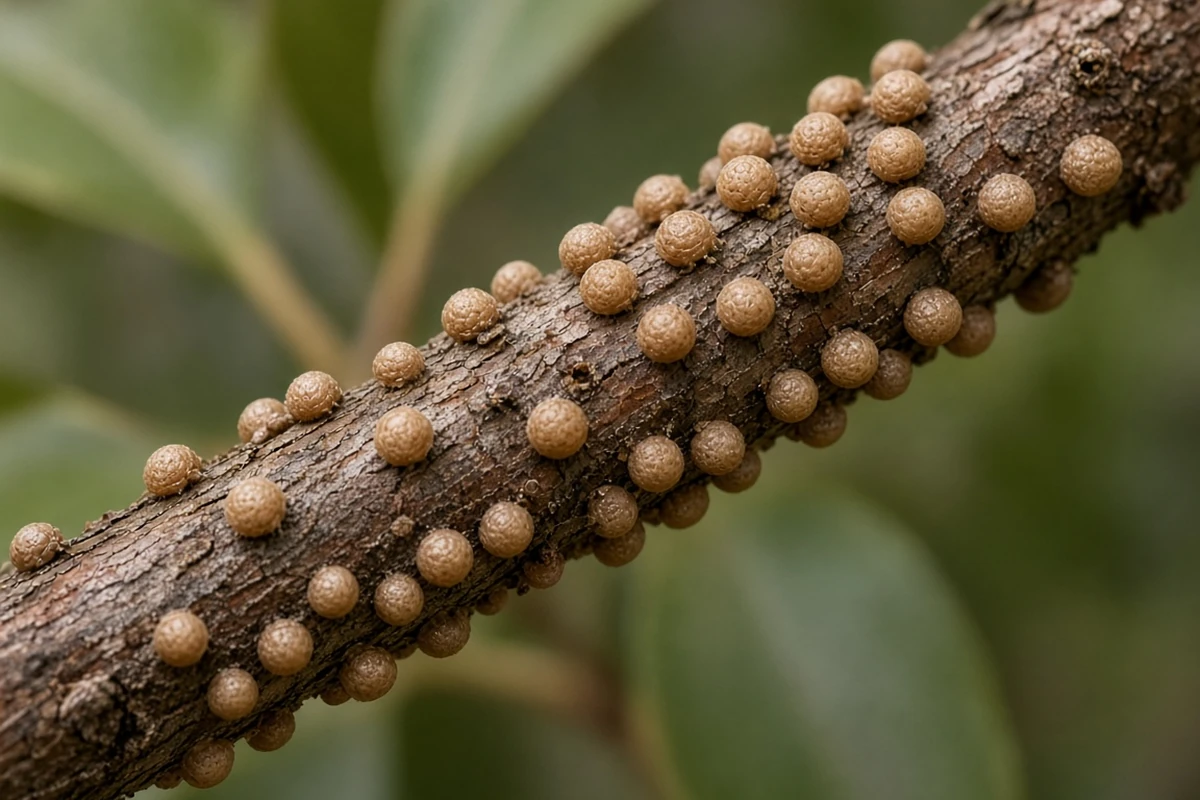
Magnolia scale is the main pest of every magnolia species, per UF IFAS Gardening Solutions. NC State Extension also lists magnolia scale among common problems.
Clemson Cooperative Extension notes that magnolias may be troubled by various types of scales, which can infest twigs plus leaves. Magnolias are also subject to algal leaf spot.
Look along twigs plus leaf undersides for small bumps when leaves start to brown. Clemson adds that beetles may bore into or lay eggs in branches of southern magnolia.
How to: step by step
- Notice which side of the tree browns first.
- See whether browning follows hot dry weather or winter.
- Look along twigs plus leaf undersides for scale bumps.
- Before dry spells, water adequately in fall plus winter.
- Avoid compacted soil plus excess water around roots.
- If dead twigs need removal, prune after flowering.
Troubleshooting
Brown margins in late summer: drought scorch. Water during dry spells.
South side browning after winter: winter drying. Water in fall.
Bumpy twigs plus leaves: scale. Inspect plus remove infested twigs.
For related reading see mulch for cannabis, frost damage on cannabis plus 7 ways to guard marijuana plants from pests. Kind Seed Co also stocks cannabis seeds.
Sources
- Magnolia, Clemson Cooperative Extension HGIC
- Magnolia, NC State Extension Gardener Plant Toolbox
- Magnolias, UF/IFAS Gardening Solutions
- Environmental disorders of woody plants, Colorado State University Extension
FAQ
Do magnolias drop leaves naturally?
Yes, some do. UF IFAS Gardening Solutions notes that magnolias divide into two groups, those that lose their leaves plus those that stay evergreen. NC State Extension adds that species are either evergreen or deciduous. Leaf drop in fall is normal for deciduous types such as saucer magnolia.
How much water do magnolias need?
Clemson Cooperative Extension notes that most magnolias tolerate moderate drought plus some tolerate wet soils. UF IFAS Gardening Solutions says all magnolias grow well in moist, well drained, slightly acid soils. Colorado State University Extension adds that adequate fall plus winter watering matters for drought stressed trees.
Can brown magnolia leaves recover?
No. Colorado State University Extension notes that damage from leaf scorch, winter drying plus drought injury cannot be reversed. Brown tissue will not turn green again. Focus on the conditions that caused it so that new leaves come in without the same damage.
When should magnolias be pruned?
Clemson Cooperative Extension advises pruning magnolias after flowering. Remove dead or scale infested twigs at that time. Field grown trees plant out well in late winter or early spring, according to the same source. Pruning time is also a good moment to check twigs for scale.
What site suits magnolias?
UF IFAS Gardening Solutions notes that all magnolias grow well in moist, well drained, slightly acid soils with morning sun plus afternoon shade. NC State Extension lists chlorosis in high pH soils as a common problem. Southern magnolia can reach 60 to 80 feet tall per Clemson.



