
Mailbox Garden: A Small Roadside Bed Around a Post
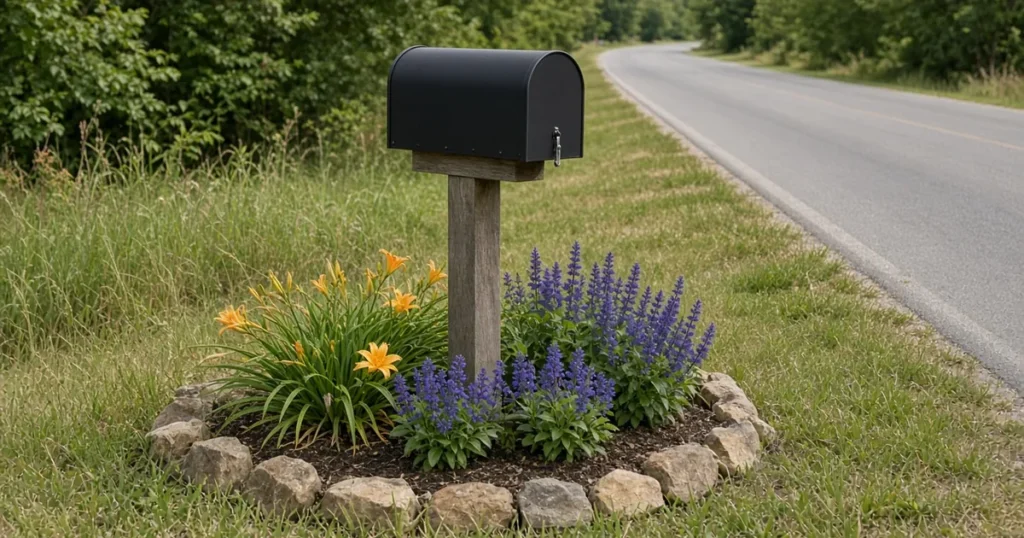
A mailbox garden is a small bed around a roadside post, often far from the hose plus in full sun. Clemson Cooperative Extension advises choosing plants that are hardy plus heat tolerant for your area, which suits a small bed out by the road.
The short answer
Plant low, hardy plants that tolerate heat plus leave a clear path to the box. Clemson advises plants that are hardy plus heat tolerant for your area. Work compost into the soil, then mulch about 3 inches deep. Divide perennials in spring when the centers die out or blooms get smaller.
Which plants suit a mailbox bed?
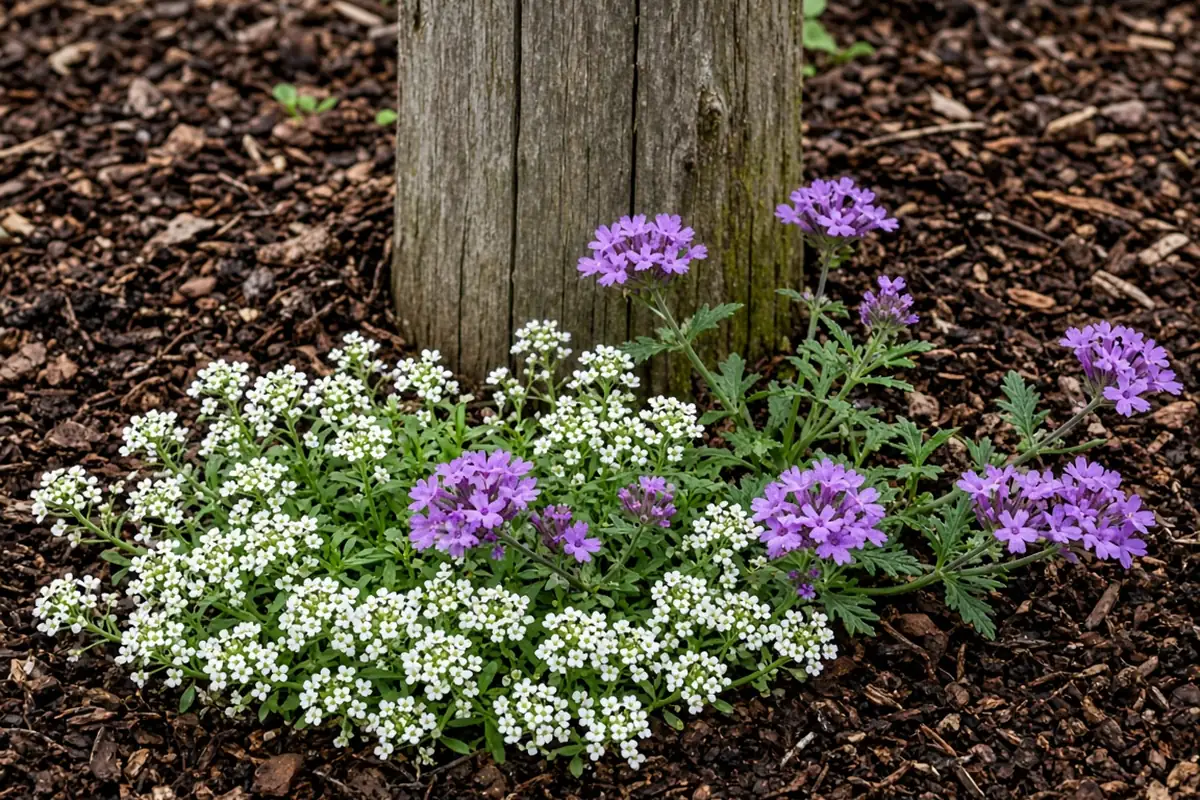
Clemson advises plants that are hardy plus heat tolerant for your area plus checking mature size before planting. Low perennials suit a mailbox bed since they do not block the box. Clemson also advises against overplanting a small bed.
How do you reach the mailbox easily?
Leave an open strip in front of the box. Clemson advises entrance walks at least 4½ feet wide plus notes tall plants should not cover windows. The same idea fits a mailbox, so put the lowest plants on the side where you stand.
How do you feed plus mulch a mailbox bed?
UF IFAS Extension advises working 1 to 3 inches of compost into the top 3 to 4 inches of soil.
| Task | Amount | Source |
|---|---|---|
| Compost into soil | 1 to 3 inches | UF IFAS |
| Compost as mulch | 3 to 4 inches, 2 to 3 inches from stems | UF IFAS |
| Organic mulch | About 3 inches | Wisconsin |
| Mulch around low plants | 1½ to 2 inches | Wisconsin |
How to: step by step
- Mark an open spot where you stand to reach the box.
- Work 1 to 3 inches of compost into the soil.
- Use hardy, heat tolerant perennials.
- Put the lowest plants nearest the box.
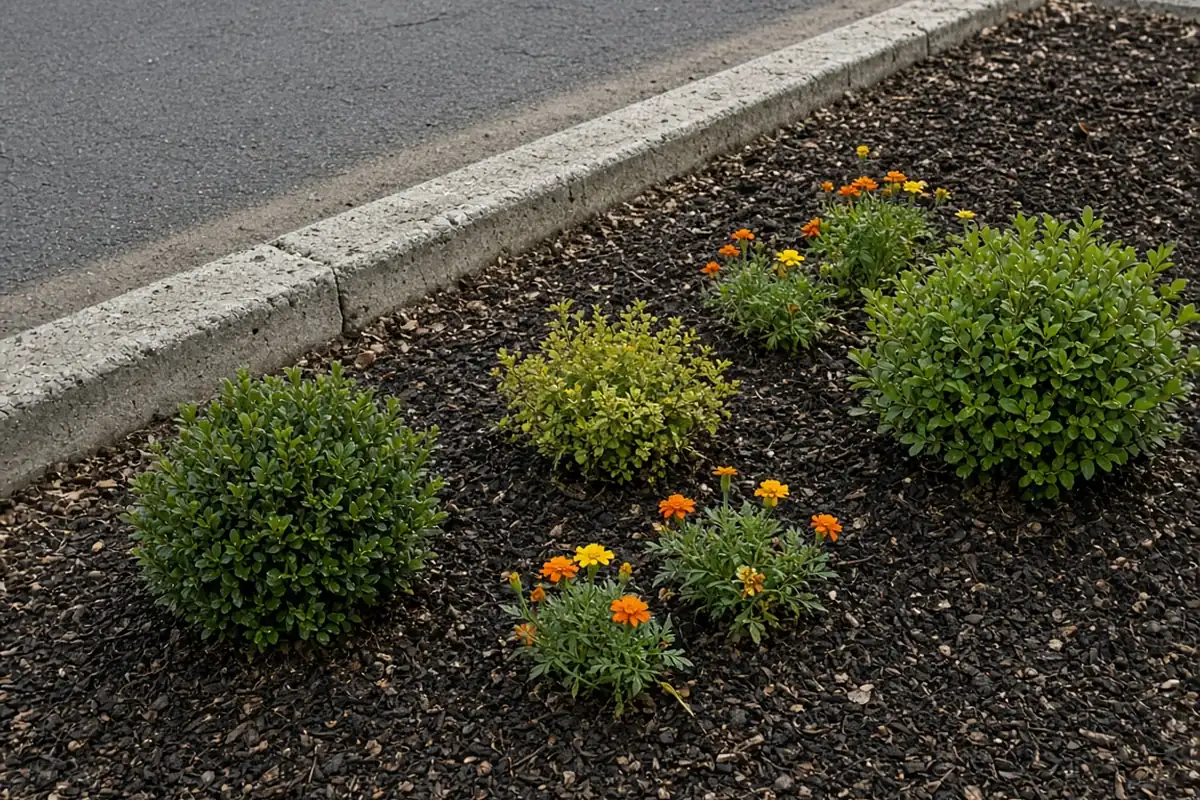
- Mulch about 3 inches deep, thinner around low plants.
- Divide crowded perennials in spring.
Troubleshooting
Plants turn yellow after compost: UF IFAS notes unfinished compost may yellow plants. Use mature compost.
Bald center in a clump: University of Minnesota Extension notes this is a sign to divide.
Plants block the box: Clemson advises checking mature size. Shift tall plants to the back.
For more on site planning see garden microclimates for cannabis, planning an outdoor cannabis garden layout plus deer and cannabis gardens. Kind Seed Co also stocks cannabis seeds.
Sources
- Foundation plantings, Clemson Cooperative Extension HGIC
- How to use compost, UF/IFAS Extension Sarasota County
- Mulches for home gardens and plantings, University of Wisconsin Extension Horticulture
- Dividing perennials, University of Minnesota Extension
FAQ
How deep should mulch go in a mailbox bed?
University of Wisconsin Extension notes most organic mulches go about 3 inches deep. Around low plants it advises 1½ to 2 inches. UF IFAS notes compost can serve as mulch at 3 to 4 inches if it sits 2 to 3 inches away from plant stems in the bed.
Should compost go in a mailbox bed?
UF IFAS Extension advises working 1 to 3 inches of compost into the top 3 to 4 inches of soil before planting. It notes unfinished compost may cause plants to turn yellow, so use compost that has fully broken down. Roadside soil is often poor, so this step helps new plants settle in.
When should mailbox perennials be divided?
University of Minnesota Extension notes spring is a good time to divide many perennials. It lists signs that a plant needs dividing, such as smaller blooms, a bald center or stems that need staking. Dividing also gives you new plants to fill gaps in a small roadside bed.
How many plants fit in a mailbox bed?
Clemson Cooperative Extension advises against overplanting plus suggests checking the mature width of each plant before you set it in the ground. In a small bed around a post, a few plants spaced for their full size will look tidy longer plus leave room to reach the box.
Can hostas grow in a mailbox bed?
Hostas can work where the post sits in shade. University of Minnesota Extension notes hostas are divided in spring. Most roadside mailbox posts get full sun, though, so Clemson advice to choose plants that are hardy plus heat tolerant for your area matters more in most yards.



