
Orchid Leaves Turning Yellow: Watering Plus Light Checks
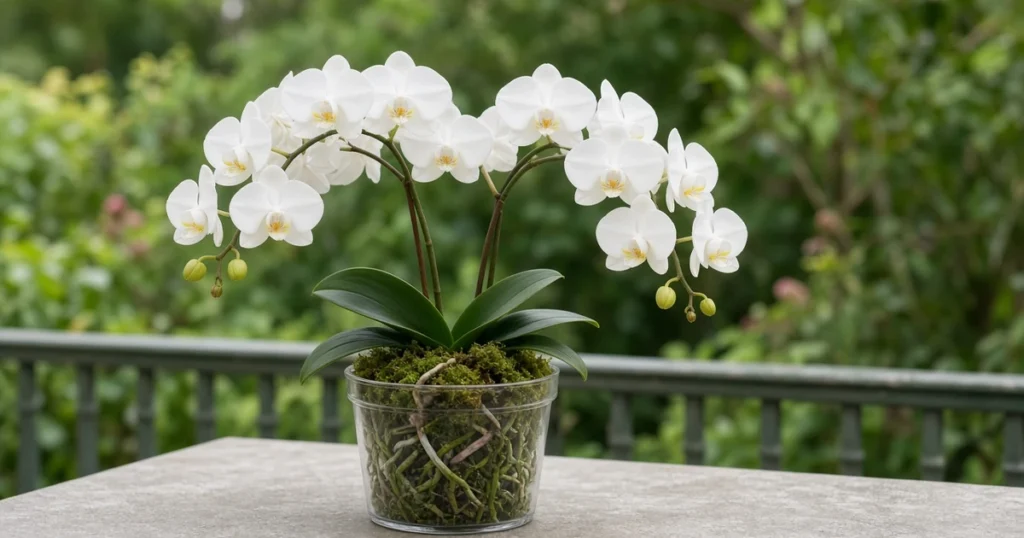
Orchid leaves turning yellow call for a check of roots, watering plus light. The cited Extension sources do not list yellowing causes directly, so start with the basics they cover. Clemson Cooperative Extension says one of the quickest ways to kill an orchid is a waterlogged pot.
The short answer
Start with the roots. NC State Extension notes that roots are often rotted by a soggy growing medium, which leaves the plant short of water. Clemson Cooperative Extension cautions against waterlogged pots. Then check light. Moth orchids perform well in a bright window with little or no direct sun, such as an east window.
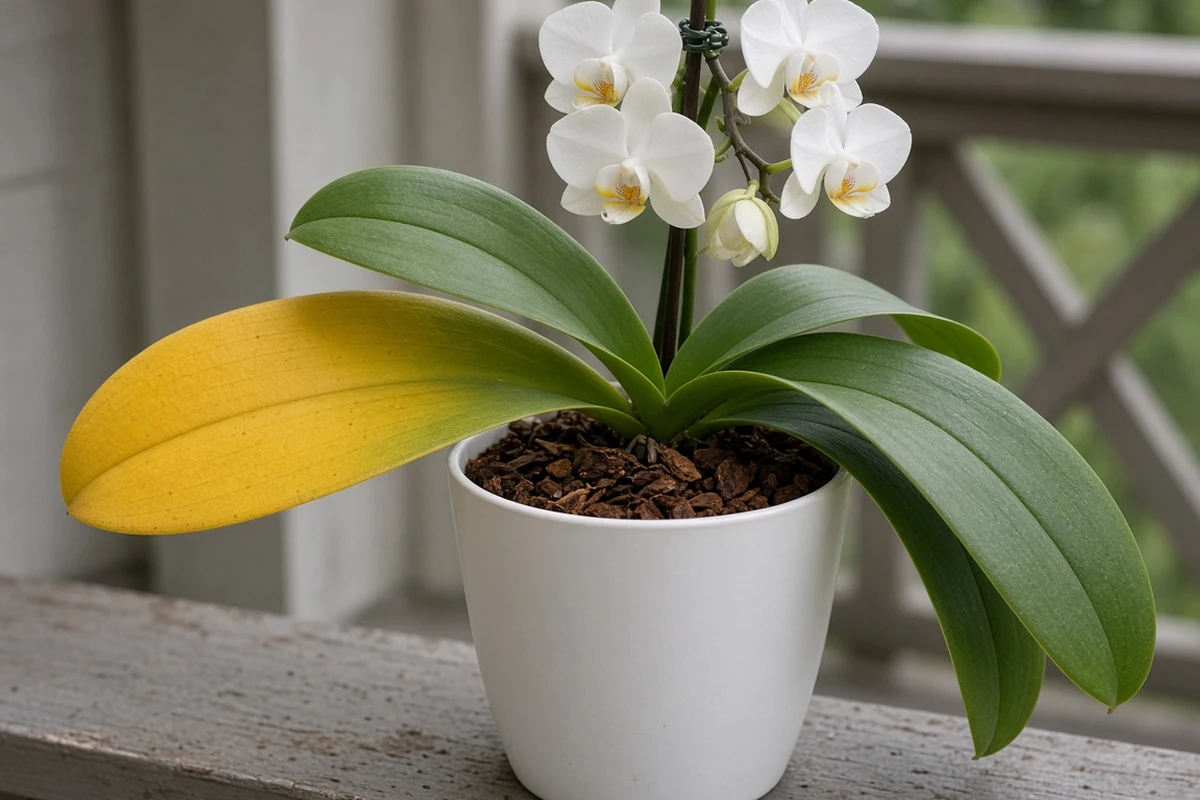
How does overwatering show?
Clemson Cooperative Extension says one of the quickest ways to kill an orchid is to let it sit in a waterlogged pot. Watering frequency depends on orchid type, media, light plus container.
NC State Extension notes that shriveled or wrinkled leaves mean the leaves are not getting enough water. Either the medium is too dry or the roots are damaged, often rotted by a soggy medium.
NC State advises letting the pot drain completely so plants do not stand in water. Between waterings, potting mix should dry some.
Can light cause leaf problems?
UF IFAS Gardening Solutions notes that orchids typically prefer at least partial shade or filtered sunlight. Most orchids prefer bright, indirect light plus will not bloom without it.
Clemson Cooperative Extension says moth orchids perform well in a bright window with little or no direct sun, such as an east window. Cattleyas require twice as much light.
Clemson adds that light levels that are too low show as very dark green leaves. Illinois Extension notes that the sun sits higher in winter, which changes brightness indoors.
| Sign | Likely issue | Source note |
|---|---|---|
| Wrinkled leaves plus soft roots | Root rot from soggy mix | Let the pot drain fully |
| Very dark green leaves | Too little light | Common reason for no flowers |
| Broken down bark | Old medium | Replace every two years or so |
| Plant near a cold window | Cold stress | Avoid cold windows |
Source: NC State Extension plus Clemson Cooperative Extension.
Does the potting medium matter?
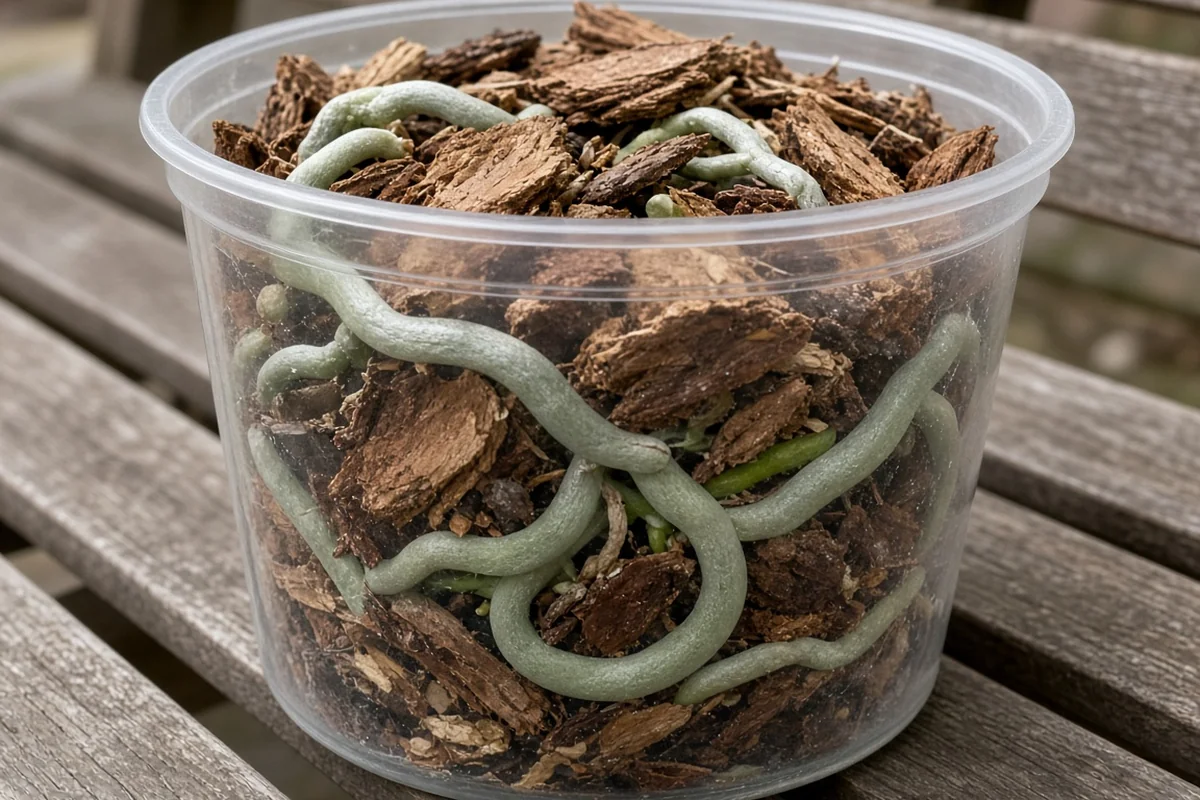
NC State Extension notes that moth orchids grow in a bark based medium that provides excellent drainage. They prefer warm, humid, damp but not soggy conditions.
UF IFAS Gardening Solutions says orchid media should be replaced every two years or so. Orchids should be repotted when the media breaks down or the plant outgrows the pot.
When repotting, UF advises removing old media plus any dead or diseased roots first. Water right away, but skip fertilizer for at least several weeks.
How to: step by step
- Slide the plant out plus inspect the roots.
- Snip dead or diseased roots.
- Repot into fresh bark based mix if the old mix has broken down.
- Water in the morning plus let the pot drain fully.
- Shift moth orchids to a bright east window.
- In winter, avoid cold windows.
Troubleshooting
Soft dark roots plus wrinkled leaves: soggy mix. Repot plus drain.
Very dark leaves, no flowers: low light. Move closer to a window.
Leaves near cold glass: cold. Move the plant.
For related reading see overwatering and cannabis growth, optimal lighting for growing indoors plus what factors affect relative humidity control for cannabis. Kind Seed Co also stocks cannabis seeds.
Sources
- Orchids, UF IFAS Gardening Solutions
- Orchids, Clemson Cooperative Extension HGIC
- Phalaenopsis (moth orchid), NC State Extension Gardener Plant Toolbox
- Lighting, houseplants, Illinois Extension
FAQ
How often should orchids be watered?
NC State Extension says mature moth orchids should be watered once weekly or more often in the heat of summer. Water in the morning with tepid water, letting it flow freely through the medium. Let the pot drain completely plus let the mix dry some between waterings.
When should orchids be repotted?
NC State Extension says orchids need repotting approximately every two years after blooms fade. UF IFAS Gardening Solutions adds that repotting is due when the media breaks down or the plant outgrows its pot. Remove old media plus dead roots before setting the plant in fresh mix.
Why are orchid leaves limp?
NC State Extension notes that shriveled or wrinkled leaves are a sign the leaves are not getting enough water. Either the potting medium is too dry or the roots are damaged, often rotted by a soggy medium. Check the roots before adding more water.
How much light do orchids need?
Clemson Cooperative Extension says moth orchids thrive under low light levels of 1500 to 1700 foot candles. They do well in a bright window with little or no direct sun. Cattleyas need twice that amount. Illinois Extension notes that plants need under 16 hours of light.
What temperature suits orchids?
Clemson Cooperative Extension recommends a minimum night temperature of 65 F for phalaenopsis, 60 F for cattleya plus 52 F for dendrobium. Daytime temperatures 10 to 15 degrees warmer suit them. Avoid placing plants near a window during extremely cold weather, the same source advises.



