
English Ivy Leaves Turning Brown: Tipburn Plus Spider Mites
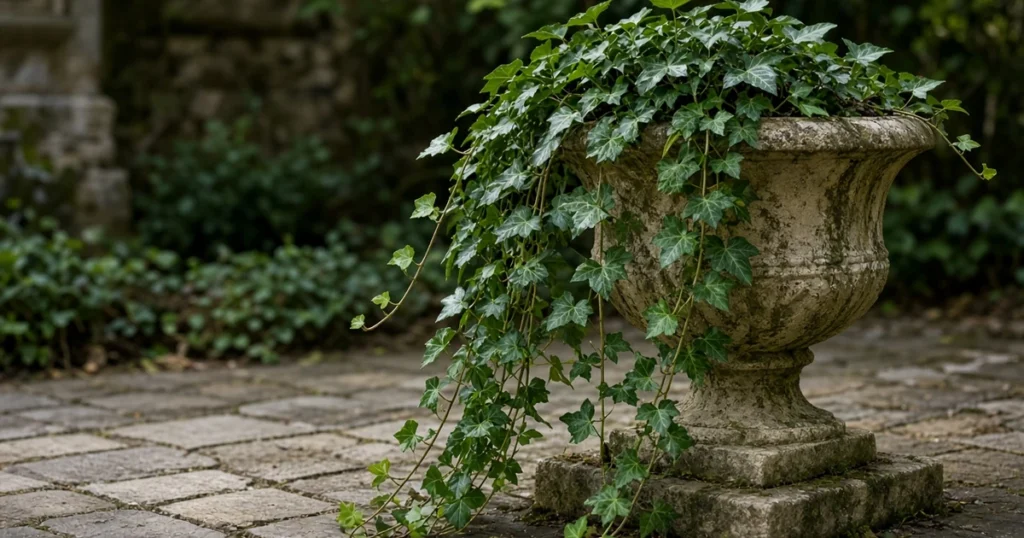
English ivy leaves turning brown usually point to tipburn or spider mites. University of Missouri Extension says tipburn browns leaf tips plus margins and often follows improper watering or excess fertilizer. NC State Extension lists mites among English ivy problems, and University of Minnesota Extension describes how spider mite feeding discolors leaves.
The short answer
Check tips plus undersides. University of Missouri Extension says tipburn browns leaf tips plus margins while the rest of the leaf stays green. Excess fertilizer, improper watering plus fluoride are the three main causes. University of Minnesota Extension notes that spider mites make leaves stippled, then bronzed or bleached, with webbing in heavy infestations.
What is tipburn on ivy?
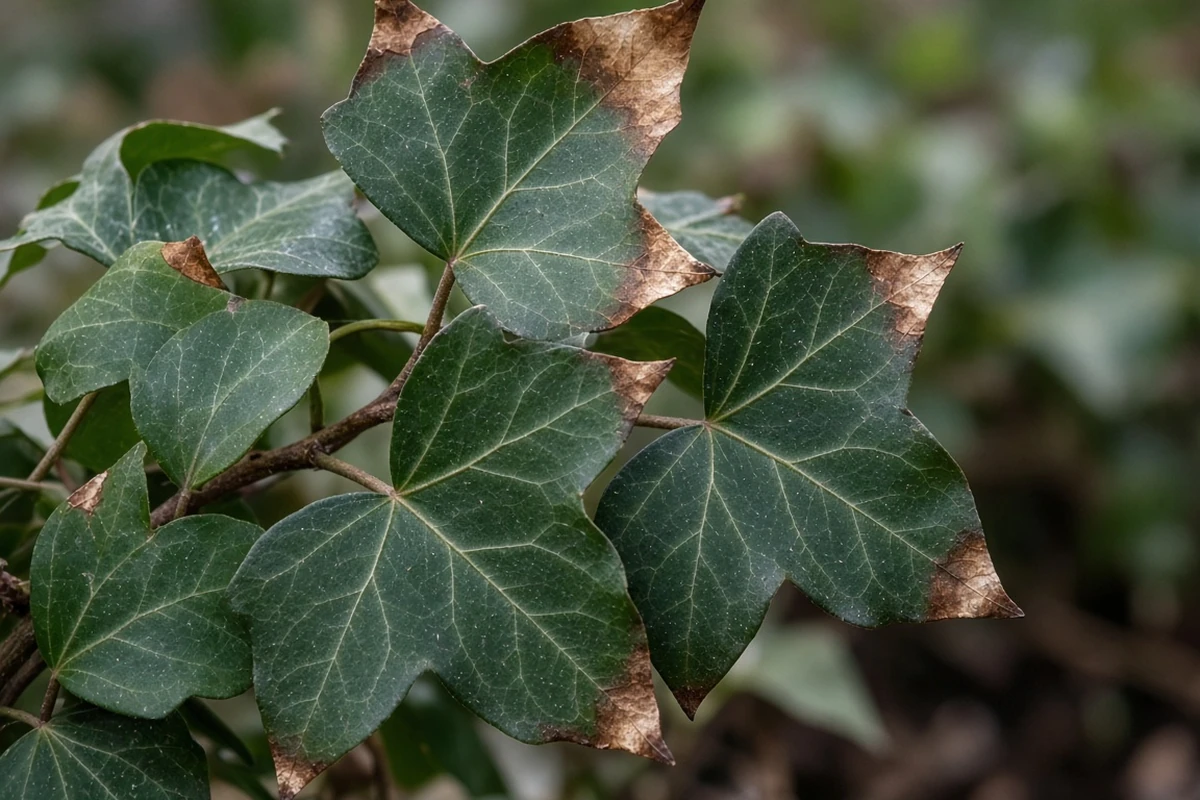
University of Missouri Extension describes tipburn as browning of leaf tips plus margins while the rest of the leaf looks normal. New leaves may emerge normal, then brown at the tips as they mature.
Tipburn is not a disease, the same source notes. It most often comes from excessive fertilizer, improper watering or fluoride.
Once a tip dies, there is no way to return it to its normal look. Clipping off the dead part is one option, but prevention is more practical.
How do spider mites show on ivy?
NC State Extension lists aphids, mealybugs, caterpillars, mites, loopers plus scale as English ivy pests. University of Minnesota Extension notes that twospotted spider mites infest over 200 plant species.
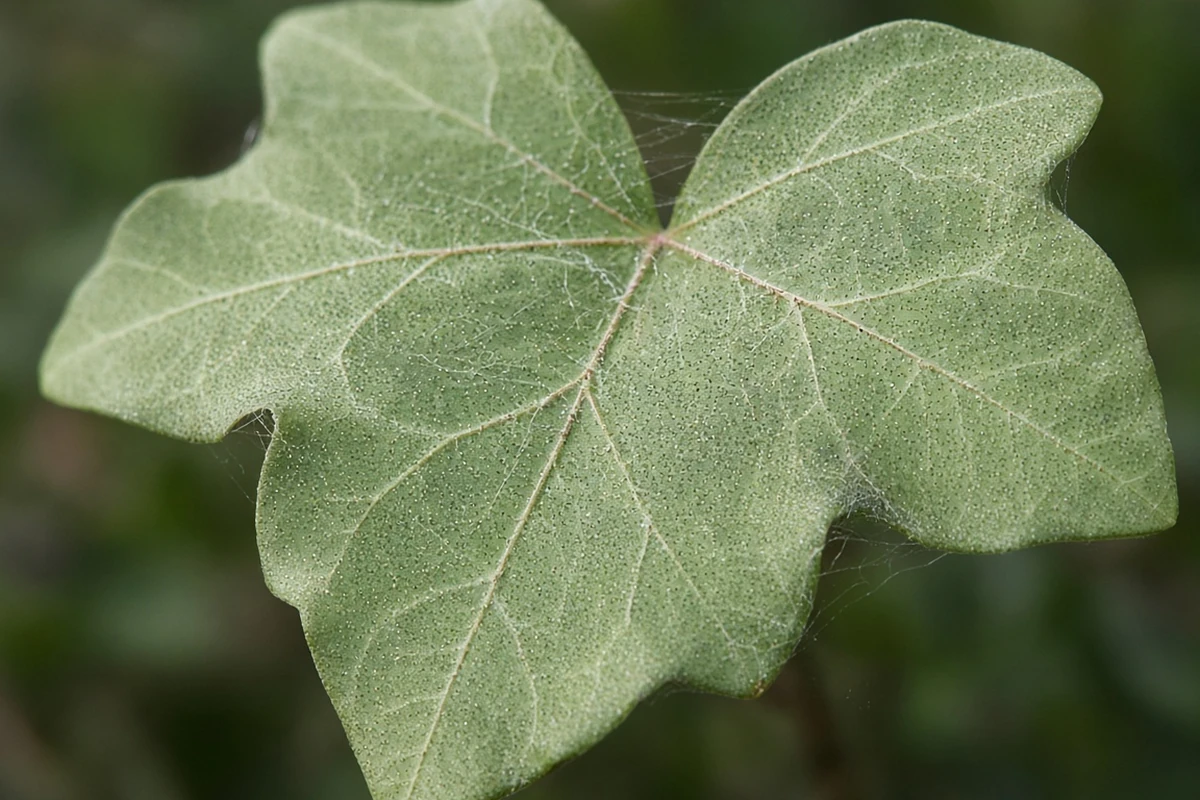
Mites feed on sap on leaf undersides, which produces tiny white or yellow spots, according to Minnesota. As feeding grows worse, plants look bronzed or bleached plus leaves may drop.
Minnesota suggests looking with a hand lens under discolored leaves or shaking leaves over white paper. A high pressure water spray can dislodge mites plus wash away webbing.
| Sign | Likely cause | Source note |
|---|---|---|
| Brown tips plus margins | Tipburn | Salts, watering or fluoride |
| Stippled leaves with webbing | Spider mites | Feed under leaves |
| White crust on the mix | Salt buildup | Flush with clear water |
| Bronzed leaves dropping | Heavy mite feeding | Check with a hand lens |
Source: University of Missouri Extension plus University of Minnesota Extension.
How does watering cause browning?
University of Missouri Extension notes that more houseplants are killed from overwatering than from any other cause. Letting the mix become too dry also raises salt levels in the root zone.
Most houseplants in a soilless medium should stay uniformly moist but not wet, the same source says. A whitish crust on the mix means it should be flushed with clear water.
Missouri also advises never watering houseplants with softened water, which adds salts. For fluoride sensitive plants, rainwater or distilled water plus a perlite free mix help.
How to: step by step
- Note where the browning starts on each leaf.
- With a hand lens, check leaf undersides.
- To spot mites, shake a stem over white paper.
- If a white crust shows, flush the mix with clear water.
- Water so the mix remains moist but not wet.
- Avoid softened water.
Troubleshooting
Brown tips on mature leaves: tipburn. Flush salts plus even out watering.
Speckled leaves with webbing: spider mites. Spray with water.
White crust on the mix: salt buildup. Flush with clear water.
For related reading see what factors affect relative humidity control for cannabis, 7 ways to guard marijuana plants from pests plus bugs or insects for a cannabis grow. Kind Seed Co also stocks cannabis seeds.
Sources
- Hedera helix, NC State Extension Gardener Plant Toolbox
- Twospotted spider mites in home gardens, University of Minnesota Extension
- Lighting, houseplants, Illinois Extension
- Leaf tipburn on houseplants, University of Missouri IPM
FAQ
How often should indoor ivy be watered?
University of Missouri Extension says most houseplants in soilless mix should stay uniformly moist but not wet. Overwatering kills more houseplants than any other cause. Letting the mix dry too far raises salts in the root zone, which can lead to tipburn on leaf tips.
Does ivy like cool rooms?
The cited sources do not set a room temperature for English ivy. University of Minnesota Extension notes that spider mite infestations are common in hot, dry weather. Under temperatures above 90 F, colonies can reach high numbers in less than two weeks. Hot conditions favor mites by that account.
Can ivy grow in low light?
NC State Extension lists English ivy for conditions from deep shade to full sun. Illinois Extension notes that some plants tolerate moderate to low light, while most perform well in bright light. In low light conditions, plants benefit from a longer light duration of 14 to 16 hours.
How is ivy propagated?
The four cited sources do not describe ivy propagation in detail, so that topic is left to a later post. NC State Extension notes that English ivy has a rapid growth rate. Its listed growth habits include ascending, climbing, creeping plus prostrate forms.
Can brown ivy leaves turn green again?
No. University of Missouri Extension says once a leaf tip dies, there is no way to return it to its normal appearance. Clipping off the dead portion is one possibility. Fixing watering plus salts matters more, since new leaves can brown the same way as they mature.



