Shallots vs Onions: Bulbs Flavor plus Growing
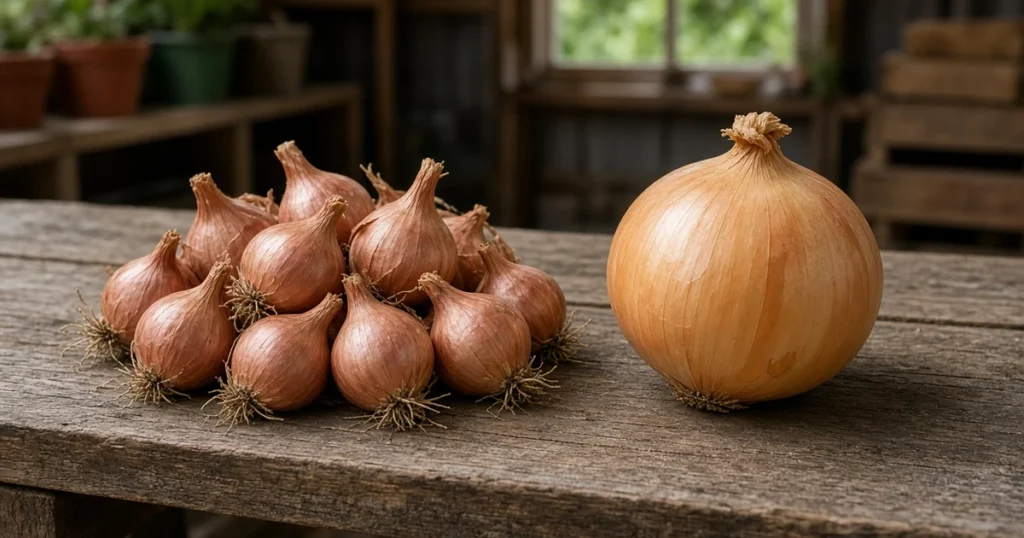
In the shallots vs onions comparison, the plants grow differently. UF/IFAS notes shallots form clusters of small bulbs, much like garlic, rather than single onions, plus have a delicate, mild flavor. NC State Extension lists shallot as a common name within Allium cepa, so both need similar sun plus soil.
The short answer
Shallots vs onions comes down to bulb form plus flavor. UF/IFAS notes the shallot is a mild onion that grows in clusters of small bulbs rather than as a single onion, plus both leaves plus bulbs can be harvested. Utah State University Extension notes both are cool season crops that need full sun plus fertile, well drained soil.
How do shallot plus onion bulbs differ?
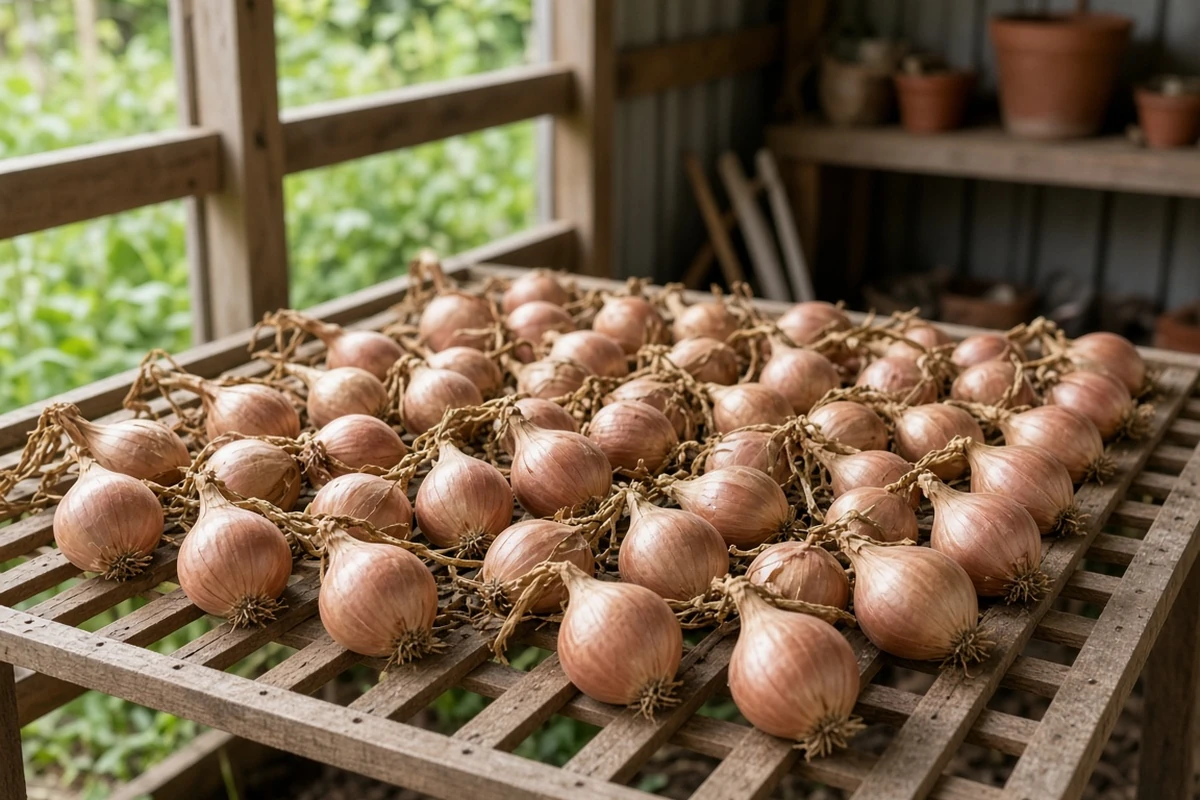
UF/IFAS notes shallots grow in clusters of small bulbs, much like garlic, rather than as individual onions. Shallot bulbs measure three quarters of an inch to one and a half inches across plus can be red, pink, white, gray or reddish brown.
| Trait | Shallot | Onion |
|---|---|---|
| Bulb form | Cluster of small bulbs | Single bulb |
| Usual start | Bulb sets, sometimes seed | Seed, sets or transplants |
| Parts harvested | Leaves plus bulbs | Bulbs plus tops |
| Soil pH | 5.5 to 7.5 | 6.0 to 7.0 |
Sources: Utah State University Extension, UF/IFAS, NC State Extension plus University of Minnesota Extension.
How are shallots planted?
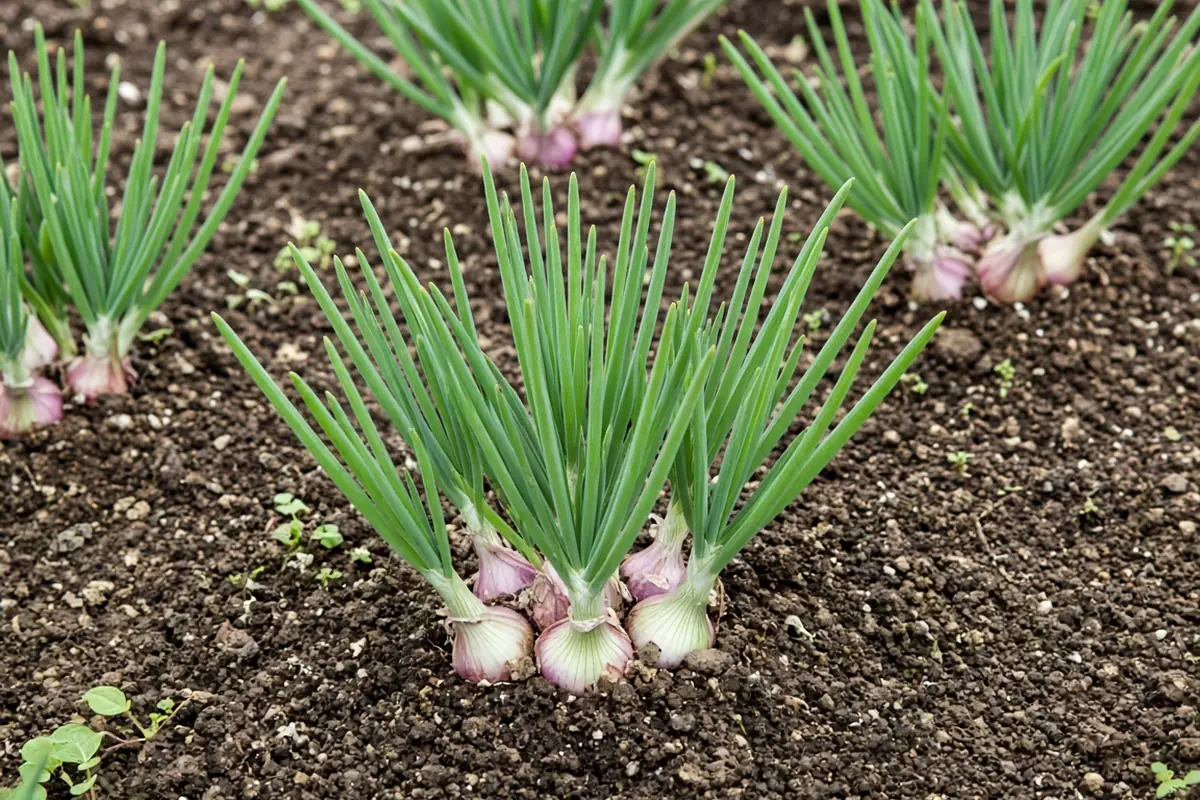
Utah State University Extension notes shallots are generally planted as bulb sets 1 to 2 inches deep, 3 to 6 inches apart in rows 12 to 18 inches apart. Close spacing gives smaller single bulbs while wide spacing gives clusters. UF/IFAS suggests leaving the growing point exposed above the soil.
Do shallots plus onions need the same care?
Mostly. Utah State University Extension notes both are cool season crops that grow in full sun plus fertile, well drained soil, need regular watering plus benefit from mulch. University of Minnesota Extension notes onions are shallow rooted plus need constant moisture.
How to: step by step
- Pick a sunny bed with fertile, well drained soil.
- Dig in organic matter before planting.
- Plant shallot sets 1 to 2 inches deep plus 3 to 6 inches apart.
- Begin onions from seed, transplants or sets in early spring.
- Water regularly plus mulch to hold moisture.
- Lift bulbs once most tops have fallen over, then store cool plus dry.
Troubleshooting
Single small shallot bulbs: sets planted too close. Utah State University Extension notes wide spacing gives bulb clusters.
Poor onion growth: dry soil. Shallow onion roots dry out fast, so water often enough to hold the soil evenly moist.
Fall planted shallots yield poorly: very cold winters. Utah State University Extension suggests frost cloth in zones 4 or 5.
For related reading see cannabis leaf anatomy, raised beds for cannabis plus soil drainage checks for cannabis beds. Kind Seed Co also stocks cannabis seeds.
Sources
- How to grow shallots in your garden, Utah State University Extension
- Onions plus shallots, UF/IFAS Gardening Solutions
- Allium cepa (onion), NC State Extension Gardener Plant Toolbox
- Growing onions in home gardens, University of Minnesota Extension
FAQ
How do shallots taste compared with onions?
UF/IFAS describes the shallot as an onion with a delicate, mild flavor. Utah State University Extension notes flavor varies by variety. French Red is the most common shallot sold, Gray Griselle has a fine flavor, while Dutch Yellow has a sharper flavor plus tastes more like an onion.
When are shallots harvested?
UF/IFAS suggests harvesting shallots in early summer when the leaves turn brown, about 50 to 60 days after planting in Florida. Utah State University Extension advises lifting mature bulbs when most of the tops have fallen over. Leaves can also be harvested during the year for use as green onions.
Do shallots store as well as onions?
Both store dry. UF/IFAS advises storing dry shallot bulbs in a cool, dry area plus saving some for next season. Green shallot tops should be refrigerated plus used within two weeks. University of Minnesota Extension notes onions must be cured in a warm, dry, well ventilated area before storage.
How deep should shallots be planted?
Utah State University Extension advises planting shallot bulb sets 1 to 2 inches deep plus seeds 1/4 to 1/2 inch deep. Seeds emerge 10 to 14 days after planting plus are thinned to 2 to 4 inches apart. UF/IFAS suggests leaving the growing point of each bulb exposed above the soil surface.
Can shallots be planted in fall?
Yes. Utah State University Extension notes shallot sets can be planted in autumn after the first frost for a late spring harvest, though very cold winters can reduce yield. In zones 4 or 5, cover fall bulbs with frost cloth. UF/IFAS adds that fall is a great time to plant shallots in Florida.