Leeks vs Green Onions: Leaves Shanks plus Season
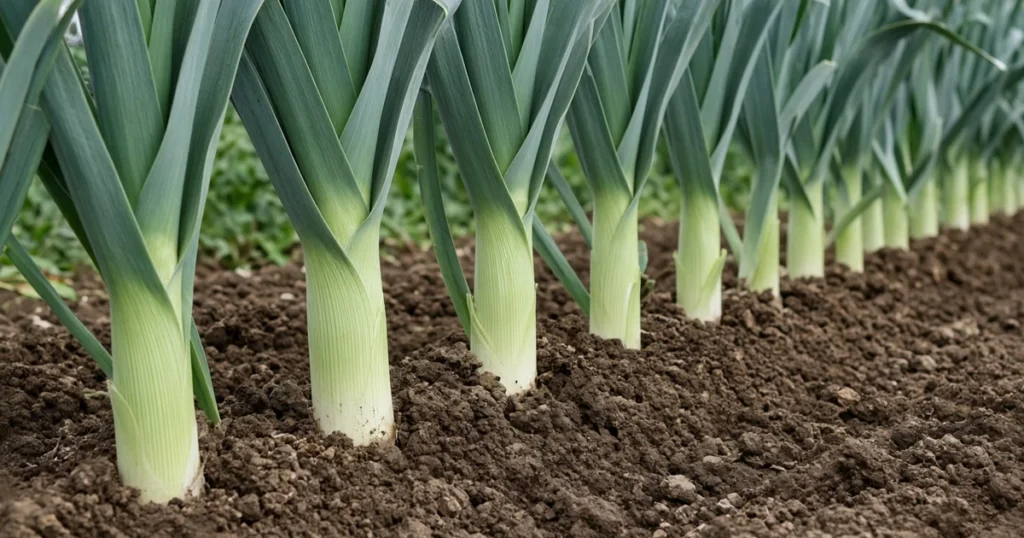
In the leeks vs green onions comparison, leeks are the larger, slower crop. University of Minnesota Extension notes leeks look like overgrown green onions with a long white shaft plus thick, flat, folded leaves. Most need 120 to 150 days to mature, while UF/IFAS notes leeks taste milder plus sweeter.
The short answer
Leeks vs green onions differ in species, leaves plus season. University of Wisconsin Extension notes leeks are Allium porrum, related to the onion, Allium cepa, but with flat leaves plus little bulb development. University of Minnesota Extension notes most leeks need 120 to 150 days plus are hilled to lengthen the white shaft.
How do leek plus green onion plants look different?
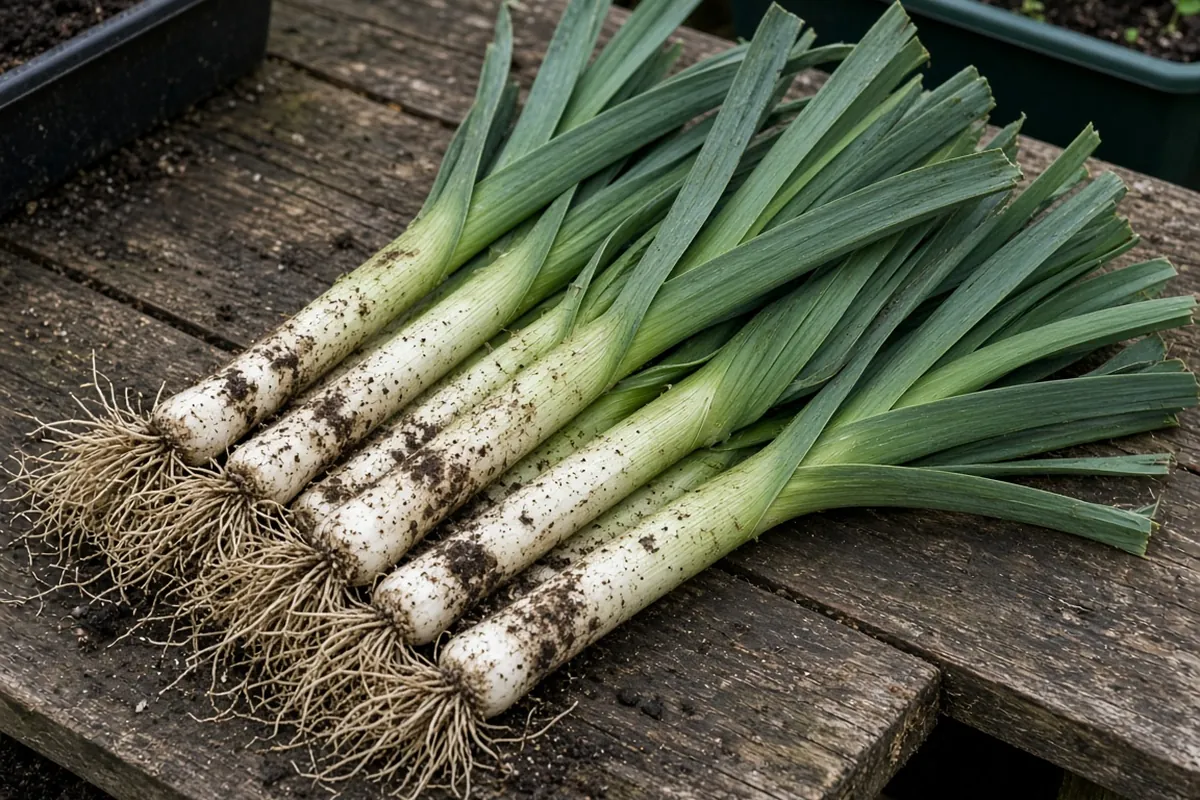
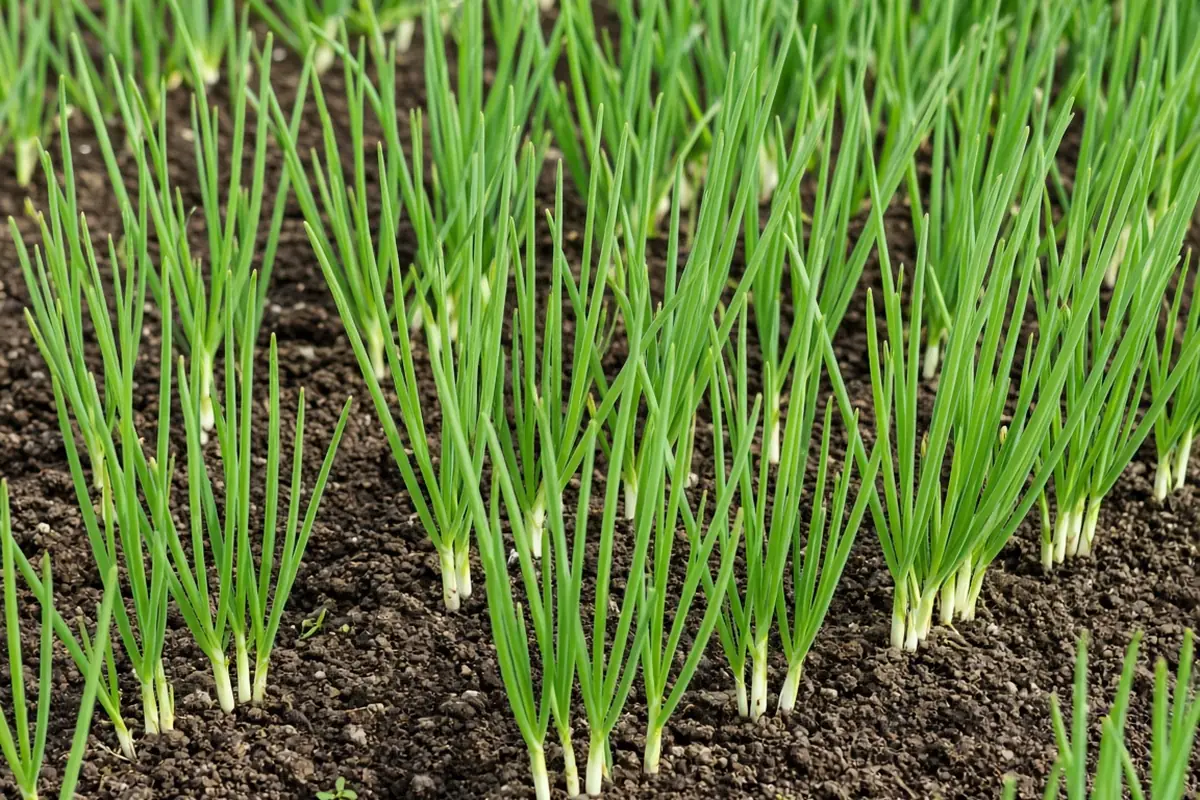
University of Minnesota Extension notes leeks look like overgrown green onions, with a long, cylindrical white shaft plus thick, flat, folded leaves. Plants grow two to three feet tall. University of Wisconsin Extension adds that leeks form a broad, succulent stem rather than a large bulb.
| Trait | Leek | Green onion |
|---|---|---|
| Species | Allium porrum | Allium cepa |
| Leaves | Thick, flat plus folded | Smaller, since leeks look like overgrown green onions |
| Base | Long white shaft, little bulb | Smaller plant overall |
| Flavor | Mild, sweeter onion flavor | Onion flavor |
Sources: University of Minnesota Extension, University of Wisconsin Extension plus UF/IFAS.
Why are leeks hilled or blanched?
UF/IFAS notes that mounding soil around leeks once they are pencil wide, then continuing as they grow, is called blanching plus creates the white stems. University of Minnesota Extension notes gardeners can also set transplants in a six inch deep furrow plus fill it gradually as plants develop.
How long does each take to grow?
University of Minnesota Extension notes most leeks need a long season of about 120 to 150 days plus at least eight hours of bright sun daily, though some newer cultivars need as few as 90 days. UF/IFAS notes leeks sown in fall in Florida are ready in three to four months.
How to: step by step
- Sow leek seeds indoors in late winter.
- Harden off transplants over five to seven days.
- Transplant once daytime temperatures reach at least 45 degrees Fahrenheit.
- Space plants 2 to 6 inches apart in rows 12 to 36 inches apart.
- Mound soil around stems several times through the season.
- Water often since leek roots are shallow.
Troubleshooting
Short white shafts: no hilling. University of Minnesota Extension advises hilling or furrow planting.
Small plants: water stress. Utah State University Extension notes drought stress during growth lowers yield.
Leaves turn silver or gray: thrips. Utah State University Extension lists thrips as a leek pest.
For related reading see cannabis leaf anatomy, frost damage on cannabis plus mulch for cannabis. Kind Seed Co also stocks cannabis seeds.
Sources
- Growing leeks in home gardens, University of Minnesota Extension
- Leeks, UF/IFAS Gardening Solutions
- Leeks, University of Wisconsin Extension Horticulture
- How to grow leeks in your garden, Utah State University Extension
FAQ
Can leeks be harvested small?
Yes. Utah State University Extension notes leeks may be harvested plus used once they are larger than one inch in diameter. University of Wisconsin Extension lists Albinstar Baby Leek, a Dutch variety developed for baby leek production that can be harvested at half an inch across but can also grow larger.
Do leeks survive frost?
Yes. University of Minnesota Extension notes leeks are tolerant of cold, so harvest can wait until after the first frosts. Utah State University Extension adds that in milder areas leeks can stay in the garden if soil is hilled around them plus mulch is added, while in very cold areas they should be harvested.
How do I blanch leeks?
Utah State University Extension suggests setting 10 to 12 inch transplants in a 6 inch deep dibble hole, watering them in plus filling the hole gradually. For seeded plants, hill soil around them 2 to 3 times during the season, adding 2 to 3 inches each time, which yields a longer blanched stem.
Are leeks a perennial?
University of Wisconsin Extension notes the leek is a true perennial, even though it is usually grown as an annual. Varieties differ in hardiness plus their ability to overwinter in cold climates. Bandit is very winter hardy plus may survive cold winters when covered with a thick layer of organic mulch.
Which parts of a leek are harvested?
University of Minnesota Extension notes both the green leaves plus the long white shaft are harvested, with hilling used to lengthen the white shaft. Utah State University Extension notes leeks can be harvested once they are larger than one inch in diameter. UF/IFAS suggests cutting harvested leeks in half plus washing them well.