
Snapdragons Rust: Brown Pustules Under Leaves
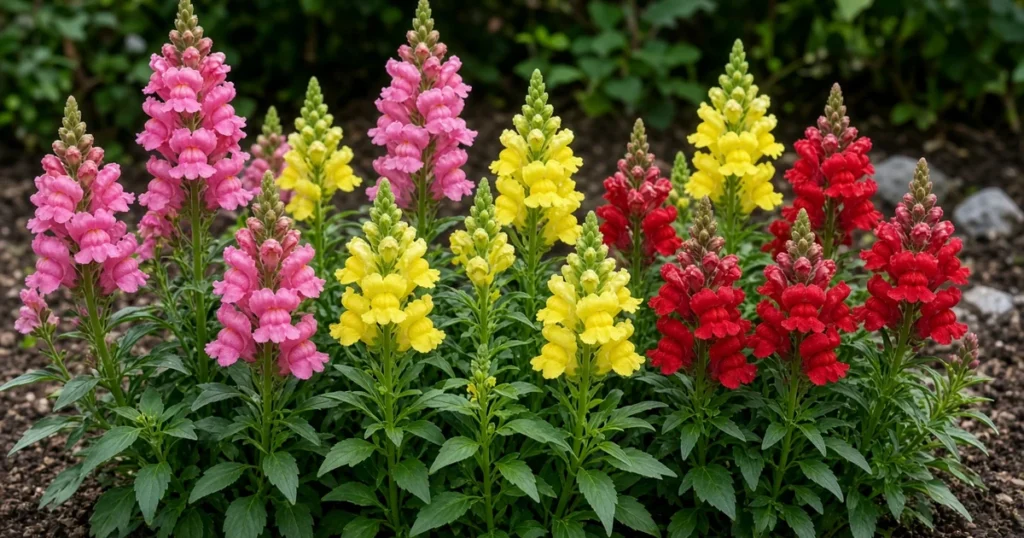
Snapdragons rust is a fungal disease that leaves brown, powdery pustules on the undersides of leaves. Washington State University Hortsense notes the fungus spreads by water, on clothes plus in diseased cuttings, while Texas A&M AgriLife Extension advises avoiding wet foliage plus giving plants plenty of air.
The short answer
Snapdragons rust shows as brown, powdery pustules under leaves, often in rings, plus on stems plus flowers. WSU notes water, clothes plus diseased cuttings spread it. Space plants for air, water the soil rather than the leaves plus choose rust resistant cultivars, which WSU notes are available.

What does snapdragon rust look like?
WSU notes concentric rings of chocolate brown pustules under the leaf, with pustules on stems plus flowers too. Texas A&M reports brown, powdery pustules on the lower leaf surface.
| Factor | What to do | Source |
|---|---|---|
| Spacing | Room for air flow | WSU plus Texas A&M |
| Watering | Soil, not foliage | Texas A&M plus NC State |
| Timing | Morning or midday | WSU |
| Cuttings | Disease free only | WSU |
| Cultivars | Rust resistant | WSU |
Source: WSU Hortsense, Texas A&M AgriLife plus NC State Extension.
How does snapdragon rust spread?
WSU notes the fungus spreads by water, on clothes plus in diseased cuttings. Texas A&M notes insects can carry spores from plant to plant. Spores need moisture from wet leaves, so dry foliage slows spread.
Can snapdragons recover from rust?
Leaves already covered in pustules will not clear, but new growth can remain clean. Remove badly marked leaves, space plants for air plus water only the soil. NC State notes snapdragons are highly susceptible to rust.
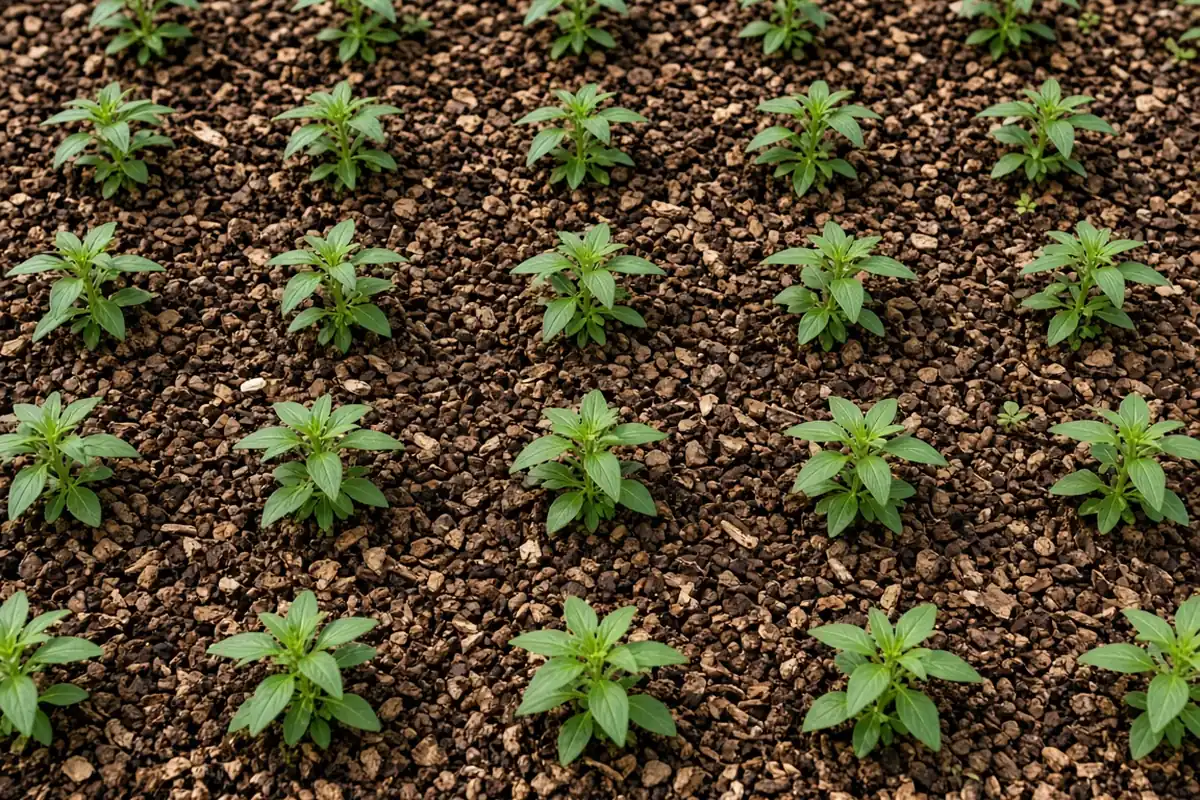
How to: step by step
- Look under leaves for brown pustules.
- Remove badly marked leaves.
- Space plants for ample air flow.
- Water the soil, not the foliage.
- Water in the morning or midday.
- Choose rust resistant cultivars next season.
Troubleshooting
Pustules spreading quickly: wet foliage. Water at the soil.
Rust on young plants: diseased cuttings. Use clean stock.
Rust each season: susceptible cultivar. Choose a resistant type.
For more on outdoor growing see the effects of environmental stresses on weed plants, 7 ways to shield marijuana plants from pests plus the guide to overwatering and cannabis growth. Kind Seed Co also stocks cannabis seeds.
Sources
- Snapdragon: rust, Washington State University Hortsense
- Snapdragon leaves with blotches or spots (diagnostic), University of Minnesota Extension
- Snapdragon, Texas plant disease handbook, Texas A&M AgriLife Extension
- Antirrhinum majus (snapdragon), NC State Extension Gardener Plant Toolbox
FAQ
Are there rust resistant snapdragons?
Yes. Washington State University Hortsense notes rust resistant snapdragon cultivars are available. NC State notes snapdragons in general have significant susceptibility to rust, so a resistant cultivar is the simplest way to cut losses. Check the seed packet or plant tag for rust resistance before you buy for beds with a history of rust.
Should rusty snapdragon leaves be removed?
Yes. Pick off leaves covered in brown pustules plus bag them rather than leaving them in the bed. WSU notes the fungus spreads by water plus on clothes, so handle plants when foliage is dry. Removing marked leaves early slows spread to the rest of the planting.
Does watering affect snapdragon rust?
Yes. Texas A&M advises watering the soil surface rather than wetting the foliage. WSU advises watering only in the morning or middle of the day so leaves dry quickly. NC State advises avoiding overhead watering. Dry leaves give rust spores less chance to grow.
Is rust the only spotty problem on snapdragons?
No. University of Minnesota Extension lists powdery mildew, which leaves fluffy white spots on leaves plus stems. NC State notes snapdragons are also susceptible to mold, fungal leaf spots plus downy mildew. Brown, powdery pustules under the leaf point to rust rather than these other problems.
How far apart should snapdragons be planted?
Washington State University Hortsense advises spacing snapdragons to encourage good air circulation, plus Texas A&M advises giving plants plenty of air. Crowded plants hold moisture on leaves longer, which helps rust spread. Follow the spacing on the seed packet or plant tag plus thin crowded beds so air moves freely.



