
Sweet Alyssum Dying: Summer Heat plus Old Plants
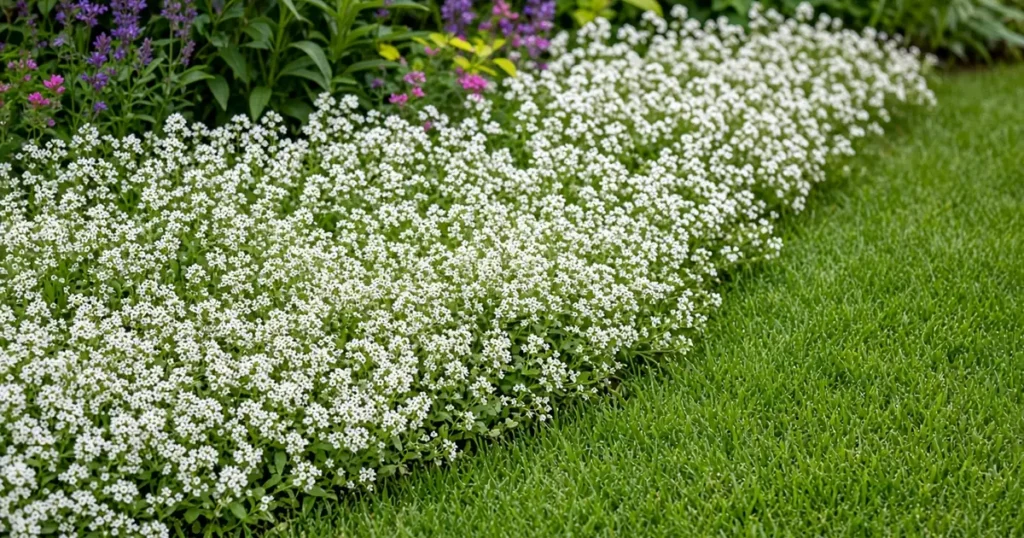
Sweet alyssum dying in midsummer is common because it is a cool season annual. Clemson Cooperative Extension notes it grows in a sunny spot with some afternoon shade, while NC State Extension notes blooms decline in hot summers plus advises cutting plants back when they fade.
The short answer
Sweet alyssum dying in summer usually reacts to heat. Clemson notes it is a cool season annual. NC State notes blooms decline in hot summers plus advises cutting plants back to restart flowering. Ask Extension notes sheared plants often come back as weather cools. Check the base for southern blight too.

Why is my sweet alyssum dying?
Ask Extension notes sweet alyssum likes it cool plus heat can cause dieback. Plants collapsing at the base may have southern blight, a fungal disease.
| Factor | Target | Source |
|---|---|---|
| Season | Cool weather annual | Clemson |
| Light | Sun with afternoon shade | Clemson plus NC State |
| Soil | Well drained | Clemson plus NC State |
| Summer decline | Cut plants back | NC State plus Ask Extension |
| Fall bloom | Sow seed in August | NC State |
Source: Clemson, Ask Extension, NC State plus UNH Extension.
Should I cut back sweet alyssum?
Yes. NC State advises cutting plants back in summer or when blooms decline to restart flowering. Ask Extension advises shearing heat damaged plants short. Clemson advises deadheading to prompt more blooms.
Does heat kill sweet alyssum?
Heat stops blooms plus can cause dieback, but plants often survive. Ask Extension notes sheared plants should come back as weather cools at the end of summer into fall. Afternoon shade carries plants through hot spells.

How to: step by step
- Shear plants back when blooms fade.
- Water in dry spells.
- Give plants afternoon shade.
- Check the base for white growth.
- Sow fresh seed in August.
- Replant in early spring.
Troubleshooting
Brown patches midsummer: heat dieback. Shear plants short.
Plants slump at the base: possible southern blight. Remove plants.
Few blooms past spring: spent flowers. Deadhead or cut back.
For more on outdoor growing see the effects of environmental stresses on weed plants, cannabis heat stress plus underwatering cannabis. Kind Seed Co also stocks cannabis seeds.
Sources
- Sweet alyssum, Clemson Cooperative Extension Home and Garden Information Center
- Dead areas in sweet alyssum, Ask Extension (Extension Foundation)
- Lobularia maritima (sweet alyssum), NC State Extension Gardener Plant Toolbox
- Which annual flowers are self-sowing?, UNH Extension
FAQ
Does sweet alyssum come back?
Often. NC State notes sweet alyssum reseeds, plus in spring you can remove old plants to expose self sown seedlings. Ask Extension notes heat damaged plants that are sheared back often recover as weather cools into fall. UNH Extension notes self sowing annuals can return with little gardener help.
Does sweet alyssum grow in shade?
Partly. NC State notes alyssum does well in full sun to partial shade plus appreciates some afternoon shade. Clemson advises a sunny spot with afternoon shade plus well drained soil. Deep shade cuts flowering, while a bit of shelter from hot afternoon sun helps plants last into summer.
When should sweet alyssum be replanted?
NC State advises sowing seed in the ground several weeks before the last frost for spring flowers, or sowing in August for fall bloom. Clemson notes it is a cool season annual. Replacing tired summer plants with an August sowing gives fresh color as weather cools.
Should sweet alyssum be deadheaded?
Yes. Clemson Cooperative Extension advises deadheading the flowers to encourage more blooms. NC State advises cutting plants back during summer or whenever blooms decline. Shearing the whole mound is quicker than removing single flowers plus brings a fresh flush once the weather cools in late summer.
What is southern blight on sweet alyssum?
Ask Extension notes sweet alyssum with dead areas may be infected with southern blight, a fungal disease that is more of a problem than heat dieback. It advises looking for sclerotia, small round bodies near the base. Remove affected plants plus follow your local Extension advice for the bed.



