Thorns vs Spines vs Prickles: The Botanical Differences
The short answer
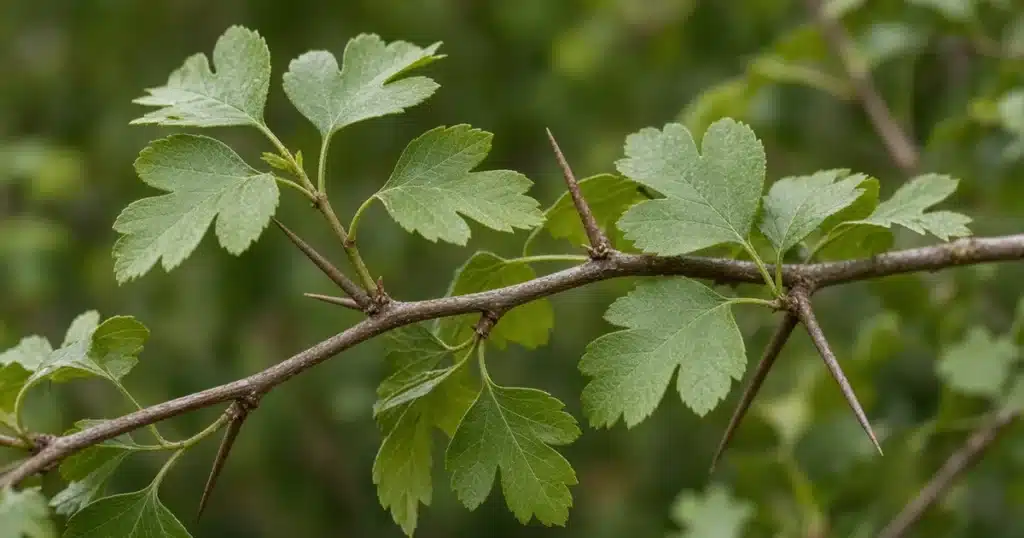
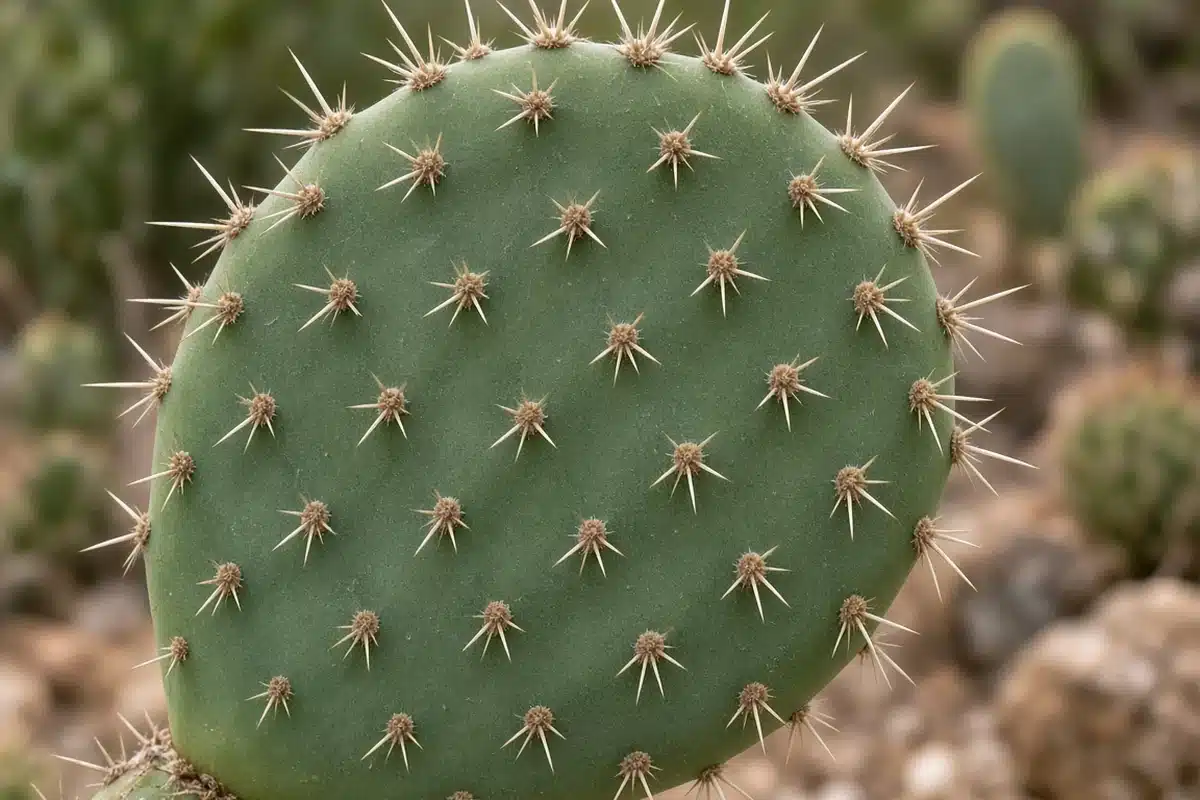
Thorns vs spines vs prickles comes down to where each sharp point grows. Thorns are modified stems or branches, as on hawthorn. Spines are modified leaves or leaf parts, as on cacti. Prickles grow from the outer skin of a stem, which is why rose prickles snap off easily. Gardeners often call all of them thorns.
Botanists hold them separate because the difference tells you something about the plant.
What is a thorn?
A true thorn is a stem that grew sharp instead of growing leaves. The NC State Extension Gardener Handbook chapter on botany describes thorns as modified stems. Because a thorn is a stem, it grows from a bud in a leaf axil, where a side shoot would normally form.
Thorns have wood inside, sit firmly and sometimes branch. Hawthorn, honey locust, pyracantha and citrus carry true thorns.
| Type | Plant part | Examples | How it breaks |
|---|---|---|---|
| Thorn | Modified stem | Hawthorn, honey locust, citrus | Firmly attached, woody core |
| Spine | Modified leaf or stipule | Cactus, black locust | Firm, from leaf position |
| Prickle | Outgrowth of stem skin | Rose, raspberry, blackberry | Snaps off cleanly |
Sources: NC State Extension, Colorado State University Extension.
What is a spine?
A spine is a modified leaf or part of a leaf. The Colorado State University Extension botany notes (CMG GardenNotes 120) explain that leaves can change form for jobs such as climbing or defense.
On a cactus, the spines are the leaves. They grow from small cushions called areoles. The green stem does the work of making food. In black locust, a pair of spines grows from stipules, the small leafy parts at the base of the leaf stalk.
What is a prickle?
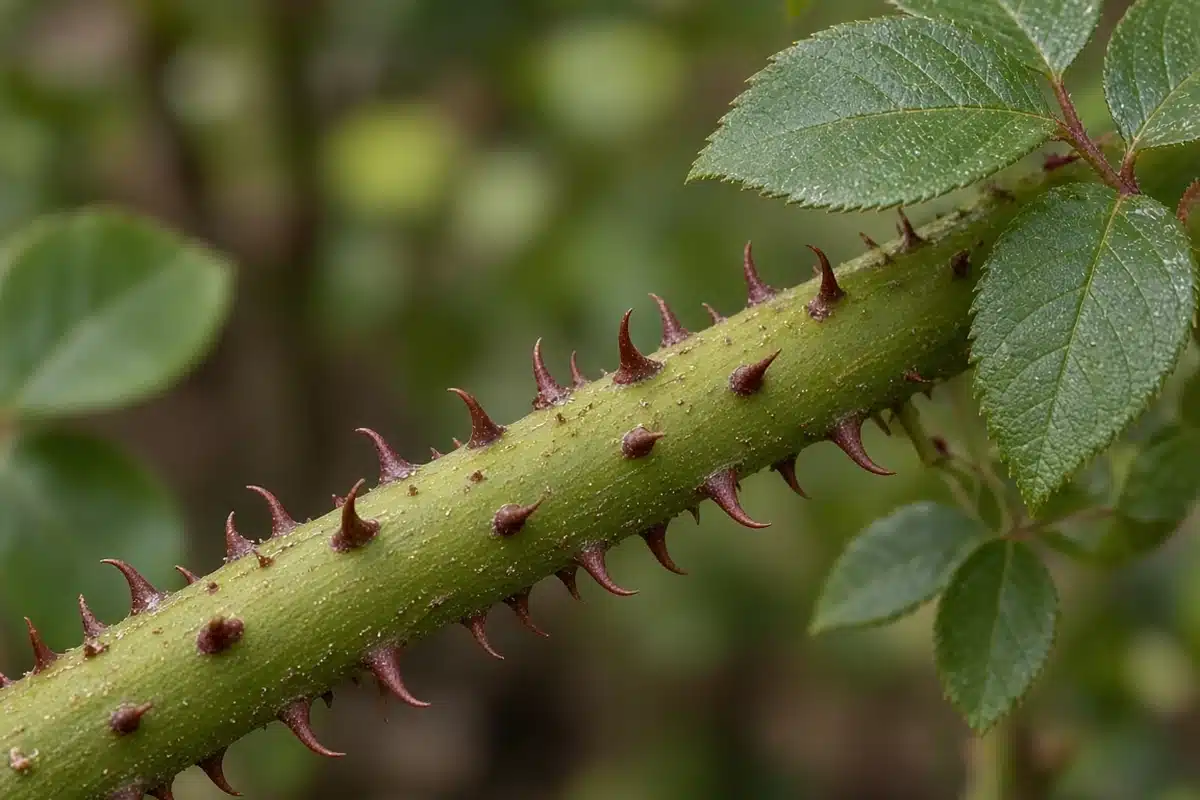
A prickle grows from the epidermis and outer bark of a stem. It’s not a stem or a leaf. The NC State Extension Gardener Handbook glossary defines these and other surface terms.
Prickles can grow anywhere along the stem, not just at nodes. They have no woody core, so they snap off cleanly with a sideways push. That is the easy field check for roses. Roses are covered in prickles, not thorns, despite the popular name.
Raspberries and blackberries carry prickles too, as do some leaves, such as the midribs on certain thistles.
Why does the difference matter?
It helps with plant ID. Where a sharp point sits tells you what it is. At a leaf axil, it’s likely a thorn. At a leaf position, a spine. Scattered along the bark, a prickle.
It also matters for pruning. Thorns are part of the branch structure, so cutting one is like cutting a twig. Prickles are surface features. Our post on pruning marijuana plants covers clean cuts that apply to woody plants too.
Clean tools between plants. Our post on sanitizing pruning shears for cannabis explains simple tool cleaning. For more on leaf parts, see our post on cannabis leaf anatomy.
How to: step by step
- Find a sharp point on the plant.
- Check if it sits at a leaf axil, a leaf position or between nodes.
- Push it gently sideways.
- Clean snapping means a prickle.
- Firm and woody at an axil means a thorn.
- Firm and at a leaf position means a spine.
Troubleshooting
Rose points snap off. They’re prickles. Normal.
Point has a bud beside it. Likely a spine at a leaf position.
Branched sharp points. Branched thorns, as on honey locust.
Sharp points on leaf edges. Leaf margin spines, as on holly.
Unsure of the type. Check its position against the nodes.
Knowing thorns vs spines vs prickles makes the garden easier to read. Kind Seed Co shares more plant tips in outdoor growing.
Sources
- Extension Gardener Handbook chapter 3: botany, NC State Extension, Extension Gardener Handbook chapter 3
- Extension Gardener Handbook glossary, NC State Extension, Extension Gardener Handbook glossary
- Botany (CMG GardenNotes 120), Colorado State University Extension, Botany (CMG GardenNotes 120)
FAQ
Do roses have thorns?
No. Roses have prickles.
What is a thorn?
A modified stem, as on hawthorn.
What is a spine?
A modified leaf or leaf part, as on cacti.
Why do prickles snap off?
They grow from the stem skin and have no woody core.
How can I tell them apart?
Check where the point sits relative to nodes.