
Tomato Hard White Core: Heat, Potassium plus Variety
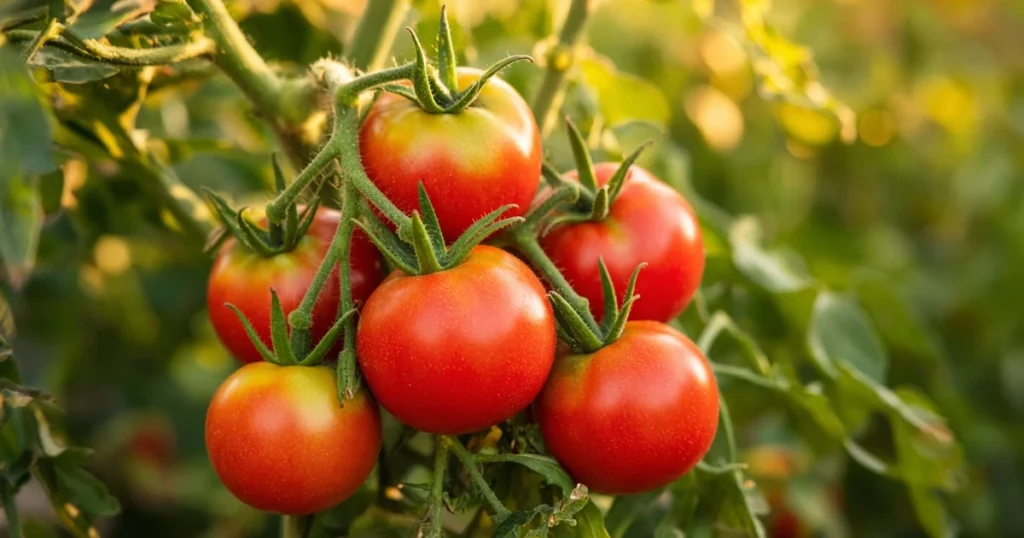
A tomato hard white core is a firm, pale center that shows when you slice the fruit. University of Maryland Extension notes very hot, dry weather combined with low soil potassium can cause white, pithy tissue next to the outer fruit wall or near the core.
The short answer
A hard white core comes from stress. Maryland Extension links it to very hot, dry weather plus low soil potassium, plus notes it varies by variety. Kansas State Research and Extension notes stressful weather, often made worse by excess fertilizer, turns the central core tough plus greenish white. Newer meaty varieties show it less.
What causes a hard white core in tomatoes?
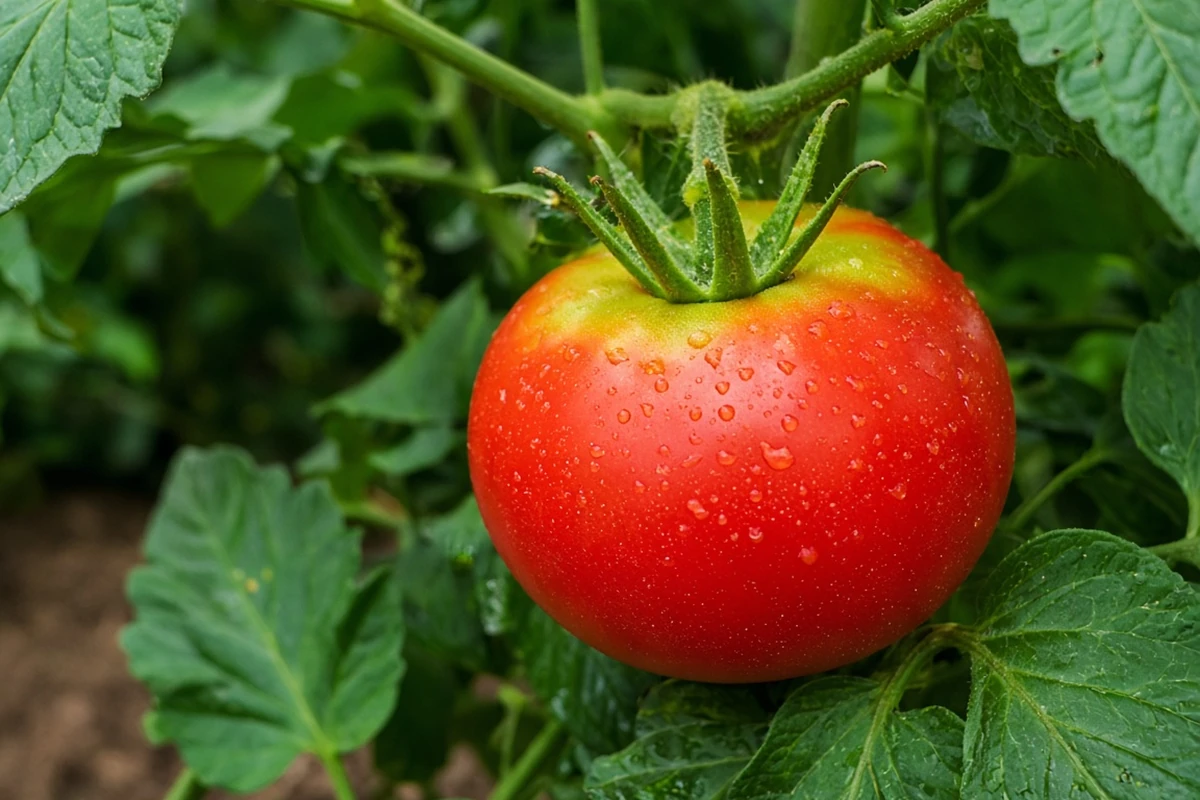
Maryland Extension names very hot, dry weather combined with low potassium levels in the soil. K State notes the problem appears under stressful weather, usually aggravated by excessive fertilization.
How does the core form?
K State notes many older varieties produce fruit with five cavities filled with seeds plus locular jelly. The walls between cavities meet in the center to form the core. Under stress the core turns tough plus greenish white.
| Factor | Effect | Source |
|---|---|---|
| Very hot, dry weather | White pithy tissue | Maryland |
| Low soil potassium | White pithy tissue | Maryland |
| Excess fertilizer | Makes stress worse | K State |
| Older varieties such as Jet Star | Hard core when stressed | K State |
| Newer meaty varieties | Hard core less often | K State |
Source: University of Maryland Extension plus Kansas State Research and Extension.
How do you prevent white core next year?
K State notes many newer varieties carry traits that make fruit meatier plus firmer, plus these form a hard core far less often. It lists few hard core cases in Mountain Fresh, Merced, Sun Leaper, Sunmaster, Celebrity plus Carnival.
University of Minnesota Extension advises applying phosphorus plus potassium according to soil analysis results. It notes excess nitrogen gives bushy, leafy plants slow to bear fruit.
How to: step by step
- Send a soil sample for analysis.
- Add potassium only as the report advises.
- Go easy on extra nitrogen.
- Choose a newer meaty variety.
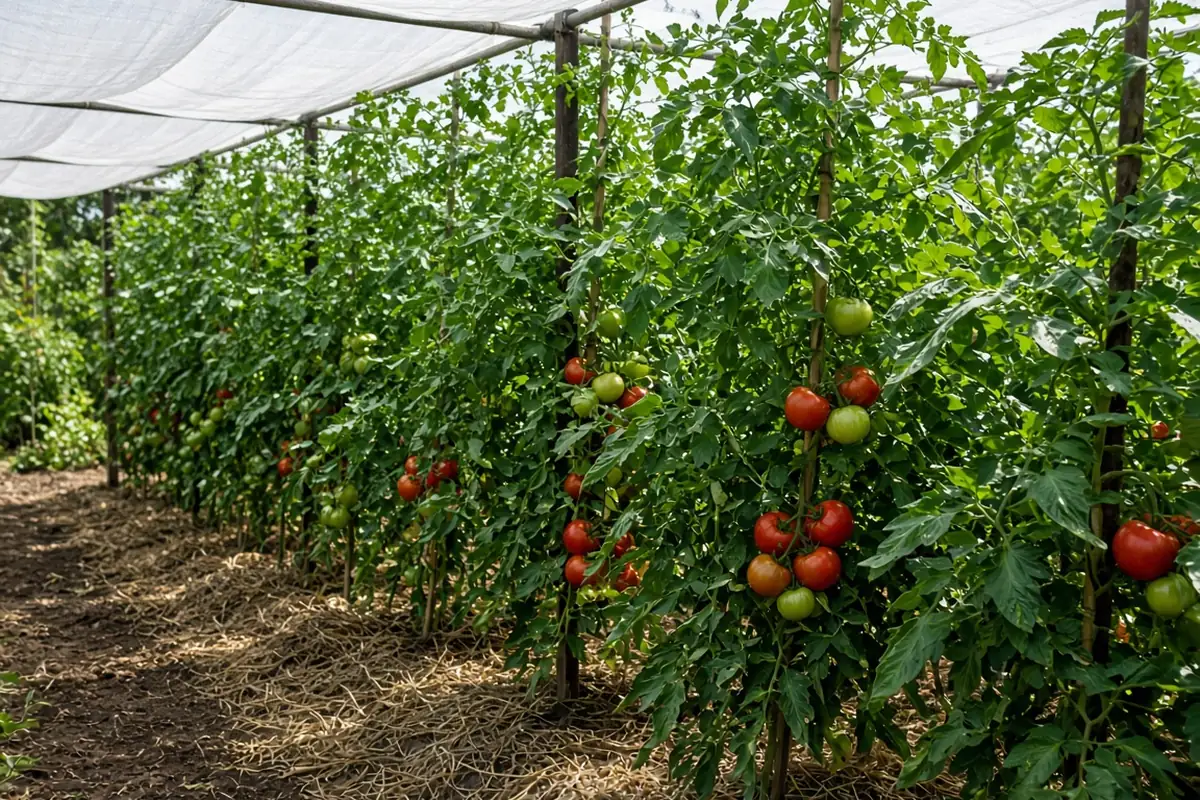
- Mulch to hold soil moisture, as Minnesota advises.
- Slice a few fruits to inspect the core.
Troubleshooting
White tissue near the wall: Maryland links it to heat, drought plus low potassium.
Brown or black inner walls: likely gray wall, a separate disorder Maryland describes.
Hard core in Jet Star: K State notes this older variety tends to form a hard core under stress.
For more on stress see the effects of environmental stresses on weed plants plus cannabis heat stress. Read underwatering cannabis plus mulch for cannabis. Kind Seed Co also stocks cannabis seeds.
Sources
- Internal discoloration in vegetables, University of Maryland Extension
- Problem: tomato hard core in fruit, K-State Research and Extension
- Tomato problems, University of Maryland Extension
- Growing tomatoes in home gardens, University of Minnesota Extension
FAQ
Are some tomato varieties more prone to white core?
Yes. Maryland Extension notes the problem varies by variety. K State notes the older Jet Star tends to form a hard core under stress, while newer meaty varieties do so less often.
Can fertilizer fix white core this season?
K State Research and Extension notes excessive fertilization usually aggravates a hard core. Minnesota advises adding potassium only as a soil analysis recommends.
Is white core the same as gray wall?
No. Maryland Extension describes gray wall as a separate disorder in which inner fruit wall tissue turns brown to black.
Does weather cause white core?
Maryland Extension notes very hot, dry weather combined with low soil potassium can cause white, pithy tissue in tomato fruit.
How do I know if my soil is low in potassium?
University of Minnesota Extension advises a soil analysis plus applying potassium according to its recommendations.



