Turnip vs Rutabaga: Roots plus Season plus Storage
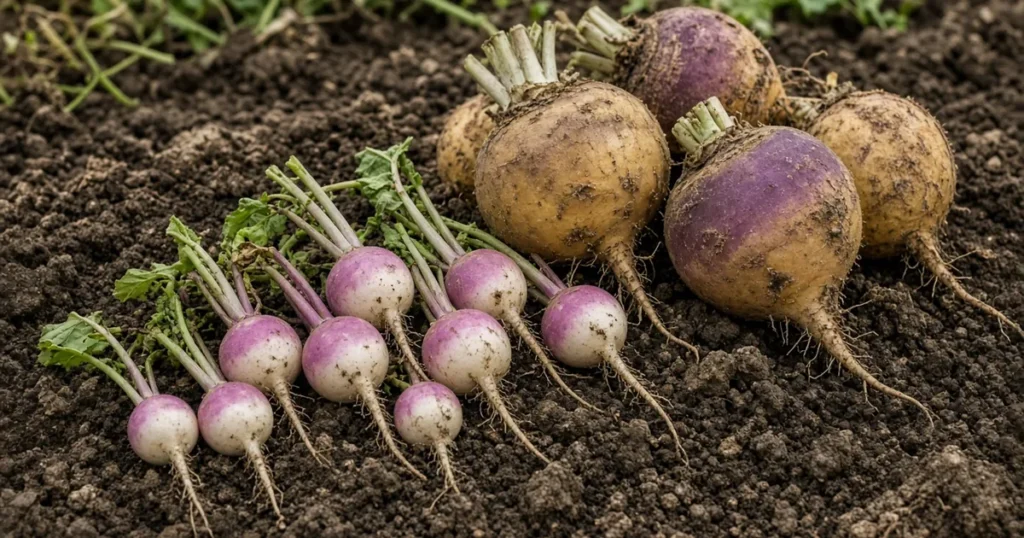
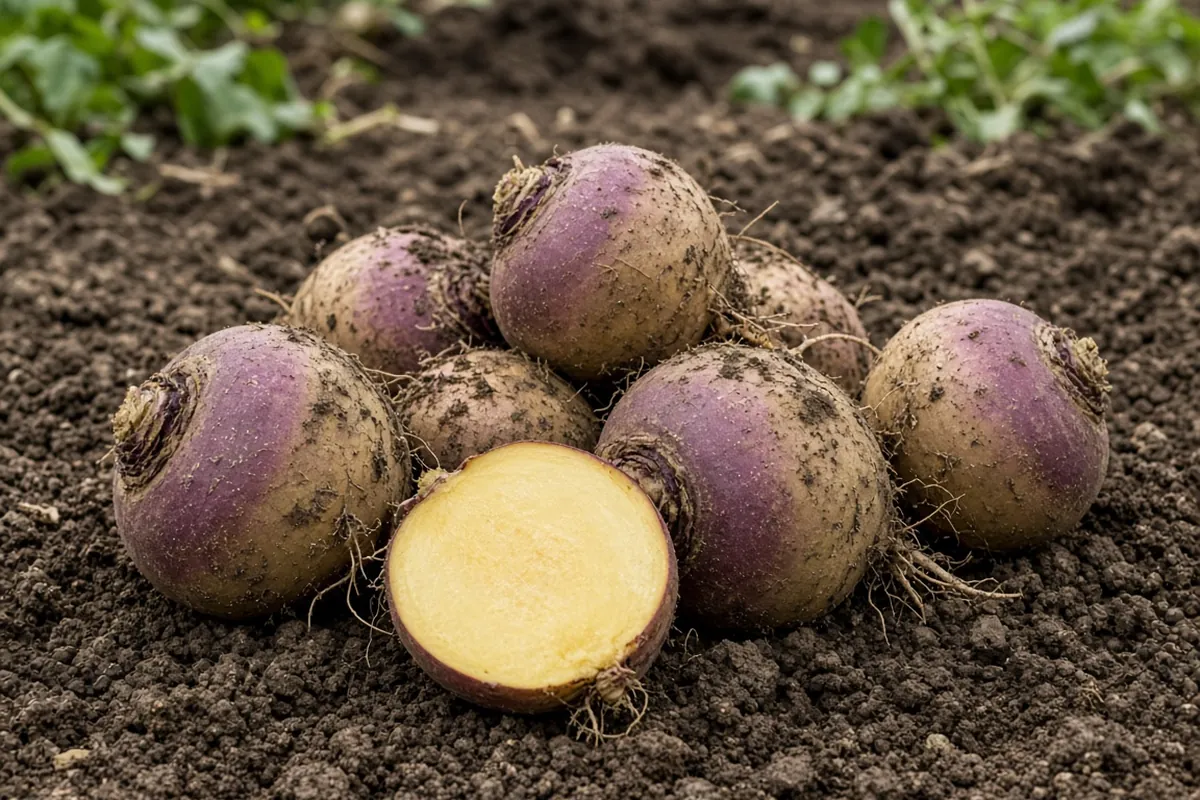
Turnip vs rutabaga is a common question for cool season gardeners. Both are cold hardy root crops that are easy to grow. Turnips mature fast plus usually have white flesh. Rutabagas are larger, denser roots with yellow flesh that need a longer season.
The short answer
Turnips are Brassica rapa. They mature in about two months plus are pulled at 2 to 3 inches wide. Rutabagas are Brassica napus. They need about 4 more weeks to mature, so plant them in early summer for a fall crop. Rutabagas store for months, while turnips last a week or two.
How do turnip and rutabaga roots differ?
University of Minnesota Extension notes turnips are a form of Brassica rapa, the same species as bok choy. Their flesh is usually white. Rutabaga is a different species, Brassica napus. Its roots are typically firmer plus denser, with yellow flesh.
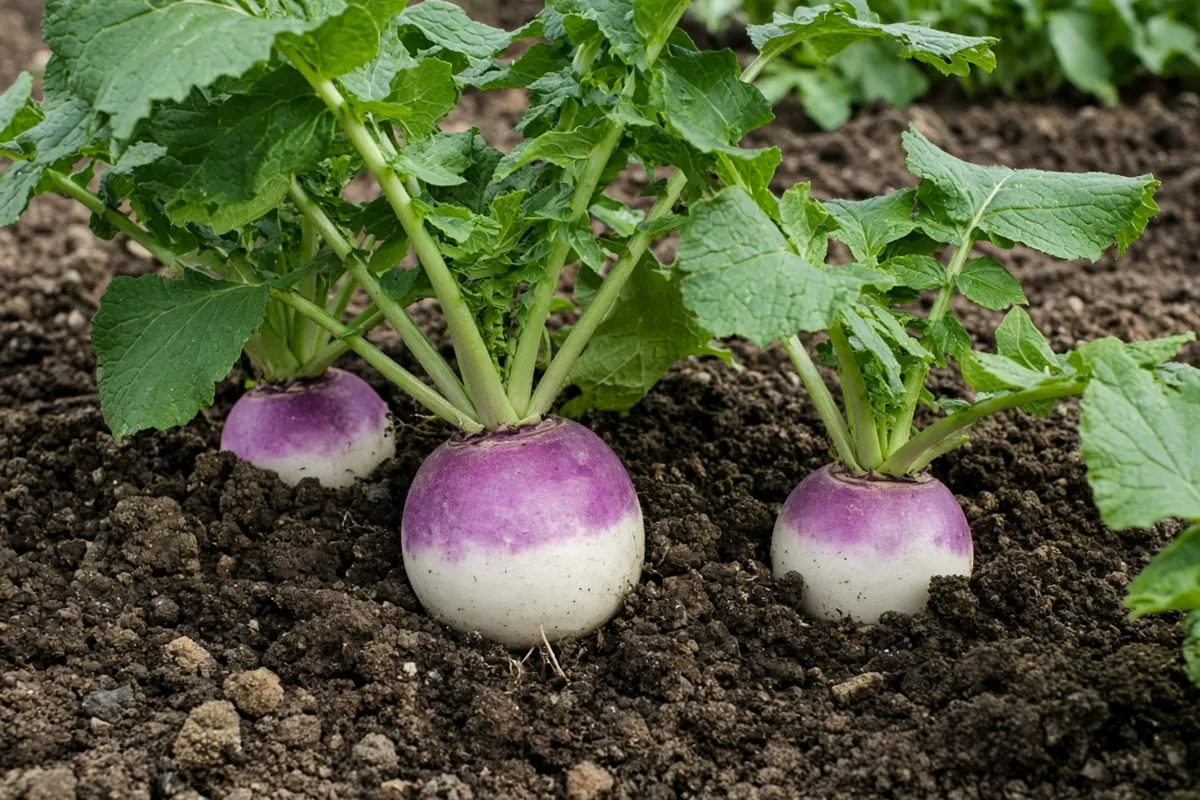
University of Illinois Extension notes rutabaga roots are rounder, larger plus firmer than turnips. Its leaves are smoother. NC State Extension notes turnip roots come in colors from yellow to white, with or without red or purple at the top. They can be round or flattish.
| Trait | Turnip | Rutabaga |
|---|---|---|
| Species | Brassica rapa | Brassica napus |
| Flesh | Usually white | Usually yellow |
| Planting time | Spring plus fall | Late May to early June for fall |
| Thinning space | 3 to 6 inches | 8 inches |
| Soil pH | 6 to 7.5 | 6 to 7 |
| Harvest | 2 to 3 inches wide | September, October or later |
| Storage | A week or two in the refrigerator | Up to five months in root cellar conditions |
Source: University of Minnesota Extension.
Which takes longer to grow?
Rutabaga is the slower grower. University of Illinois Extension notes turnips mature in two months. Rutabagas need 4 weeks longer, so they suit a fall crop. University of Minnesota Extension advises planting turnips from April 15 for spring plus again August 1 for fall. Plant rutabagas from late May to early June so they mature in cool weather.
Seeds of both sprout quickly. Seedlings emerge after about ten days, per University of Minnesota Extension. Thin turnips to 3 to 6 inches apart. Thin rutabagas to 8 inches.
Which stores better?
Rutabagas store far longer. University of Minnesota Extension notes they last up to five months at 32°F to 40°F plus 95% relative humidity. Storage life is likely shorter after a wet growing season.
Turnips lose moisture fast. Cut the greens from the roots. Store both in the refrigerator for a week or two. University of Illinois Extension notes the fall turnip crop is usually larger plus of higher quality.
How to: step by step
- Choose a bed where no cabbage family crop grew for four years.
- Sow seeds 1 to 2 inches apart in rows 18 to 30 inches apart.
- Sow turnips in spring plus fall, rutabagas in early summer.
- Thin turnips to 3 to 6 inches plus rutabagas to 8 inches.
- Give plants 1 inch of water per week.
- Pull turnips at 2 to 3 inches wide plus dig rutabagas in fall.
Troubleshooting
Bitter or woody roots: drought stress. Give 1 inch of water per week plus soak the soil thoroughly.
Branched roots: fresh manure. Use well rotted manure or compost instead.
Small round holes in leaves: flea beetles. Watch young plants closely, since damage is worst early.
For related reading see cannabis taproot vs fibrous roots, cannabis leaf anatomy plus frost damage on cannabis. Kind Seed Co also stocks cannabis seeds.
Sources
- Growing turnips and rutabagas, University of Minnesota Extension
- Turnip, home vegetable gardening, University of Illinois Extension
- Brassica napus Napobrassica Group, NC State Extension Gardener Plant Toolbox
- Brassica rapa Rapifera Group, NC State Extension Gardener Plant Toolbox
FAQ
Can turnips and rutabagas be planted in fall?
Turnips can. University of Minnesota Extension advises a second turnip sowing around August 1 for a fall crop. Rutabagas need a longer season, so plant them from late May to early June for a fall harvest. University of Illinois Extension notes the fall turnip crop is usually larger plus of higher quality than spring.
How big should turnips be at harvest?
Pull them at 2 to 3 inches wide. University of Minnesota Extension notes their shoulders sit above the soil, so size is easy to judge. Larger roots are more likely to turn bitter, woody or fibrous. NC State Extension notes delayed harvest or too little water can make the plant woody.
Does frost change rutabagas?
Many gardeners wait for frost. University of Minnesota Extension advises leaving rutabagas in the ground until September, October or later. Many growers wait until after at least one hard frost to dig them. The roots can be quite large, so use a spading fork rather than pulling them up by the tops.
How do I store rutabagas?
Use root cellar conditions. University of Minnesota Extension advises 32°F to 40°F plus 95% relative humidity. Under those conditions rutabagas last up to five months. Storage life is likely shorter after a wet season. Rutabagas also firm up plus store longer after a relatively dry growing season than a wet one.
How much water do these crops need?
About 1 inch per week. University of Minnesota Extension notes the storage roots can be large, but the root systems are not extensive. Soak the soil thoroughly each time. Sandy soil needs water more often than once a week. Drought stress can make both crops bitter or woody, so steady moisture matters.