
UV Sterilizer Hydroponics Guide: How Inline UV Works, Pros and Limits
The short answer
A UV sterilizer hydroponics setup passes recirculating nutrient solution past an ultraviolet lamp to cut down microbes in the water. It helps clean shared solution. UV also kills helpful microbes, and lamps need regular upkeep. Research on filter plus UV setups also found micronutrient losses, so filter first and watch solution levels.
UV units are common in larger recirculating systems. Home growers can use them too, as long as they know the limits.
How does an inline UV sterilizer work?
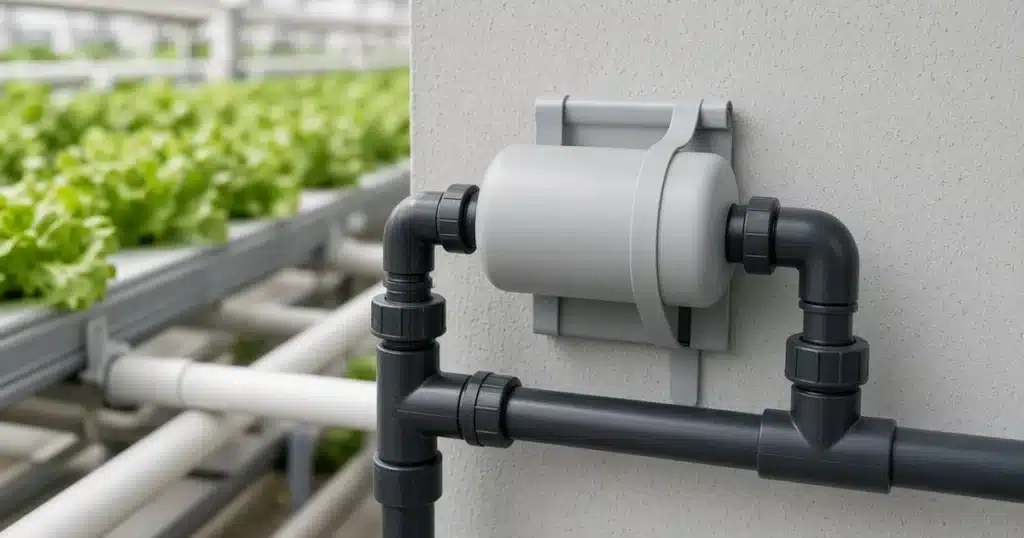
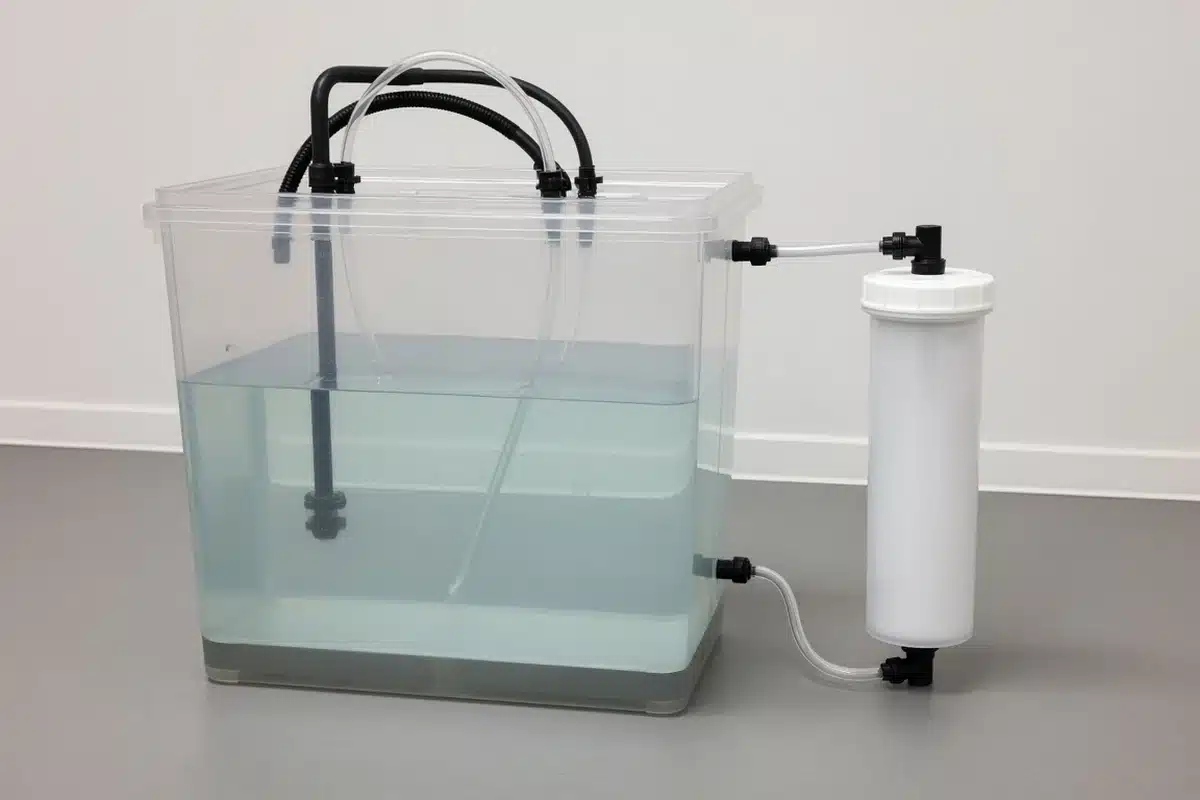
A UV sterilizer is a clear quartz sleeve with a lamp inside, set in a housing. Water flows around the sleeve. Ultraviolet light passes through the water and damages the genetic material of microbes. Many of them can no longer grow or spread.
The University of Hawaii CTAHR guide to greenhouse and nursery sanitation lists UV among the ways to clean irrigation water. It notes that UV works only on water that passes close to the lamp. Cloudy water can block the light.
That is why flow rate matters, since water that moves too fast gets too little exposure. Each unit is rated for a certain flow, so match it to your pump.
UV only works in systems that recirculate. In a static bucket, water never passes the lamp.
What are the benefits and limits?
The main benefit is fewer free floating microbes in the reservoir. Spores and bacteria that move between plants in shared water have a harder time spreading.
UV adds no chemicals to the water, and it leaves no residue on roots or leaves.
There are limits, though. UV doesn’t tell good microbes from bad ones. Any helpful bacteria you add to the solution will be killed as they pass the lamp.
Research at Kansas State adds another concern. The Kansas State University study on nutrient solution reuse in hydroponics looked at how cleaning reused solution affects nutrients. The study found that sand filtration combined with ultraviolet light, with or without biochar, cut iron, zinc, copper and manganese sharply over repeated cycles. The losses weren’t traced to UV alone. Plants may then show signs of shortage even though the original mix was complete.
| Point | Benefit | Limit |
|---|---|---|
| Microbes in water | Fewer free floating microbes | Also kills helpful microbes |
| Chemicals | Adds nothing to the solution | Does nothing for biofilm on surfaces |
| Water clarity | Works well in clear water | Cloudy water blocks the light |
| Nutrients | No direct change to pH | Linked to micronutrient losses |
Sources: University of Hawaii CTAHR, Kansas State University.
How do you maintain a UV unit?
A UV unit needs steady care to stay working. Lamps lose output over time even while they still glow. Follow the maker’s replacement schedule.
The quartz sleeve collects film and mineral scale. A coated sleeve blocks light. Clean it gently on a regular basis.
Install a filter before the unit. Filtering removes particles that would shade microbes from the light. It also leaves the sleeve cleaner.
Remember that UV only reaches the water. Tanks, lines and channels still need cleaning between crops. Our post on caring for your hydroponic system covers cleaning routines.
Some growers combine UV with other tools. Our post on hydrogen peroxide for cannabis explains another common option for reservoirs.
Do home systems need UV?
Small home systems often run fine without UV. Regular water changes, a clean tank and cool water handle most problems.
UV makes more sense when many plants share one large reservoir. In that case, a problem in one plant can reach all the others through the water.
If you grow with beneficial microbes, UV works against that plan. Choose one approach or the other.
UV in the grow room is a different topic. Our post on UV light for cannabis covers UV lamps used on plants, not in water.
How do you size a UV unit?
Start with your pump. Note its flow rate in gallons or liters per hour. Choose a UV unit rated at or above that flow.
If the unit is too small, water rushes past the lamp. Microbes get too little light to be affected.
Some growers run UV on a side loop. A small pump pulls part of the solution through the unit and returns it to the tank. Over the day, the whole reservoir passes the lamp many times.
A side loop lets you service the unit without stopping the main system.
Lamp wattage matters too. Higher wattage gives more light in the same contact time. Check the maker’s chart for flow and wattage pairings.
How to: step by step
- Decide whether your system recirculates solution.
- Size the unit to your pump’s flow rate.
- Install a filter before the UV unit.
- Plumb the unit so water passes the lamp evenly.
- Replace lamps and clean sleeves on the maker’s schedule.
- Monitor micronutrients, pH and EC after adding UV.
Mount the unit where you can reach it for cleaning. Route the power cord and plug well away from drips and spills.
Troubleshooting
Cloudy water persists. There’s no prefilter. Add filtration before the unit.
Iron shortage signs. Micronutrients may be running low. Check levels and adjust feeding.
Unit stops helping. The lamp is old. Replace it on schedule.
Film on the sleeve. Minerals and organic matter build up. Clean the quartz sleeve.
Root problems continue. Biofilm lives on surfaces UV can’t reach. Clean tanks and lines.
UV is one tool among many for clean water. Kind Seed Co carries cannabis seeds for growers building a new hydroponic setup.
Sources
- Greenhouse and nursery sanitation: irrigation water and equipment (PD-119), University of Hawaii CTAHR, Greenhouse and nursery sanitation
- Evaluating the efficacy of nutrient solution reuse in hydroponics, Kansas State University (K-REx), Evaluating the efficacy of nutrient solution reuse in hydroponics
FAQ
Does UV kill algae?
UV can reduce free floating algae cells in water that passes the lamp. It does not remove algae already growing on tank walls or in channels.
Can UV replace cleaning?
No. UV reaches only the water flowing past the lamp. Tanks, lines and surfaces still need regular cleaning.
Does UV harm beneficial microbes?
Yes. UV does not tell helpful microbes from harmful ones. Growers using microbial products often skip UV.
Do small home systems need UV?
Usually not. Clean tanks, cool water and regular changes handle most needs in small setups.
How long do UV lamps last?
Lamps lose output before they burn out. Replace them on the schedule the maker gives.



