
What Is a Cuneate Leaf Base? A Wedge Shaped Base
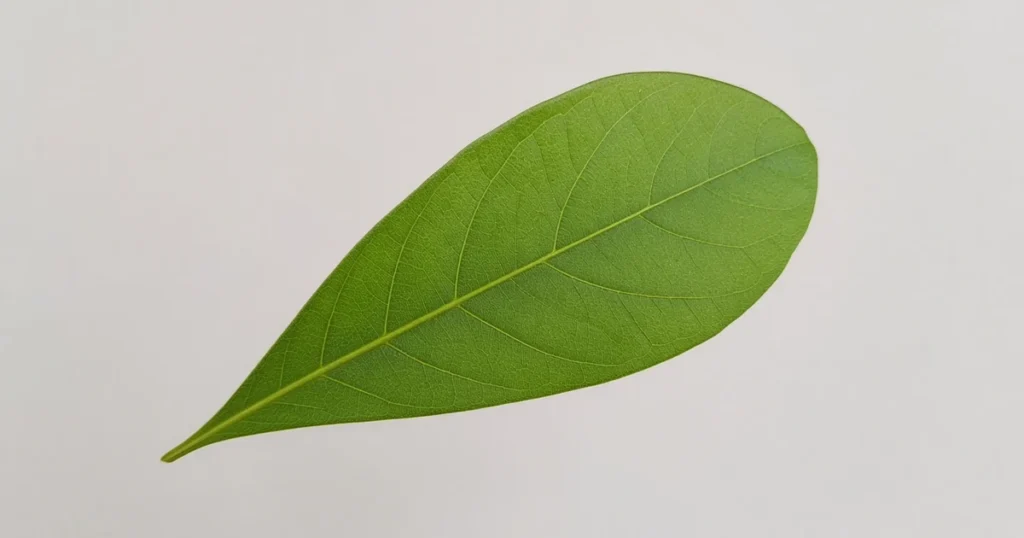
A cuneate leaf base is wedge shaped, tapering at an acute angle toward the stalk. NC State Extension defines cuneate as wedge shaped, tapering at an acute angle toward the base. Its plant page on cockspur hawthorn describes wedge shaped, obovate leaves.
The short answer
A cuneate leaf base is a wedge shaped base that tapers at an acute angle toward the stalk. NC State Extension defines the term plus contrasts it with attenuate, a prolonged base with thin tissue along the petiole. Cockspur hawthorn is an example. Check where the blade meets the stalk.
What does cuneate mean?
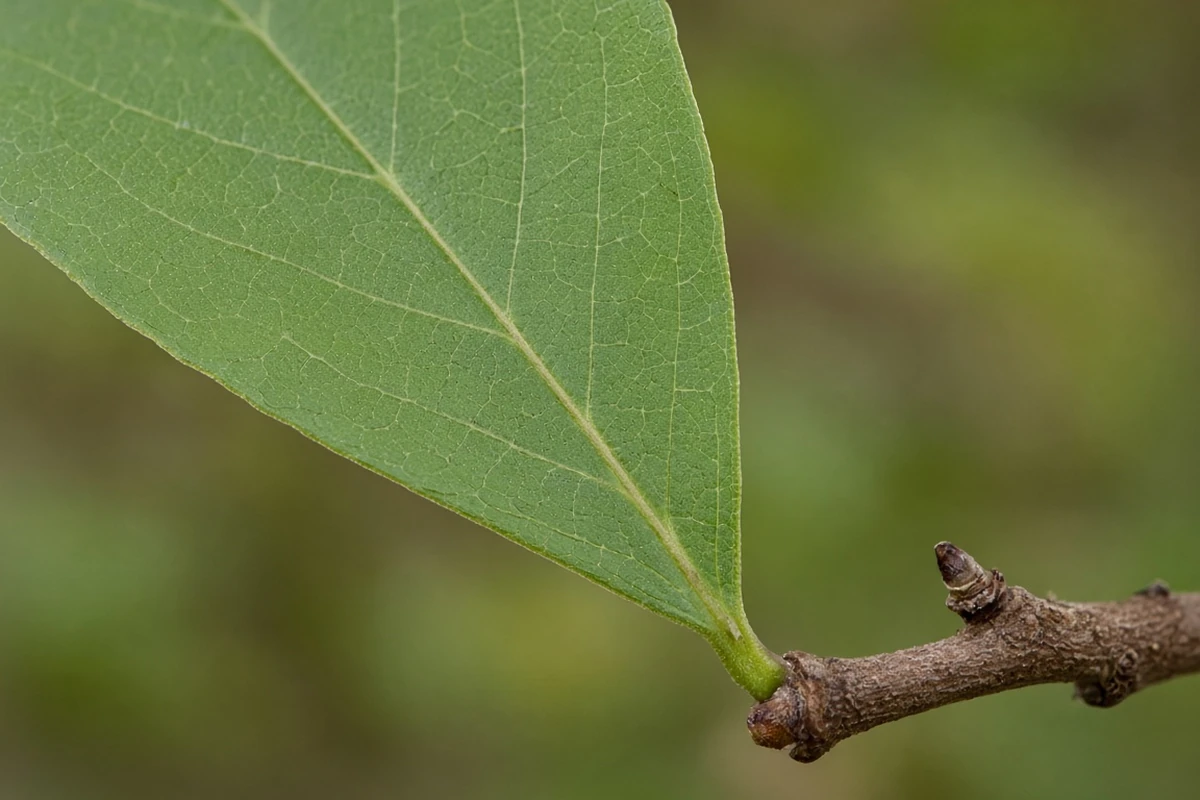
The NC State term cuneate covers where the blade meets the petiole.
| Term | Meaning | Source |
|---|---|---|
| Cuneate | Wedge shaped, tapering at an acute angle toward the base | NC State |
| Attenuate | A prolonged base with thin tissue along part of the petiole | NC State |
| Obovate | Inversely ovate | Utah State |
| Petiole | A slender stalk that supports a simple leaf | Utah State |
Source: NC State Extension plus Utah State University Extension.
How is cuneate different from attenuate?
NC State Extension defines attenuate as a prolonged base with thin tissue extending along part of the petiole. A cuneate base narrows to the stalk at an acute angle but stops there. On an attenuate base, blade tissue runs down the stalk.
Which plants have cuneate leaf bases?
NC State Extension describes cockspur hawthorn leaves as wedge shaped, obovate to oblong ovate. They are dark green with lobed or serrated margins plus shift orange to scarlet to purple in fall.

How to: step by step
- Pick a mature leaf.
- Set it flat on a pale surface.
- Find where the blade meets the petiole.
- See if the sides taper in a straight wedge.
- Look for blade tissue running down the stalk.
- Compare several leaves before naming the base.
Troubleshooting
Base appears rounded: not cuneate. Compare other base terms.
Tissue runs down the stalk: attenuate. Check the petiole.
Bases differ on one plant: leaf age. Use mature leaves.
For more on leaves see cannabis leaf anatomy, cannabis nodes and internodes plus companion plants when growing marijuana. Kind Seed Co also stocks cannabis seeds.
Sources
- Crataegus crus-galli (cockspur hawthorn), NC State Extension Gardener Plant Toolbox
- Extension Gardener Handbook, chapter 3: botany, NC State Extension
- Tree and botanical glossary, Utah State University Extension Forestry
- Extension Gardener Handbook glossary, NC State Extension
FAQ
Is cuneate the same as wedge shaped?
Yes. NC State Extension defines cuneate as wedge shaped, tapering at an acute angle toward the base. The term comes up often in plant descriptions. NC State describes cockspur hawthorn leaves as wedge shaped, so you will see both the botanical term plus the plain wording used for the same trait.
Do obovate leaves often have cuneate bases?
They can. Utah State University Extension defines obovate as inversely ovate, which puts the widest part above the middle. A narrow lower half often tapers to a wedge. NC State Extension describes cockspur hawthorn leaves as wedge shaped plus obovate to oblong ovate, so the two traits appear together there.
Why do botanists describe leaf bases?
NC State Extension notes the shapes of leaf blades plus margins are useful in identifying species plus cultivars. It lists base shapes such as cuneate, attenuate plus truncate alongside apex shapes. Pair the base term with the margin plus leaf arrangement to narrow down a plant.
Can leaf bases help identify trees?
Yes. NC State Extension notes leaf shapes help identify plants plus Utah State University Extension publishes a tree glossary with terms for leaf outline plus margins. The base is one clue among several. Combine it with leaf arrangement, margin plus bark to name a tree with more confidence.
Where is the leaf base?
NC State Extension notes the leaf is held away from the stem by a stalk called the petiole plus the base of the petiole attaches to the stem at the node. The leaf base is where the blade meets the petiole. Look there to judge whether the blade tapers into a wedge.



