
Dividing Hostas in Spring as Shoots Emerge
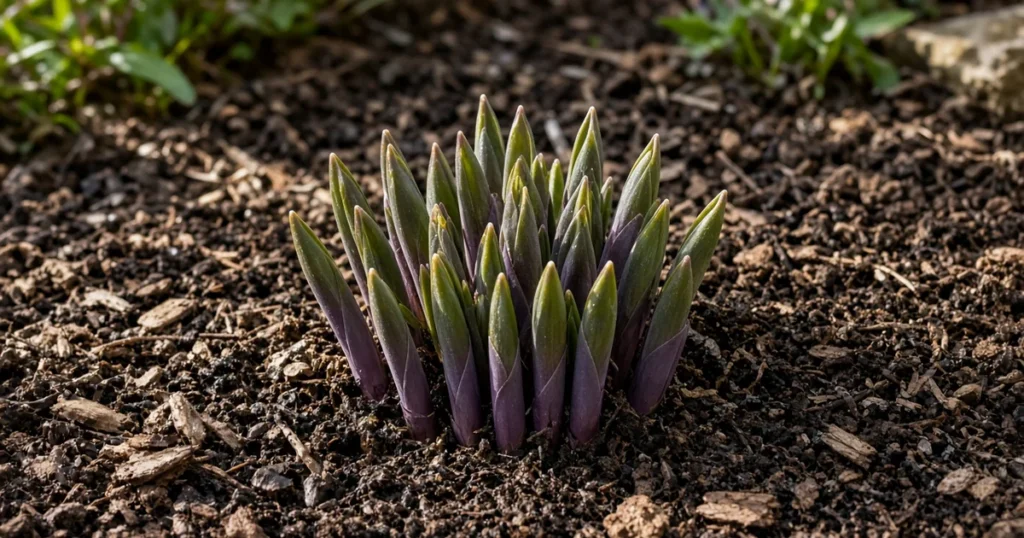
Dividing hostas is easiest in spring, once the eyes or growing tips start to emerge from the ground. University of Minnesota Extension notes mature hostas do not need dividing, but splitting them gives a neater look plus more plants. Use a sharp shovel or knife plus leave plenty of root on each piece.
The short answer
Dividing hostas goes smoothly in spring, once the eyes start to emerge. University of Minnesota Extension advises splitting clumps with a sharp shovel or knife plus leaving as much root as possible on each crown. Replant with the crown even with the soil, then water deeply plus less often.
When should hostas be divided?
University of Minnesota Extension advises starting in spring once the eyes or growing tips emerge. Hostas can be divided later, though they may show more damage for the rest of that season.
| Factor | Target | Source |
|---|---|---|
| Timing | Spring as eyes emerge | UMN |
| Tool | Sharp shovel or knife | UMN |
| Crown depth | Even with the soil | UMN |
| Mulch | 2 to 4 inches, off the crown | UMN |
| Divisions per clump | Six or more | Oregon State |
Source: University of Minnesota plus Oregon State University Extension.
How do you split a hosta clump?
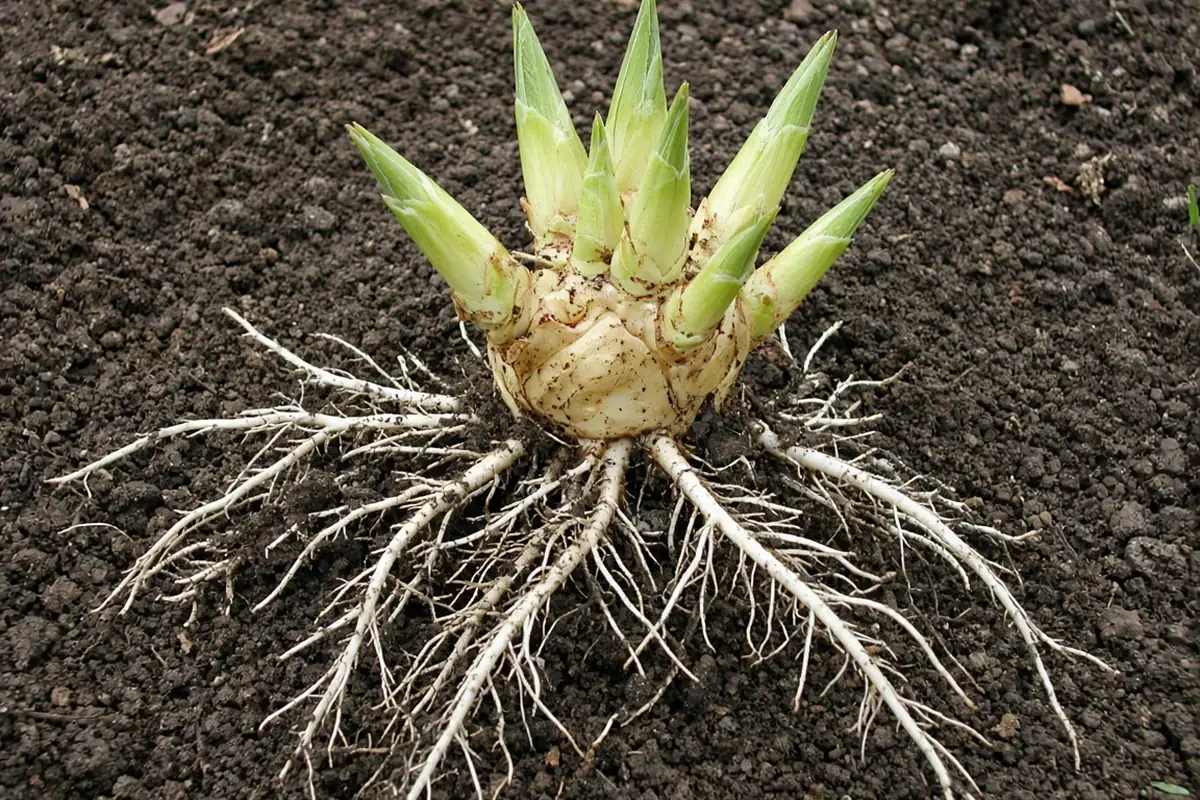
Oregon State Extension describes digging up the plant, prying it apart with hands, spades or knives plus replanting in new holes. Minnesota advises a sharp shovel or knife plus as much root as possible on each crown. Water the plant a day or two early if the soil is dry.
How deep should divisions be replanted?
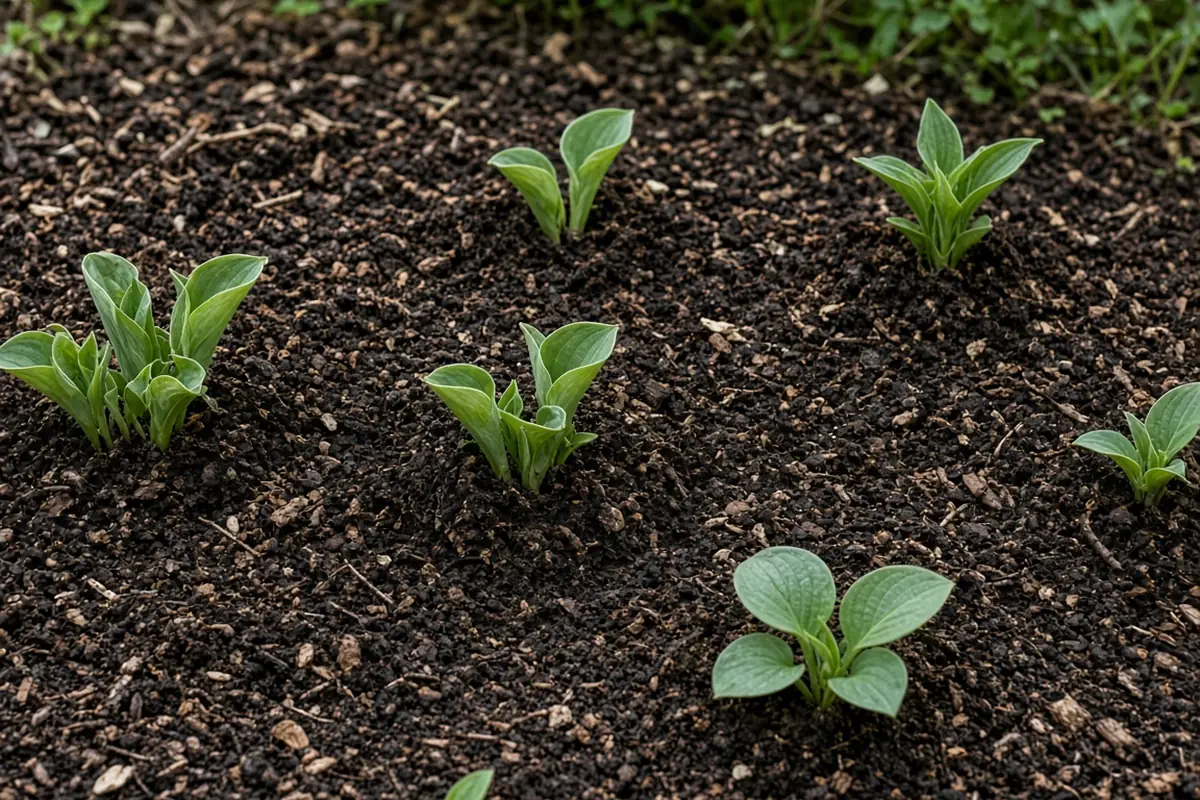
University of Minnesota Extension advises setting the crown, the root shoot junction, even with the surrounding soil with the growing tips visible at the surface. Potted plants go in at the level they sat in the pot.
How to: step by step
- Wait until the eyes start to show in spring.
- Water the clump a day or two ahead if dry.
- Dig around the clump plus raise it.
- Slice it into sections with a sharp shovel or knife.
- Replant each crown even with the soil.
- Water deeply plus less often while divisions settle.
Troubleshooting
Leaves torn or scorched: divided late in the season. Divide in early spring next time.
Small, weak divisions: scant root. Leave more root on each crown.
Crown rotting: mulch against it. Draw mulch back from the crown.
For more on outdoor growing see garden microclimates for cannabis, planning an outdoor cannabis garden layout plus mulch for cannabis. Kind Seed Co also stocks cannabis seeds.
Sources
- Hostas, University of Minnesota Extension
- Dividing perennials, University of Minnesota Extension
- Divide and conquer plants, Oregon State University Extension
- Delay spring garden cleanup, encourage native insects, Illinois Extension
FAQ
How often should hostas be divided?
Only when you want to. University of Minnesota Extension notes it is not necessary to divide mature hostas, though dividing gives a neater look plus more plants. Oregon State Extension adds there is no need to divide a plant on a schedule if it is growing well.
Can hostas be divided in fall?
They can, but spring is easier. University of Minnesota Extension notes hostas can be divided later in the season, although they may show more damage for the rest of the season. Its perennial guide advises timing fall division four to six weeks before the ground freezes so roots can establish.
Do hostas need fertilizer after dividing?
Only if the soil calls for it. University of Minnesota Extension advises checking soil every 3 to 5 years with a lab analysis to see whether amendments or fertilizer are needed. If the analysis shows a need, it advises applying fertilizer twice during the season for optimum growth.
How many plants does one hosta clump make?
Oregon State Extension notes hosta, grasses plus daylily can produce six or more divisions, while hollyhock plus coral bells may yield only three. The count depends on clump size. University of Minnesota Extension advises leaving as much root as possible on each crown, so fewer, larger pieces often settle in faster.
Should I clear old stems before dividing hostas?
Illinois Extension advises waiting to clear or cut back plant material until temperatures stay above 50 degrees overnight, since insects overwinter in garden debris. Hostas send up eyes about then, so clear the old leaves around the clump just before you lift it plus leave nearby stems for native bees.



