
What Is a Dormant Eye? A Resting Bud on Tubers plus Crowns
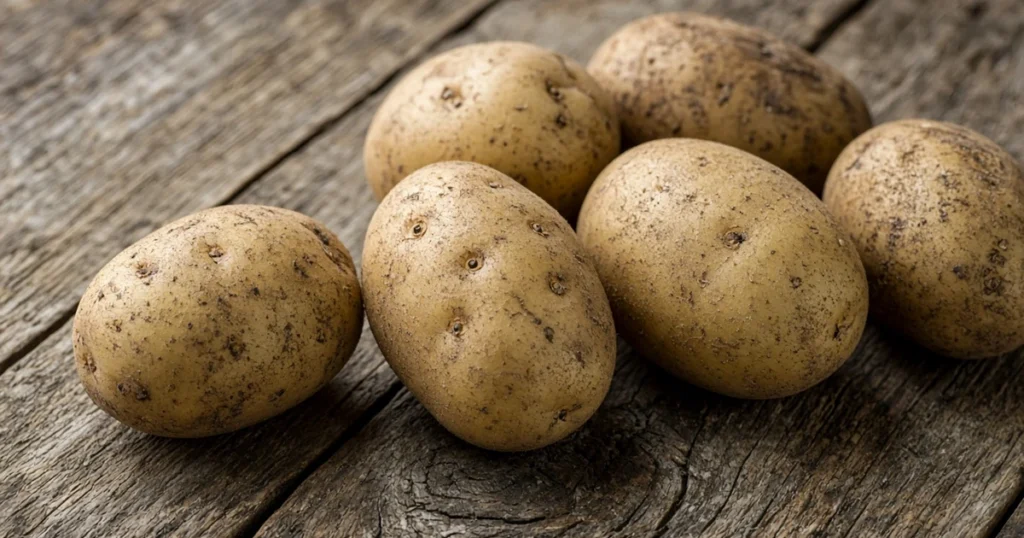
A dormant eye is a resting bud on a tuber or crown that can sprout into a new shoot when warmth plus moisture return. NC State Extension notes the eyes of a potato are nodes on the stem, plus each eye holds a cluster of buds.
The short answer
A dormant eye is a bud at rest on a storage organ. NC State Extension notes potato eyes are nodes, each with a cluster of buds, so a small piece with an eye can grow a new plant. University of Minnesota Extension notes every seed piece must have at least one eye.
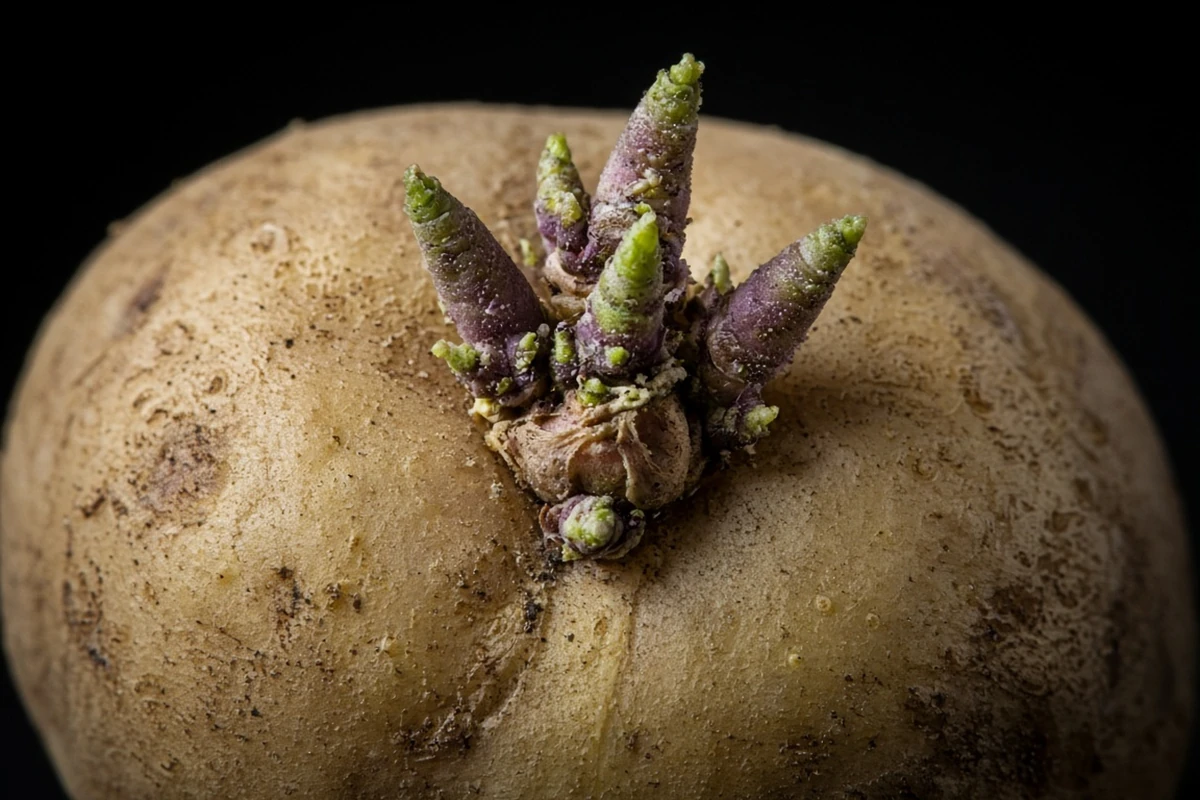
Where are eyes on a potato?
NC State notes tubers are fleshy modified stems with nodes that produce buds. Every potato eye is a node. University of Minnesota Extension describes an eye as an indentation that will produce the new shoot.
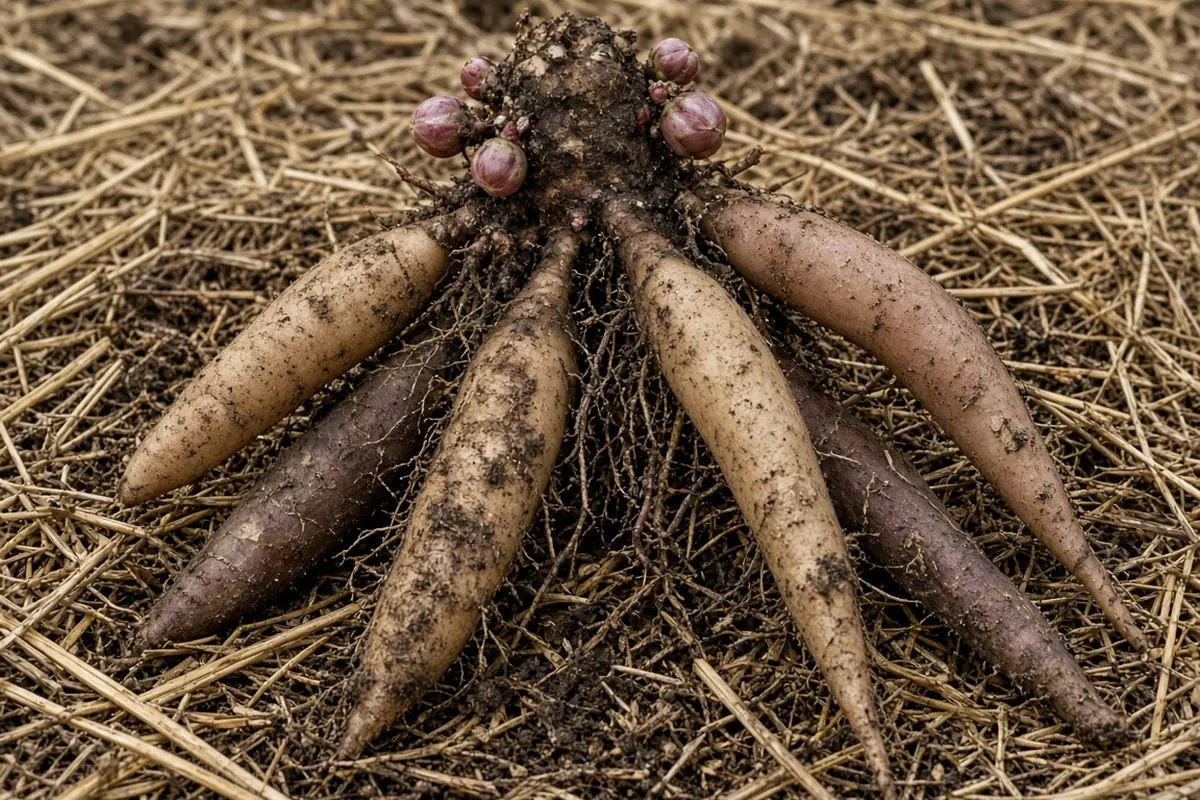
Why does a dahlia tuber need an eye?
NC State notes dahlia tubers are roots changed into food storage organs, not stems. Unlike a potato, the root itself has no eyes, so new growth starts from buds on the crown at the old stem.
| Organ | Type | Where buds sit | Source |
|---|---|---|---|
| Potato | Tuber, a modified stem | Eyes over the surface | NC State |
| Dahlia | Tuberous root | Crown at the old stem | NC State |
| Sweet potato | Tuberous root | Not given | NC State |
| Seed piece | Cut tuber | At least one eye | Minnesota |
What wakes a dormant eye?
NC State notes dormancy occurs during low temperatures, plus as temperatures warm a plant breaks dormancy. Minnesota advises planting seed pieces as soon as the soil warms.
How to: step by step
- Check a potato for small dimples.
- Note the tiny buds inside each eye.
- Check a dahlia clump near the old stem.
- Find tiny bumps on the crown.
- Leave one eye or more on each division.
- Store tubers cool plus dry until planting.
Troubleshooting
Tuber with no eye: it cannot sprout. Discard it.
Eyes sprouting in storage: storage is too warm. Move tubers somewhere cooler.
Shriveled tuber: storage runs too dry. Adjust it.
For more on buds plus growth see cannabis seed anatomy, life cycle of a marijuana plant plus cannabis nodes and internodes. Kind Seed Co also stocks cannabis seeds.
Sources
- Growing potatoes in home gardens, University of Minnesota Extension
- Solanum tuberosum (potato), NC State Extension Gardener Plant Toolbox
- Dahlia, NC State Extension Gardener Plant Toolbox
- Extension Gardener Handbook, chapter 3: botany, NC State Extension
FAQ
Can a tuber have many eyes?
Yes. NC State Extension notes a potato is a tuber with nodes that produce buds, plus each eye holds a cluster of buds. University of Minnesota Extension notes every seed piece must have at least one eye, plus two or three eyes per piece is better when you cut larger tubers.
Why not plant grocery store potatoes?
University of Minnesota Extension notes stores may use chemicals to hold tubers dormant, so they will be slow to grow. They may also carry diseases that can stay in the soil. It advises buying disease free seed tubers from a certified grower or seed distributor instead.
How big should a seed piece be?
University of Minnesota Extension notes small whole potatoes 1 to 1¼ inches across are ideal. Cut larger tubers into 1¼ inch chunks with at least one eye each. Let the pieces sit at 60°F to 70°F for a few days until the cut surface dries before planting.
Do buds need cold to wake?
Some do. NC State Extension notes the buds of many plants need a set number of days below a critical temperature, called chilling hours, before they resume growth in spring. During dormancy buds can withstand very low temperatures, but after the rest period they become more prone to frost.
How are dahlia tubers stored over winter?
NC State Extension advises digging dahlia tubers in fall in zones below 7. Dry them carefully without washing, then store them in vermiculite or dry sand at 35 to 45 degrees F. In zones 7 to 10 they can stay in the ground under a winter mulch.



