What Is a Hardy Annual? Frost Tolerant Annuals
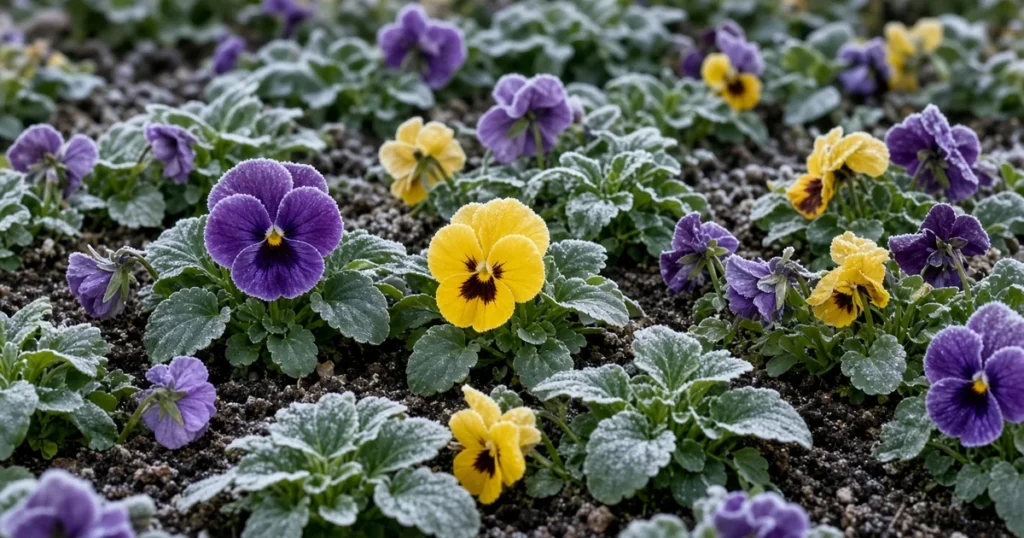
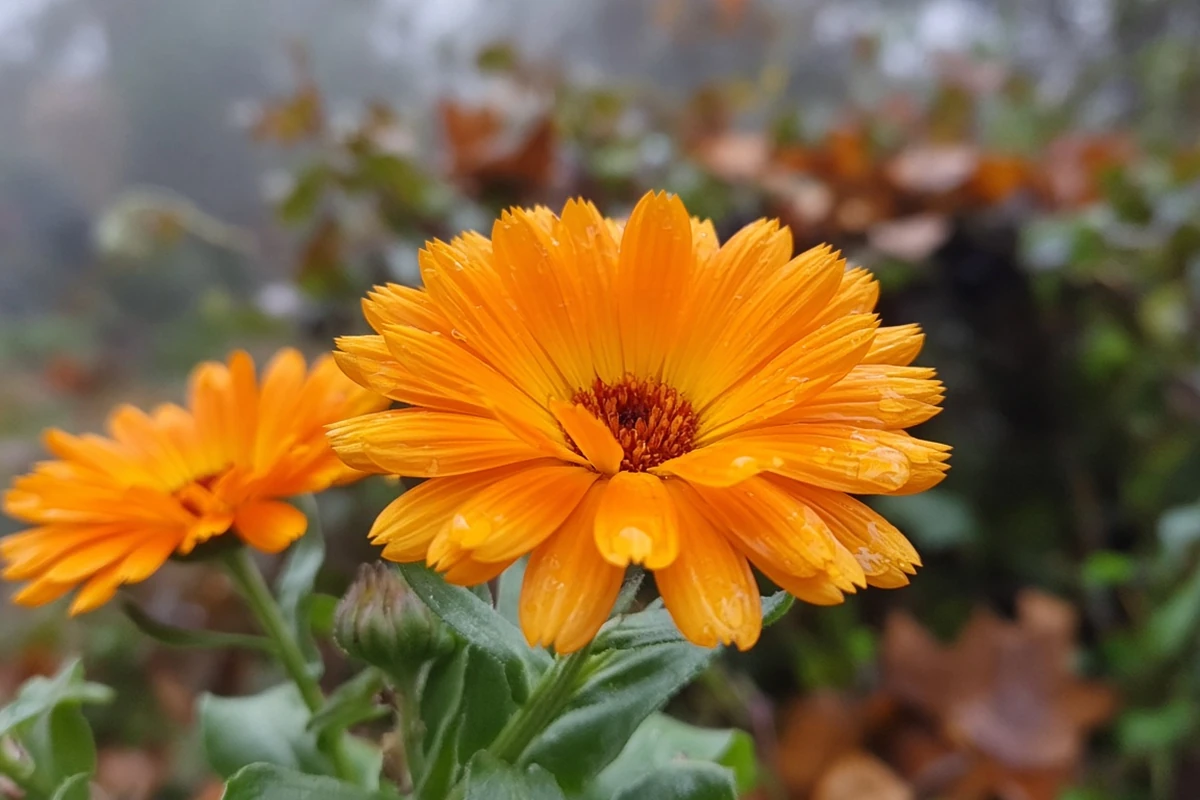
A hardy annual is an annual that handles cold. University of Illinois Extension notes hardy annuals can stand the most cold plus tolerate cold soil, cool air plus light frosts without damage. It lists pansy, snapdragon, sweet alyssum, calendula plus dusty miller among them. They can go out weeks before tender annuals.
The short answer
A hardy annual grows, flowers, sets seed plus dies within one season, yet it tolerates light frost. University of Illinois Extension notes these can usually be planted about four weeks before the frost free date. Penn State Extension notes hardy annuals withstand frost but may not look good once summer heat arrives.
How do hardy, half hardy plus tender annuals differ?
University of Illinois Extension groups annuals by how much cold they take. Clemson Cooperative Extension uses those same three groups.
| Type | Cold tolerance | Plant out |
|---|---|---|
| Hardy | Cold soil plus light frost | About four weeks before the frost free date |
| Half hardy | Cool soil but damaged by frost | About two weeks before the frost free date |
| Tender | No frost | On or after the frost free date |
Source: University of Illinois Extension.
Can hardy annuals be sown in fall?
Penn State Extension advises planting hardy annual seeds outdoors in fall, about six weeks before the first frost. Clemson Cooperative Extension marks larkspur, poppy, pot marigold plus stocks among annuals that can be sown as seed in fall. They sprout early plus flower in spring.
Are some annuals really perennials?
Yes. University of Missouri Extension notes some plants used as annuals are herbaceous perennials that cannot survive the winter. University of Illinois Extension calls these tender perennials used as annuals. Penn State Extension notes pansies, snapdragons plus dusty miller may survive the cold.
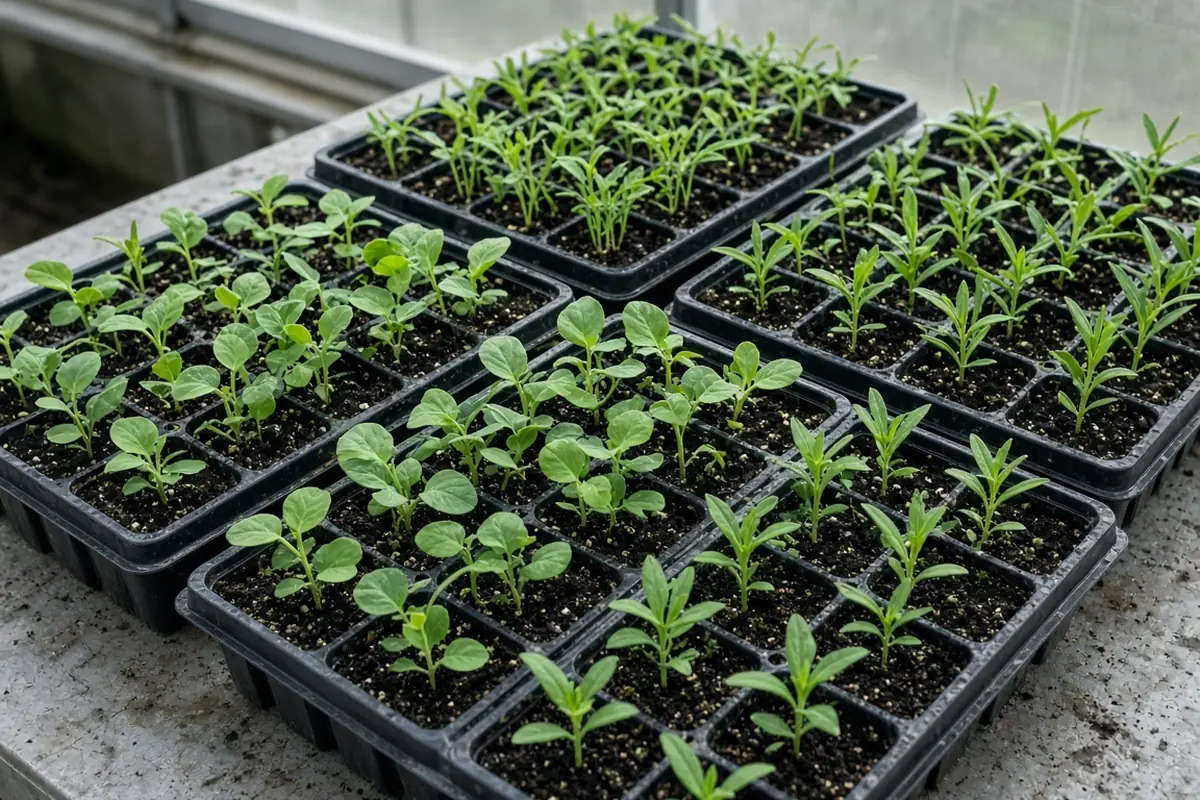
How to: step by step
- Find your area’s average frost free date.
- Choose hardy annuals for early color.
- Sow seed outdoors in fall or early spring.
- Harden off bought bedding plants.
- Plant out about four weeks before the frost free date.
- Pinch faded flowers to extend bloom.
Troubleshooting
Plants stalled after planting: a tender annual went into cold soil. Wait until soil warms.
Leaves blackened after a cold night: a half hardy or tender annual was frosted. Plant those after the frost free date.
Hardy annuals fading in summer: the heat has arrived. Swap them for tender annuals for summer color.
For related reading see life cycle of a marijuana plant, frost damage on cannabis plus garden microclimates for cannabis. Kind Seed Co also stocks cannabis seeds.
Sources
- Annuals, University of Illinois Extension
- Growing annuals, Clemson Cooperative Extension HGIC
- How hardy are your annuals?, Penn State Extension
- Flowering annuals: characteristics and culture (G6629), University of Missouri Extension
FAQ
Is a snapdragon a hardy annual?
Yes. University of Illinois Extension lists snapdragon among hardy annuals. Clemson Cooperative Extension also lists it with hardy plus half hardy annuals. Penn State Extension notes snapdragons may even survive the cold since many annuals are perennials from warmer zones. They often bloom again in fall as the weather cools.
What is a half hardy annual?
University of Illinois Extension notes half hardy annuals tolerate cool soil plus cool air but are damaged by frost. It advises planting them about two weeks before the frost free date. Clemson Cooperative Extension lists sweet alyssum plus dianthus as half hardy annuals planted in early spring for color.
Do hardy annuals reseed?
Some do. University of Illinois Extension notes certain annuals drop so much seed in fall that new plants come up the next spring around the same spot. It lists cleome, snapdragon, cosmos plus amaranth as examples. Leave a few flowers to set seed if you want them to return.
How is a hardy annual different from a perennial?
University of Missouri Extension notes a true annual completes its life cycle in one season. A perennial comes back year after year from its roots. Penn State Extension notes many plants grown as annuals are perennials in warmer climates that simply do not live through colder winters.
Do hardy annuals need hardening off?
Penn State Extension advises hardening off all annuals bought as bedding plants, hardy or tender. This moves them from gentle indoor conditions to outdoor conditions in steps. Set the plants outside for a few hours a day plus lengthen the time over about a week before planting.