
Vegetable Garden Size: How Much to Plant Per Person
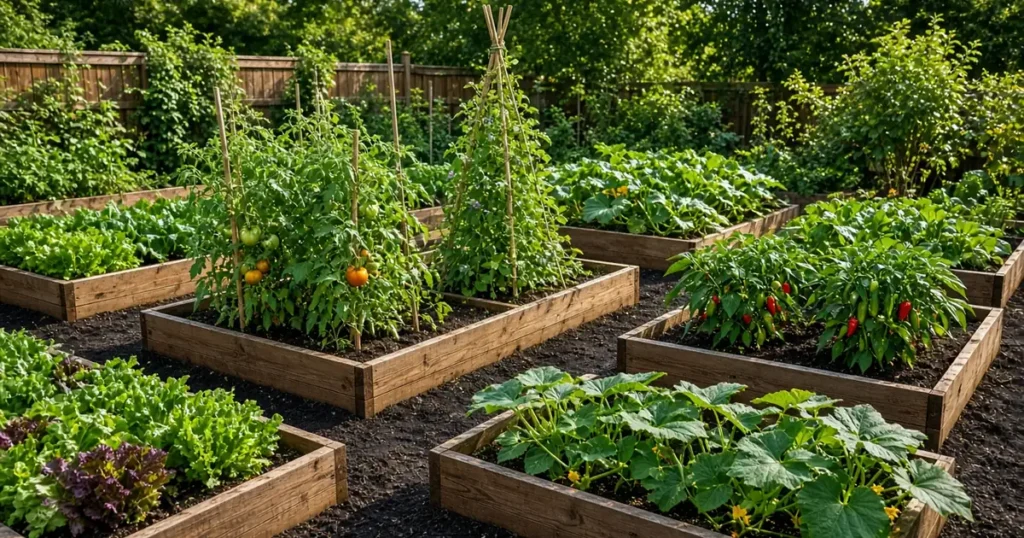
Vegetable garden size starts with how many people you feed plus what they like to eat. Kansas State University Research and Extension notes even a 100 square foot garden can produce a good portion of the vegetables for a family of four. Virginia Cooperative Extension lists how many plants to grow per person for each crop.
The short answer
Plan the garden around the people it feeds, the crops they eat plus the time you have. Kansas State University Research and Extension notes a 100 square foot garden can supply a good portion of vegetables for a family of four. Grow more of a crop if you plan to can or freeze it.

How much should you plant per person?
Kansas State University Research and Extension lists row feet per person for common crops. Virginia Cooperative Extension lists plants per person based on expected yield.
| Crop | Row feet per person | Yield per 10 feet |
|---|---|---|
| Snap beans bush | 15 to 16 feet | 12 pounds |
| Tomatoes | 3 to 5 feet | 10 pounds |
| Peppers | 5 to 10 feet | 6 pounds |
| Leaf lettuce | 10 feet | 5 pounds |
Source: Kansas State University Research and Extension.
What changes the size you need?
Virginia Cooperative Extension notes the amount to plant depends on your vegetable preferences, the size of your garden plus the time you can give it. It notes the age, lifestyle plus cooking habits of your family also matter. Clemson Cooperative Extension adds days to maturity plus harvest window.
How can a small garden produce more?
Clemson Cooperative Extension notes fast maturing plus multi harvest crops increase productivity in limited space. It lists collards, spinach plus lettuce as fast crops you can pick for weeks. Virginia Cooperative Extension advises sowing multiple successions to extend the season.
How to: step by step
- Count the people the garden will feed.
- Note the crops they eat most.
- Look up row feet per person for each crop.
- Plan extra for canning or freezing.
- Plan successions for quick crops.
- Draw the plan to fit your space.
Troubleshooting
Too much of one crop at once: everything was planted on the same day. Sow smaller amounts a few weeks apart.
Too little space: the plan leans on slow single harvest crops. Swap in fast multi harvest crops such as lettuce or snap beans.
Garden too hard to manage: the plot is bigger than your time allows. Cut back to what you can tend.
For related reading see planning an outdoor cannabis garden layout, square foot gardening for cannabis plus raised beds for cannabis. Kind Seed Co also stocks cannabis seeds.
Sources
- Virginia’s home garden vegetable planting guide: dates and amounts to plant (426 331), Virginia Cooperative Extension
- Vegetable garden planting guide (MF315), Kansas State University Research and Extension
- How much and what to plant?, UC Master Gardener Program
- How much to grow: planning for year round garden productivity, Clemson Cooperative Extension HGIC
FAQ
How big should a first vegetable garden be?
Kansas State University Research and Extension notes even a 100 square foot garden can produce a good portion of the vegetables for a family of four. That is a bed about 10 by 10 feet. Start near that size plus grow the garden once you know how much time it takes.
Does family age change how much to plant?
Virginia Cooperative Extension notes the age, lifestyle plus cooking habits of your family influence how much of each vegetable to grow. A household that cooks at home most nights needs more than one that eats out often. Adjust the per person amounts to match how your family actually eats.
Does succession planting shrink the garden?
It can. Clemson Cooperative Extension notes succession planting plus seasonal planning support year round production. Virginia Cooperative Extension advises planting multiple successions to extend the cropping season. Reusing the same bed for a second crop gets more food from the same space.
Which crops give the most from a small space?
Clemson Cooperative Extension notes fast maturing plus multi harvest crops increase productivity. It notes squash, okra, peppers plus snap beans can be picked many times over several weeks. It lists arugula, mixed lettuce plus radish among fast maturing crops for small spaces.
How much extra should I plant for preserving?
Virginia Cooperative Extension notes you may want to grow more of a crop if you plan on canning or freezing. University of California Agriculture and Natural Resources advises planting enough to meet your needs for fresh, stored plus preserved supplies. Clemson Cooperative Extension notes extra harvests can be preserved or donated.


