What Is a Hilum? The Scar on a Bean Seed Explained
The short answer
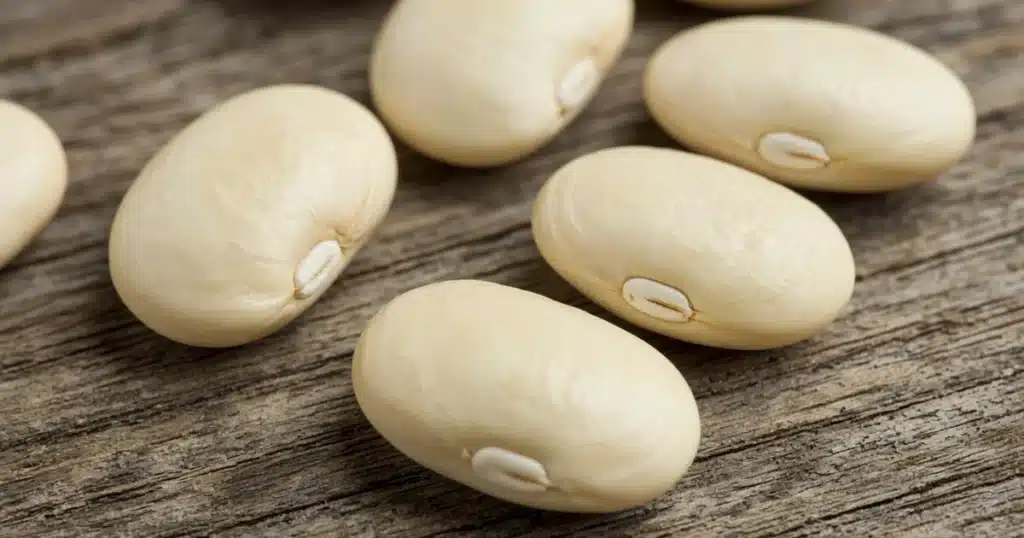
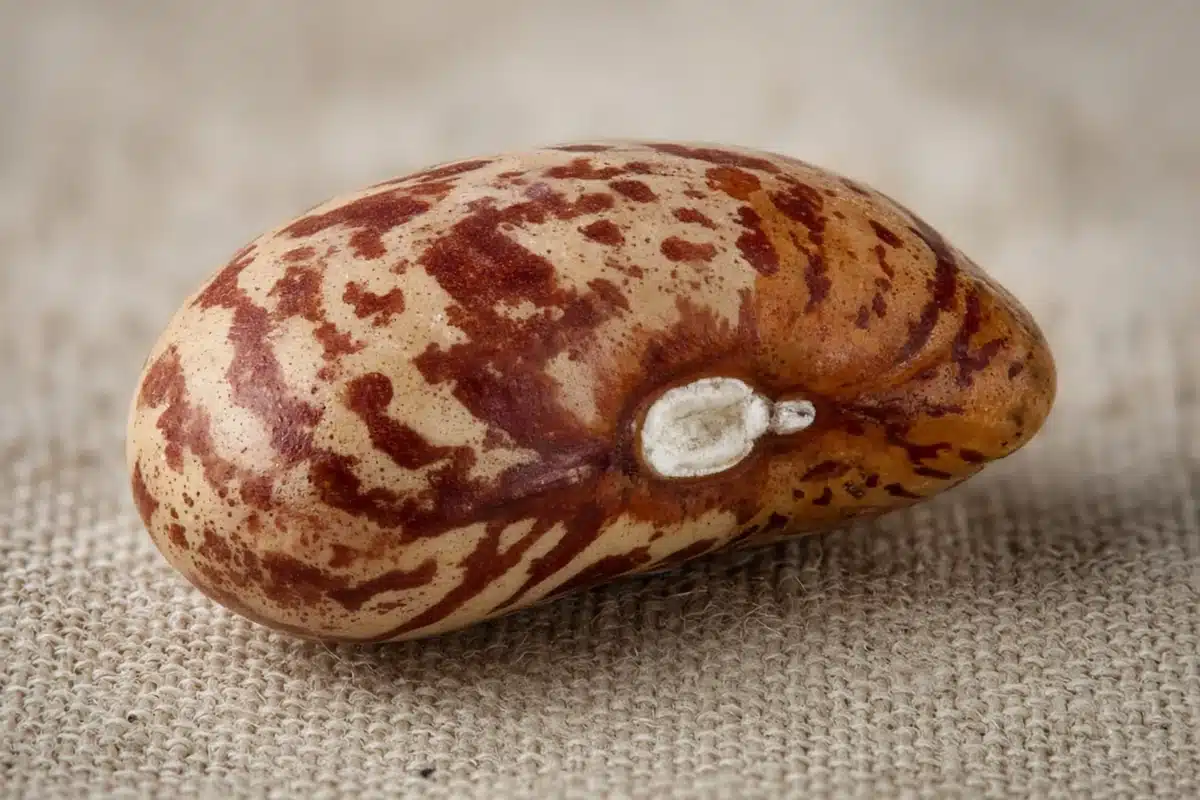
A hilum is the scar on the outside of a seed where it was once attached inside the fruit. Southern Illinois University plant anatomy notes describe it as the scar left when the funiculus, the seed stalk, breaks away. On a bean it is easy to find, and the micropyle sits right next to it.
What is a hilum?
Each seed starts as an ovule tied to the parent plant by a small stalk, the funiculus. When the seed matures and the stalk breaks off, it leaves a mark. Southern Illinois University notes define the hilum as the scar left when the seed stalk, or funiculus, breaks away.
An open botany textbook from LibreTexts gives a matching description. It says the hilum is a scar on the outside of the seed where it was attached to the endocarp, the inner layer of the fruit wall. In a bean, that fruit is the pod.
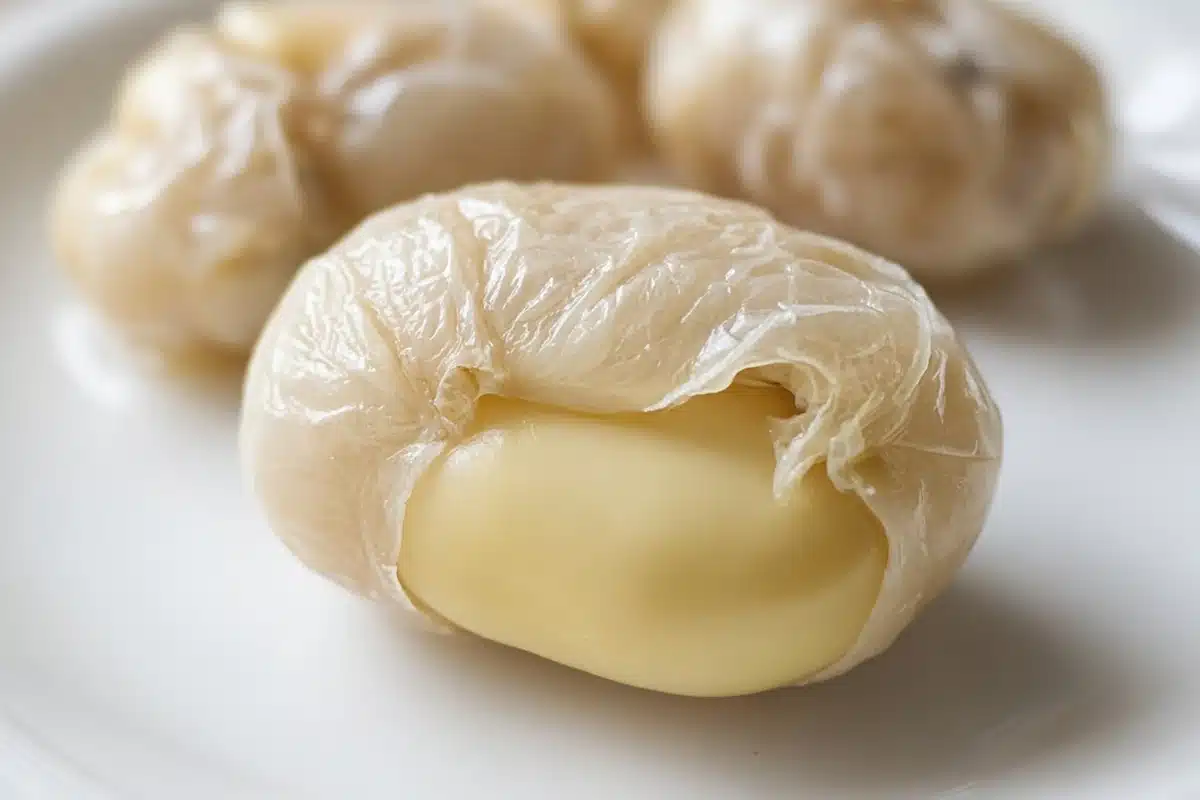
The hilum belongs to the seed coat. LibreTexts explains that the seed coat forms from the integument of the ovule. North Carolina State Extension notes that the seed coat surrounds the embryo and guards it from insects and moisture until germination.
For how these parts look on cannabis, see cannabis seed anatomy.
Where is the hilum on a bean seed?
On a bean, the hilum is the scar along the edge where the seed joined the pod. The Southern Illinois University notes point out that hilum shape varies among legumes. Some, like the seeds of Strophostyles, have a long linear hilum, and botanists use hilum position to help tell similar seeds apart.
The hilum has a job too. According to the same notes, in legumes it works as a one way valve. It opens when the air is dry to let moisture out but does not let moisture in, which is how legume seeds reach very dry interiors.
| Part | What it is | Where to look |
|---|---|---|
| Hilum | Scar where the seed stalk broke away | Edge where the bean joined the pod |
| Micropyle | Small pore where the pollen tube entered | Right next to the hilum |
| Raphe | Ridge left where the stalk joined the seed coat | Along the side of some seeds |
| Seed coat | Outer layer around the embryo | Covers the whole seed |
Sources: Southern Illinois University, LibreTexts Botany, UC Davis Arboretum.
How does the hilum relate to the micropyle?
They sit side by side. LibreTexts describes the micropyle as a small round structure next to the hilum where the pollen tube entered the ovule. A UC Davis Arboretum lesson on bean seeds calls the micropyle the weak spot in the seed coat that lets the root push through.
Some seeds also show a raphe. The Southern Illinois University notes explain that in certain ovules the stalk is fused along the side of the seed coat, so a ridge called the raphe remains after the seed forms.
How to: step by step
- Pick a large bean seed, such as a lima or kidney bean.
- Find the scar along the edge where it joined the pod. That is the hilum.
- Look beside it for the tiny micropyle.
- Soak a few beans for a few hours, as the UC Davis lesson suggests.
- Peel off the softened seed coat.
- Split the bean to see the cotyledons and the small embryo.
- Compare seeds from several bean types and note how hilum shape varies.
North Carolina State Extension says that during germination water is drawn in through the seed coat and the radicle is the first part to appear. For germination steps, see how to germinate cannabis seeds.
Troubleshooting
Cannot find the hilum: small seed. Use a large bean, where the scar shows.
Seed coat won’t peel: dry seed. Soak for a few hours first.
Cannot see the micropyle: it is tiny. Look right next to the hilum with a hand lens.
Bean falls apart when split: that is normal. The two halves are the cotyledons, the food storage part of the seed.
Small scar, big clue
The hilum tells you where a seed was connected to its parent plant, and it points you to the micropyle next door. Close looks at seed surfaces also help when sorting seeds. See what do good cannabis seeds look like. The Kind Seed Co blog has more seed basics.
Sources
- Lecture 25 seeds, Southern Illinois University plant anatomy
- Mature embryos and seed structure, LibreTexts Botany
- A coat for a seed, UC Davis Arboretum
- Extension Gardener Handbook botany, North Carolina State Extension
FAQ
Do all seeds have a hilum?
Seeds form from ovules attached to the parent plant by a stalk called the funiculus. Southern Illinois University notes define the hilum as the scar left when that stalk breaks away from the seed. Its size and shape vary, so it is far easier to see on a large bean than on tiny seeds.
What does the hilum do?
Southern Illinois University plant anatomy notes say that in legumes the hilum works as a one way valve. It opens in dry air to let moisture out of the seed but does not let moisture in. This helps legume seeds reach very dry interiors before they are stored or sown.
Is the hilum the same as the micropyle?
No. LibreTexts Botany describes the hilum as the scar where the seed was attached and the micropyle as a small round structure next to it where the pollen tube entered. The UC Davis Arboretum calls the micropyle the weak spot that lets the root push through.
Why does hilum shape vary?
Southern Illinois University notes say hilum shape varies among legumes, and some seeds have a long linear hilum. Botanists use the position and shape of the hilum to help tell apart seeds that look alike. Compare several bean types to see the range.
How do I see inside a bean seed?
The UC Davis Arboretum lesson suggests soaking beans for a few hours so they are easy to take apart. Peel the softened seed coat, then split the bean. You will see the cotyledons, which store food, and the small embryo that becomes the new plant.