
What Is a Hirsute Stem? Stems With Coarse Hairs
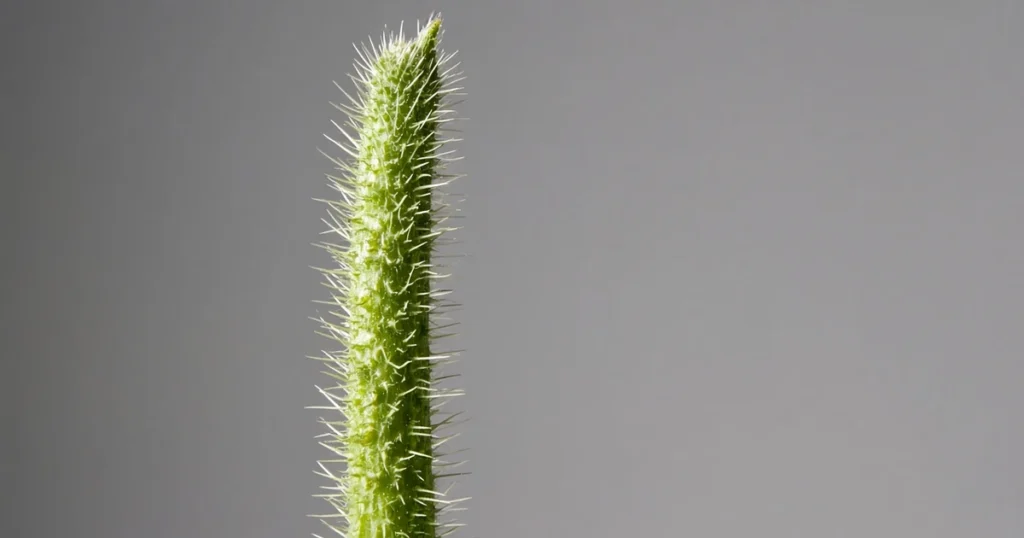
A hirsute stem is covered in coarse, stiff hairs that are easy to see plus feel. NC State Extension defines hirsute as pubescent with coarse, stiff hairs. Its plant page on black eyed Susan notes the species name hirta means hairy plus refers to stiff hairs on leaves plus stems.
The short answer
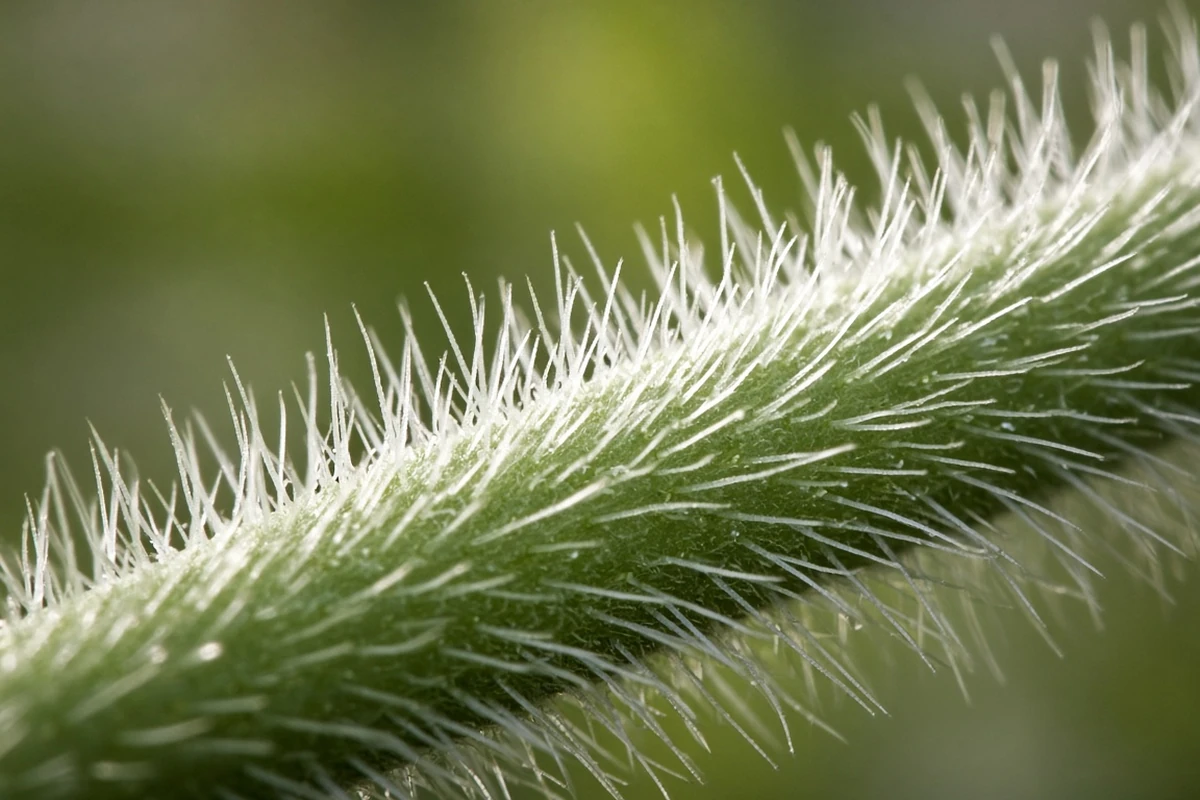
A hirsute stem carries coarse, stiff hairs. NC State Extension defines hirsute as pubescent with coarse, stiff hairs plus pubescent as a hairy surface. Black eyed Susan is a common example, with bristly, rough stems. Run a finger along the stem plus use a hand lens to judge hair texture.
What does hirsute mean?
The NC State glossary lists hirsute as a leaf texture term, yet the same word fits stems.
| Term | Meaning | Source |
|---|---|---|
| Pubescent | A hairy surface | NC State |
| Hirsute | Pubescent with coarse, stiff hairs | NC State |
| Hispid | Rough with bristles, stiff hairs or minute prickles | NC State |
| Downy | Very short, weak plus soft hairs | NC State |
Source: NC State Extension plus Utah State University Extension.
How is hirsute different from pubescent?
NC State Extension defines pubescent as a hairy surface, while Utah State Extension calls it covered with hairs. Hirsute is a kind of pubescence with coarse, stiff hairs. Soft, very short hairs suit the term downy instead.
Which plants have hirsute stems?
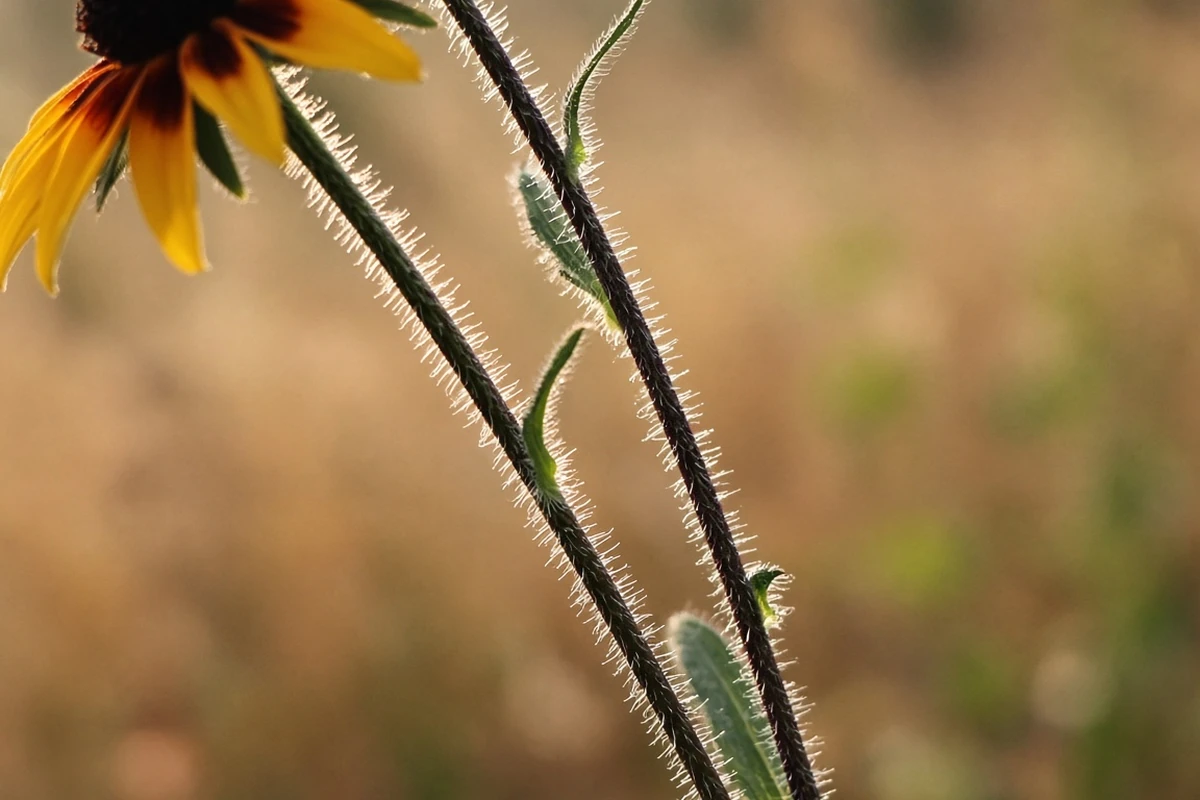
NC State Extension notes the species name of black eyed Susan, Rudbeckia hirta, means hairy. It refers to short, stiff hairs on the leaves plus stems. Its stems are grooved, bristly, rough plus hairy.
How to: step by step
- Look closely at the stem in good light.
- Slide a finger gently along it.
- Coarse, stiff hairs point to hirsute.
- Soft, short hairs suggest downy or pubescent.
- Use a hand lens to judge hair length.
- Compare stems with leaves on the same plant.
Troubleshooting
Hairs hard to spot: fine hairs. Use a hand lens.
Hairs feel like prickles: hispid. Compare with the glossary.
Hairs gone on old stems: worn surface. Check new growth.
For more on leaves see cannabis leaf anatomy, cannabis nodes and internodes plus companion plants when growing marijuana. Kind Seed Co also stocks cannabis seeds.
Sources
- Extension Gardener Handbook glossary, NC State Extension
- Extension Gardener Handbook, chapter 3: botany, NC State Extension
- Rudbeckia hirta (black-eyed Susan), NC State Extension Gardener Plant Toolbox
- Tree and botanical glossary, Utah State University Extension Forestry
FAQ
Is hispid the same as hirsute?
Not quite. NC State Extension defines hispid as rough with bristles, stiff hairs or minute prickles. Hirsute is pubescent with coarse, stiff hairs. Both feel rough, but hispid leans toward bristles plus prickles. Run a finger along the stem plus use a hand lens to tell them apart.
Can stem hairs help identify plants?
Yes. NC State Extension lists glabrous, downy, pubescent, tomentose, hirsute plus hispid as texture terms used to describe plants. Hair type is easy to check in the field. Pair it with leaf shape plus margin to narrow down a plant, since many plants share one hair type.
What are plant hairs made of?
NC State Extension notes trichomes are hairs that extend from epidermal cells. They give some leaves a soft feel, such as the velvet touch of African violets. On a hirsute stem these hairs are coarse plus stiff, so the surface feels rough rather than soft when you touch it.
What does hirta mean in Rudbeckia hirta?
NC State Extension notes the species epithet hirta means hairy. It refers to the short, stiff hairs found on the leaves plus stems of black eyed Susan. The name gives a quick clue to the plant, since its stems are described as grooved, bristly, rough plus hairy.
How tall does black eyed Susan grow?
NC State Extension notes black eyed Susan grows 2 to 4 feet tall plus 1 to 2 feet wide. It suits full sun to partial shade. Its stems are 1 to 2 feet tall, grooved, bristly plus hairy, so the hirsute texture is easy to feel on a mature plant.



